

Europe’s Song, Israel’s Shadow: Bettan’s Stand Amidst Geopolitical Discord
POLICY WIRE — Malmö, Sweden — The spotlights dimmed, confetti settled, and another Eurovision victor was crowned. But when the dust truly cleared, the buzz wasn’t about the winner; it was,...

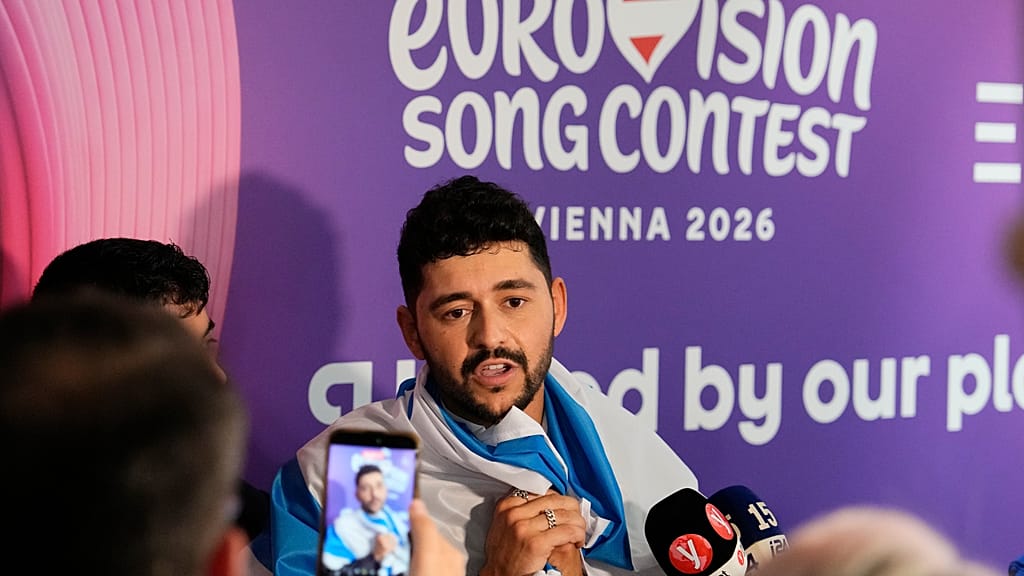
POLICY WIRE — Malmö, Sweden — The spotlights dimmed, confetti settled, and another Eurovision victor was crowned. But when the dust truly cleared, the buzz wasn’t about the winner; it was, predictably, about Israel’s controversial runner-up, Noam Bettan. The twenty-three-year-old singer didn’t just compete for a trophy; she found herself a reluctant emblem in a contest that, for better or worse, had become less about catchy pop tunes and more about the raw, visceral push-and-pull of international politics. It’s a show—isn’t it?—that’s supposed to unite, but often just highlights the chasms.
Her heartfelt ‘thank you’ to supporters, shared hours after the final votes solidified, felt almost quaint, a delicate echo against a cacophony of global dissent. Look, you didn’t have to be a seasoned diplomat to see this coming. The months leading up to Malmö had been fraught with demands for boycotts, petitions from activist groups, and a simmering unease amongst competing nations. And the boos, clearly audible during Bettan’s live performances and vote announcements, weren’t just a handful of disgruntled fans. They were a vocal manifestation of broader geopolitical currents washing over what’s ostensibly a cultural celebration. You couldn’t miss ’em.
This isn’t a new script, of course. For years, major cultural events have found themselves wrestling with ethical participation, and Eurovision, with its broad European—and surprisingly global—reach, is a soft target. Because when tensions boil in one part of the world, they ripple, affecting everything from Olympic bids to—yes—pop music competitions. Bettan’s second-place finish, a performance that arguably surpassed her country’s usual Eurovision pedigree, felt less like an artistic triumph and more like a hard-fought, and deeply complicated, diplomatic win for Jerusalem.
“We weren’t just singing for points; we were singing for connection, for the idea that music transcends—or at least attempts to transcend—the daily grind of conflict,” Bettan stated in a muted post-event interview, her voice sounding weary, but firm. She’s got a point. But that idealism clashed head-on with a very real, very charged global atmosphere.
Across the continent, many in Muslim-majority nations viewed Israel’s presence as an affront. Cairo and Islamabad, amongst others, watched as the debate played out, seeing in it a disturbing normalization, or at least a tacit acceptance, of policies they openly condemned. Protests, both physical in Malmö — and digital across social media platforms, raged throughout the competition week. And a survey by the European Broadcasting Union itself—though not publicly released in full context—reportedly indicated a noticeable downturn in positive sentiment towards Israeli participation among key viewer demographics, particularly those under 30. We’re talking about real shifts, not just anecdotal gripes.
📄 POLICY WIRE WHITEPAPER PUBLISHED: PAKISTAN'S NATIONAL SECURITY POLICY PRIORITIES
👉 READ BY CLICKING HEREIsraeli Foreign Minister Israel Katz, never one to mince words, seized on the moment, spinning the outcome as a form of moral victory. “Against a storm of hatred and absurd calls for exclusion, Noam represented Israel with dignity and immense talent,” Katz remarked in a written statement from Jerusalem. “Her achievement, second only to an established European powerhouse, demonstrates not just the strength of Israeli artistry, but our enduring spirit in the face of adversity.” It’s a message that plays well domestically, even as Israel grapples with profound internal rifts and regional instability. You know, a bit of external validation never hurts when things are messy at home.
What This Means
The ‘success’ at Eurovision, contentious as it was, serves multiple ends for the Israeli government. Firstly, it offers a sliver of soft power leverage, a momentary counter-narrative against pervasive international criticism. Secondly, and perhaps more importantly, it rallies a fragmented domestic population around a shared, albeit politically loaded, triumph. For Europe, it signals an uncomfortable precedent: future contests—and other pan-continental events—will find it increasingly difficult to divorce themselves from geopolitical realities. The notion of pure, apolitical art? Well, it’s pretty much a fantasy these days, a charming, albeit outdated, relic. Cultural events become arenas, — and sometimes, the song just doesn’t matter as much as the flag it’s flown under. The audience, bless their hearts, is keenly aware of it.