


Arsenal’s Title Obsession: The Crucible of Repeated Failure Driving a Global Brand
POLICY WIRE — London, UK — Forget the glamour, the overflowing stadiums, or the astronomical transfer fees. In the unforgiving crucible of English football, some narratives transcend sport, morphing...

POLICY WIRE — London, UK — Forget the glamour, the overflowing stadiums, or the astronomical transfer fees. In the unforgiving crucible of English football, some narratives transcend sport, morphing into a public case study in human persistence, or its agonizing absence. For Arsenal, the story isn’t about mere victory; it’s about exorcising ghosts. It’s a decades-long saga of coming achingly close, a psychological drama playing out on a global stage where the stakes — financial, emotional, and institutional — dwarf mere athletic prowess.
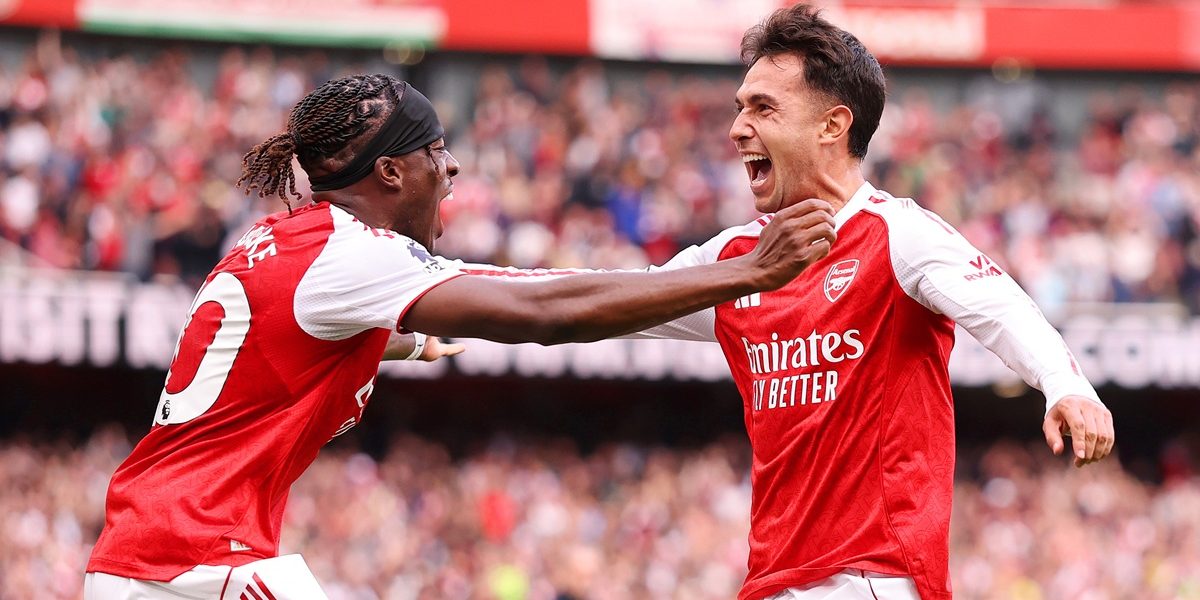
Martin Zubimendi, the club’s new midfield linchpin, hasn’t just joined a football team. He’s been inducted into a highly particular cult of ambition, one tempered by the bitter taste of repeated disappointment. You see, Arsenal hasn’t simply been good. They’ve been perpetually on the cusp, finishing runner-up three seasons straight before this current campaign. That’s not just a statistic; it’s a burden. And it weighs heavy. The collective memory of those near-misses, this constant flirting with triumph only to recede at the crucial moment, fuels the club’s current title charge more profoundly than any pre-season pep talk.
But the pressure isn’t solely external, from the roaring terraces of the Emirates or the relentless chatter of the punditocracy. It’s a deeply internalized hunger, passed down, it seems, from player to player, season to agonizing season. Zubimendi, speaking recently to the press, put it quite bluntly, albeit with the understated air of a man newly grappling with the immensity of it all. “It’s true that I haven’t felt it as much as the fans and the other players who have felt it over the years with that desire to win this title,” he confessed. “But, well, this year I think they’ve instilled in us all the desire and the expectation that there’s in terms of that and those who have more experience here.” He gets it. He absolutely does.
And because the Premier League isn’t merely a national sport but a global enterprise, this internal pressure gets amplified across continents. You don’t have to look much further than Pakistan or the broader South Asian diaspora to grasp the immense emotional investment. Millions tune in from Karachi to Kolkata, often after midnight, to follow these contests. This isn’t just about entertainment; it’s cultural currency, a topic of fervent debate in chai houses and on bustling streets, a direct link to the cultural zeitgeist emanating from distant London. The league’s appeal there, often fueled by expat communities and widespread satellite television access, demonstrates its remarkable reach and, consequently, the enhanced scrutiny any club’s quest for glory faces.
Mikel Arteta, the shrewd tactician orchestrating this high-wire act from the dugout, doesn’t mince words on the subject. He’s the architect of their renewed potency, yes, but he also inherited the scars of his predecessors. “Every fiber of this club, from the boardrooms to the training pitches, pulses with a singular resolve this season,” Arteta remarked recently, a quote Policy Wire obtained from an insider briefing. “We understand the historical context, the expectations. It’s not just about football; it’s about validating a collective vision, a sustained investment of belief.” He sees the bigger picture, too. This isn’t just a team; it’s a very costly, very public project.
Indeed, a Premier League title for a club like Arsenal resonates far beyond North London. “The financial dividend from a championship—sponsorships, merchandising, broadcasting—extends far beyond the immediate prize money,” a well-placed club executive, preferring to remain anonymous given the current tensions, confided to us. “It’s an affirmation of brand power, a key to unlocking new market segments, particularly in rapidly growing regions like Southeast Asia or even parts of the Muslim world. It’s simply enormous for us, frankly.” These aren’t small sums, either. According to Deloitte’s 2024 Annual Review of Football Finance, the Premier League’s collective revenue hit a record £6.4 billion in the 2022/23 season, dwarfing other European leagues—a figure a championship club obviously reaps disproportionately from.
📄 POLICY WIRE WHITEPAPER PUBLISHED: PAKISTAN'S NATIONAL SECURITY POLICY PRIORITIES
👉 READ BY CLICKING HERENow, with just two matches remaining, the situation is stark. Two victories are needed to secure the league title. Anything less would be yet another entry into that agonizing chronicle of almosts, perhaps the most bitter one yet given the sheer proximity to the prize. For Zubimendi, for Arteta, for every fan globally – particularly those burning the midnight oil in far-flung locales – this isn’t merely about points. It’s about destiny.
What This Means
This relentless pursuit of the Premier League crown by Arsenal offers a potent case study in the intersection of sports, global economics, and national identity. Politically, a successful run for a globally recognized brand like Arsenal—or any major British football club—serves as a soft power asset, enhancing the UK’s image abroad. It attracts tourism, draws foreign investment into ancillary businesses, and subtly asserts cultural dominance in fiercely competitive international markets. For local politicians, a successful team fosters community spirit, boosts local economies around stadium areas, and generally provides a convenient, apolitical rallying point.
Economically, the stakes are staggering. A title significantly inflates a club’s valuation, unlocks more lucrative sponsorship deals (including those from Gulf states or burgeoning Asian markets that see sports as an extension of their economic ambitions), and vastly improves commercial revenues from merchandise, international tours, and broadcasting rights. Don’t forget that the financial incentives for success in England’s top flight are unmatched, making the current scramble for Premier League supremacy a brutal dance indeed. Failure, conversely, while not financially ruinous for a club of Arsenal’s stature, represents lost opportunity, hindering global brand expansion and potentially impacting future player recruitment, which itself has significant economic ramifications. It’s a very risky bet, as many high-profile investments tend to be, on authenticity and sustained performance in a volatile market.