

Inflation’s Relentless Drumbeat: From Washington’s Podium to Your Grocery Cart
POLICY WIRE — Washington, D.C. — You don’t need an economist to tell you things feel pricey. Just try filling your shopping cart, or gassing up the SUV. The price tags — they’ve grown bolder, haven’t...

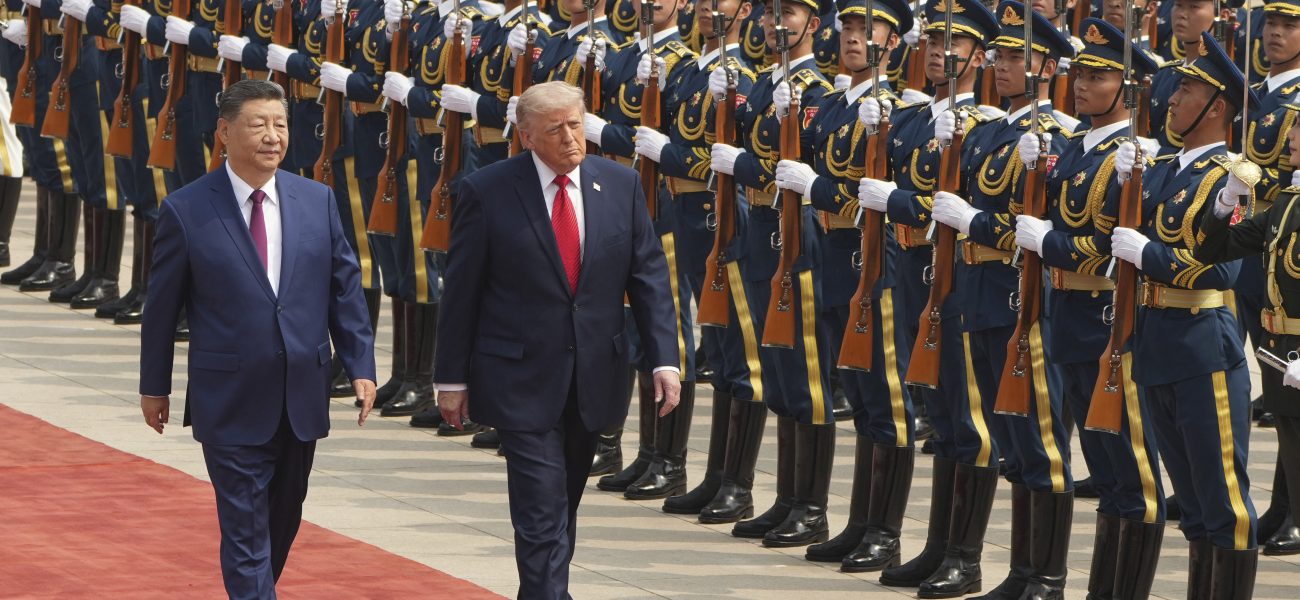
POLICY WIRE — Washington, D.C. — You don’t need an economist to tell you things feel pricey. Just try filling your shopping cart, or gassing up the SUV. The price tags — they’ve grown bolder, haven’t they? And while the political classes might still debate the finer points of fiscal policy, working Americans already understand inflation in their bones, a nagging ache that makes every pay stub feel a little lighter, every purchase a touch heavier. Forget the pomp and circumstance of foreign tours; the real conversation is happening at the kitchen table, over a rising grocery bill.
It’s an inconvenient truth, this relentless erosion of purchasing power, and it certainly colors the chatter surrounding a potential return to the Oval Office for former President Donald Trump. His tenure, though remembered by some for robust growth, also flirted with—and at times delivered—significant economic turbulence. Many are now steeling themselves for a replay, eyeing an economy already wrestling with persistent price hikes. But hey, at least we know what to expect, right?
Because let’s be honest, the economic discourse around inflation can feel as abstract as quantum physics for most folks. What they grasp is the dollar stretching less — and less, not the intricate dance of supply chains and monetary policy. This everyday reality frames the stakes. A shift in the White House isn’t just about who sits behind the Resolute Desk; it’s about who pays more for their bread, their fuel, their kids’ school supplies.
“They say we can’t bring back manufacturing, they say tariffs hurt people. Nonsense!” former President Trump was recently quoted, likely during a rally, blasting his opponents’ economic narrative. “We had the best economy ever, — and we’ll have it again. Inflation? That’s their fault. Not mine.” His rhetoric, as ever, cuts clean, assigns blame, — and leans into the promise of a glorious past. It’s a message that resonates with a segment of the populace longing for an imagined simpler time.
But others see a more perilous path. “Economic stability demands careful stewardship, not a wrecking ball of unpredictable trade wars,” countered Senator Elizabeth Warren (D-MA), known for her sharp critique of corporate power and deregulation. “Tariffs are a tax on the American consumer, plain — and simple. We’ve seen this movie before, and it doesn’t end well for working families.” It’s a clash of ideologies, certainly, but also a stark warning from those who believe history might just be about to rhyme. Her statement pulls no punches, reflecting concerns that broad protectionist measures could very well boomerang on domestic pockets.
And those economic ripple effects don’t just stay neatly within America’s borders, naturally. Look to the markets of South Asia, for instance. A surge in U.S. inflation, spurred by protectionist trade policies or an aggressive expansion of fiscal spending, invariably puts pressure on global commodity prices. Developing economies like Pakistan, already battling their own domestic inflation—with a long history of economic instability—become acutely vulnerable. Imported goods, from oil to machinery, suddenly cost more, draining precious foreign exchange reserves. That, of course, isn’t some abstract concern for a technocrat in Islamabad; it’s higher prices for necessities, making life tougher for millions already treading water. According to data from the World Bank, Pakistan’s annual inflation rate has repeatedly exceeded 20% in recent years, making it highly sensitive to external price shocks.
Contractions too, are coming home to roost in ways you wouldn’t expect. If the American consumer starts holding onto their wallet tighter, if the Fed hikes interest rates to cool a superheated economy, that impacts global capital flows, affecting everyone from the burgeoning tech sector in India to the textile manufacturers in Bangladesh. Nobody’s an island in this economy, that’s for darn sure.
📄 POLICY WIRE WHITEPAPER PUBLISHED: PAKISTAN'S NATIONAL SECURITY POLICY PRIORITIES
👉 READ BY CLICKING HEREWhat This Means
The possibility of another Trump presidency carries distinct economic implications, not just for the U.S. but globally. Domestically, his proposed policies, particularly expansive tariffs and potential federal spending, could act as an inflationary accelerant, making that grocery bill even steeper. This isn’t just theory; previous rounds of tariffs often saw import prices climb, passed directly onto consumers.
Politically, the fight over inflation will dominate the narrative. Both parties will be forced to explain their approach, attempting to either shoulder or deflect blame for rising costs. The administration will likely emphasize job creation and ‘fair’ trade, while opponents will focus on consumer burdens and economic instability. And let’s be real: whoever ends up in charge, it’s always easier to blame some other guy for the mess, isn’t it?
Globally, the consequences are profound. A protectionist U.S. might trigger retaliatory tariffs from major trading partners, sparking wider trade wars. That means higher costs and decreased trade volumes across the board, affecting developing nations reliant on stable markets and affordable imports. Nations already struggling—like those across South Asia and the Muslim world—would find their economic planning, already precarious, thrown into deeper uncertainty. Because the global economy is a giant, intricate machine; pull one lever hard enough in Washington, and everyone feels the vibration.
This isn’t merely political maneuvering; it’s a stark preview of potential pocketbook pressures for Americans and a significant reshaping of global economic alliances. It’s high-stakes stuff, really. We’re talking about direct impact, not just theoretical projections. The world is interconnected, after all, and America’s economic choices invariably echo far beyond its own shores.