

Netflix’s New Combat Arena: Ngannou Delivers, But Are ‘Legacy’ Fights Just Spectacles?
POLICY WIRE — Los Angeles, California — Forget the predictable opening, the customary fanfare about a punch thrown in the heat of a heavyweight contest. The real story isn’t just about Francis...

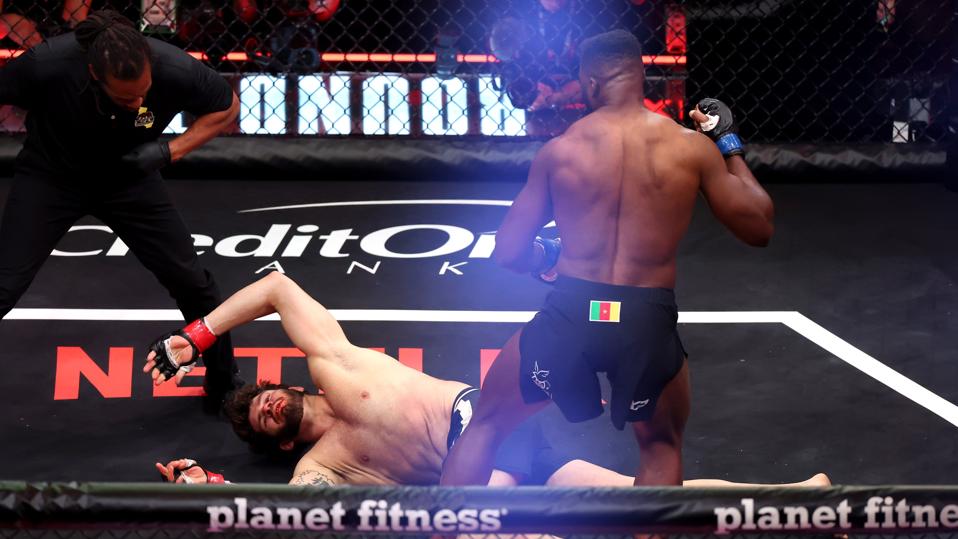
POLICY WIRE — Los Angeles, California — Forget the predictable opening, the customary fanfare about a punch thrown in the heat of a heavyweight contest. The real story isn’t just about Francis Ngannou’s thunderous, first-round knockout over Philipe Lins at MVP MMA 1. Not entirely. No, the actual tale here, the one quietly unfolding beneath the flashbulbs and Netflix logos, is about the accelerating, sometimes brutal, shift in how we consume sport—and who profits from it.
It was never simply an MMA fight. It was a live-streamed, global declaration. Netflix, the behemoth once content with binge-worthy dramas, plunged headfirst into the high-stakes world of live combat sports. And boy, did they need a hero. Or, more accurately, a highlight reel. Ngannou, the Cameroonian ‘Predator,’ delivered. He put Lins to sleep with a right hand that could’ve rattled the Intuit Dome’s foundations on Saturday, May 16, 2026. The ref, Herb Dean, barely had time to blink before waving it off.
This wasn’t some backroom brawl. This was the former UFC heavyweight king — a legitimate, terrifying force — making short work of an opponent for a company now trying to redefine martial arts. And for a platform that has staked an increasing amount of its colossal budget on proving it can hang with traditional broadcasters in the live sports arena. Just look at the figures: Netflix is projected to spend close to $17 billion on content in 2024 alone, a growing slice of that pie now explicitly earmarked for events designed to grab — and hold — eyeballs in real-time, per their quarterly earnings reports. It’s an expensive gamble, isn’t it?
The night was designed as a nostalgic spectacle, with Ronda Rousey and Gina Carano topping a card stuffed with aging legends. Many expected Ngannou to win, sure, but not with such visceral, unadulterated force. After his narrow decision loss to Tyson Fury in boxing back in ’23, and a more decisive stoppage by Anthony Joshua in ’24, the murmurs started. Was his MMA ferocity diminished? Was he just a boxing curiosity now? He squashed those doubts in approximately one minute.
“Francis isn’t just a fighter; he’s an international icon,” gushed an anonymous Netflix executive, careful to remain off the record given the highly competitive market. “This isn’t just about sports. It’s about cultural impact, about connecting with audiences from Los Angeles to Lahore. We saw unprecedented interest globally for this fight, a clear indicator that our investment strategy is hitting its mark.”
And that global connection? It stretches further than Hollywood’s gates. In places like Pakistan and across the broader Muslim world, where streaming subscriptions are skyrocketing and access to global media is expanding rapidly, a figure like Ngannou resonates deeply. His journey from sand quarries in Cameroon to the apex of combat sports offers a narrative of perseverance and triumph against steep odds—a story that speaks volumes, transcends language, and inspires millions beyond Western viewership strongholds. But will Netflix translate that inspiration into loyalty?
📄 POLICY WIRE WHITEPAPER PUBLISHED: PAKISTAN'S NATIONAL SECURITY POLICY PRIORITIES
👉 READ BY CLICKING HEREFor MVP, the fledgling promotion behind this event, Ngannou’s performance was nothing short of a godsend. He isn’t merely a main eventer; he’s the bedrock. “We don’t just buy fighters; we invest in disruptors, in people who understand the new economy of combat sports,” stated Nakisa Bidarian, co-founder of MVP, with a customary air of unshakeable confidence. “Francis’s KO proves that elite-level MMA, showcased on a platform like Netflix, can compete with—and maybe even surpass—traditional sports broadcasting. We’re building something here that’s bigger than a single night; we’re building the future, plain — and simple.”
Because, really, when you cut through the noise, what transpired was vintage Ngannou, delivering precisely what MVP — and more importantly, Netflix — needed. The kind of raw, undeniable power that generates endless highlight clips and justifies those massive content expenditures. He’s MVP’s anchor in a sea of aging icons, proving the old adage: money talks, but a knockout screams.
What This Means
This Ngannou knockout isn’t just another win on his record; it’s a significant marker in the ongoing battle for live sports supremacy in the streaming era. For Netflix, it validates their aggressive push into live content, demonstrating that they can indeed produce the sort of visceral, must-see moments that define traditional pay-per-view. It also solidifies their approach of leveraging established names — often aging ones — for immediate impact, betting on nostalgia and built-in fanbases to attract subscribers. But this strategy isn’t without its own set of potential long-term pitfalls.
The heavy reliance on “legacy” fighters like Rousey, Carano, Nate Diaz, and Mike Perry might generate initial buzz, but it doesn’t necessarily build a sustainable ecosystem for nurturing new talent. Ngannou stands as a crucial exception, still very much in his athletic prime for a heavyweight. The event highlighted a stark contrast: established, but fading, legends mostly served as cautionary tales (two former UFC heavyweight champions got stopped that night), while Ngannou, the true generational talent, reminded everyone of his enduring, terrifying power. Policy-wise, this signals a further blurring of lines between sports promotions and entertainment platforms, potentially concentrating power and changing compensation models for athletes in ways yet fully understood. It’s a calculated gamble on attention spans in an increasingly fractured media landscape, and right now, Netflix feels pretty good about its hand.