


Golden Pin, Iron Resolve: Post-War Britain Finds Hope in Working-Class Derby Day
POLICY WIRE — London, UK — May 1919 wasn’t just a month on the calendar; it was a precarious pause. Across Britain, the collective exhale after four years of industrial-scale slaughter left...

POLICY WIRE — London, UK — May 1919 wasn’t just a month on the calendar; it was a precarious pause. Across Britain, the collective exhale after four years of industrial-scale slaughter left communities gasping for anything resembling routine, however trivial. Amidst the solemn memorials and the grim accounting of shattered lives, football—that most working-class of distractions—found itself elevated to an unexpected role: an unofficial conduit for national catharsis. Even a modest exhibition match between fierce North East rivals Sunderland and Newcastle United could, and did, hold more weight than a mere ball-kick.
It wasn’t the first post-Armistice fixture, nor would it be the last, but the derby played on May 17, 1919, at Sunderland’s Roker Park offered a strangely potent snapshot of a nation trying to patch itself together. It wasn’t about silverware; it was about sheer existence, about the humdrum normalcy that had been obliterated for so long. But Bob Kyle, the Sunderland club secretary, knew damn well that people still wanted something tangible to cheer for—a prize, a spectacle. So he cooked up an idea: gold scarf pins for the winning side.
That’s right. After years of wartime austerity, rationing, and a national mood steeped in mourning, the FA actually granted permission for gold trinkets to be bestowed upon professional athletes, as long as the expense didn’t burden the ticket prices. But Kyle had already secured that. He’d appealed to Samuel Storey, a local magnate, former MP, and publishing titan behind the Sunderland Echo, who coughed up £15 (a tidy sum for the day) without so much as a quibble. “One doesn’t merely rebuild industries,” Storey is reported to have remarked later, his usual pragmatism laced with a rare sentimentality, “one rebuilds spirits. And if a few gold pins—however small—can galvanize the return of communal joy, then that, my friend, is a shrewd investment in the human capital of this town.”
Because that’s what it had become: an investment in morale. A modest £534 was raised that day for the Footballers’ National War Fund, a sum meticulously recorded in the Echo, a publication still acting as the civic conscience of Sunderland. But the real value was less financial, more psychological. And what a game they got! Mordue netted twice for Sunderland, including a late winner after Newcastle clawed back a two-goal deficit. The terraces, packed with some 16,000 souls, roared their approval, their red-and-white scarves waving like flags of defiant optimism.
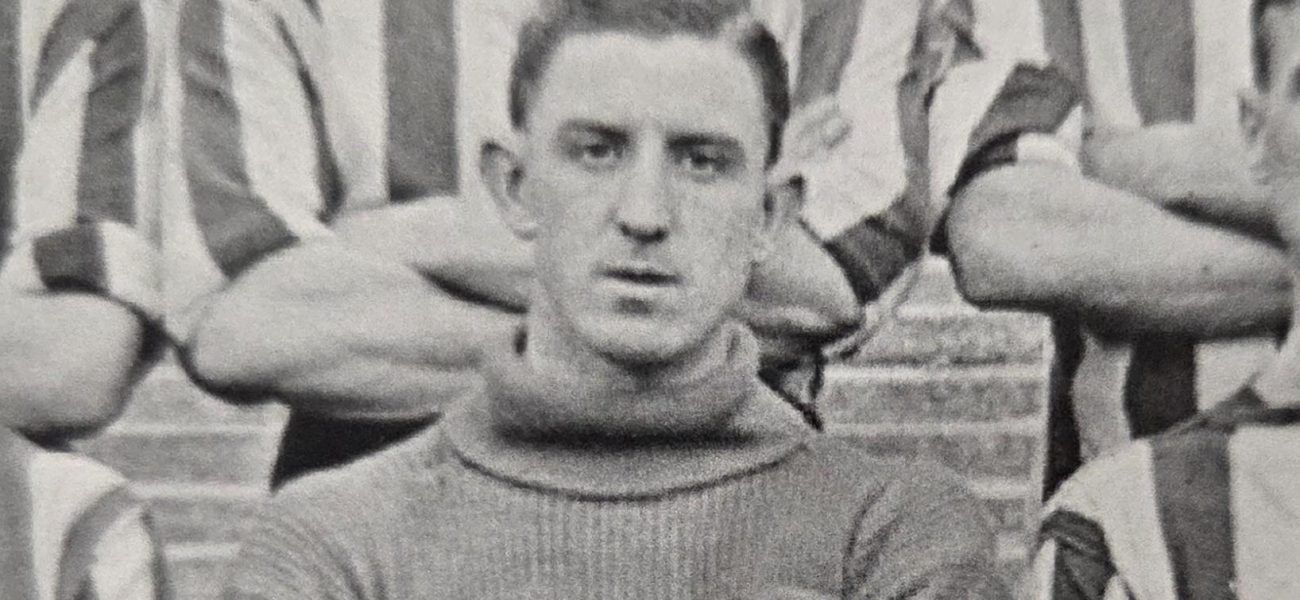
The field itself was a microcosm of the returning world. Leslie Scott, Sunderland’s keeper, back from his service with the Durham Light Infantry. George Keenlyside, a South Shields player, a familiar face who’d faced these same Sunderland lads four times that very season. They were all patched-up veterans in one way or another, finding their footing again, literally — and metaphorically.
📄 POLICY WIRE WHITEPAPER PUBLISHED: PAKISTAN'S NATIONAL SECURITY POLICY PRIORITIES
👉 READ BY CLICKING HEREA week later, at the very same Roker Park, another charity match was staged—this one, astonishingly, a ladies’ fixture. Proceeds headed to the Haverfield Disabled Serbian Soldiers Fund. About 10,000 spectators showed up for that, too. Minnie Seed of Whitburn captained the Sunderland ‘Lasses’, facing off against a reputedly ‘more experienced’ Newcastle side, who prevailed 4-1. That tells you something, doesn’t it? The urge to organize, to compete, to heal through communal spectacle, was truly pervasive. The nation wasn’t just fixing roads; it was patching up its social fabric, thread by thread. Not just with bread, but with circuses.
What This Means
These forgotten post-WWI skirmishes—part football, part public fundraiser—aren’t just footnotes in sporting history. They illustrate a fascinating blend of early public-private collaboration, proto-social welfare efforts, and the power of popular culture to bind communities in times of deep uncertainty. The focus on “charity” wasn’t merely altruistic; it was a societal self-preservation mechanism. Governments, strapped for cash and grappling with the vast human cost of the war, often delegated care to civic organizations and grassroots initiatives.
In this sense, the gold pins weren’t a luxury. They were an economic stimulus, a symbolic dividend in a period of severe inflationary pressures and widespread demobilization. They acknowledged effort, even as countless war veterans—many from British colonial holdings in South Asia and the Muslim world, whose contributions often went unsung—struggled with meagre pensions and indifferent support. This dual reality, of localized celebration coexisting with broader imperial neglect and hardship, is a stark historical mirror. The Echo, acting as both promoter and chronicler, showcased the nascent, often haphazard, methods through which a nation attempted to recapture some semblance of peace, even if that peace felt, at times, incredibly fragile. They weren’t just watching a match; they were watching a nation re-learn how to live.