


Octagon’s Puppet Master: White Pulls Strings as McGregor’s Comeback Distracts From Deeper Games
POLICY WIRE — LAS VEGAS, NEVADA — There’s a particular kind of artistry in controlled chaos, in hijacking a moment not your own to announce something far grander. It happened again this past...

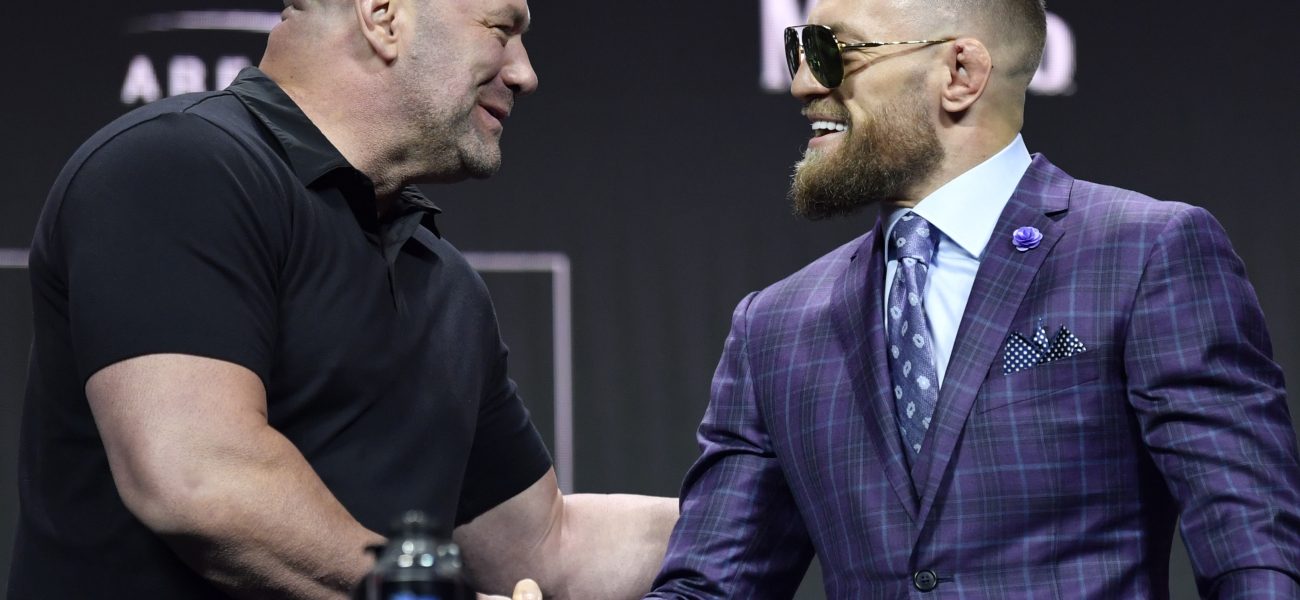
POLICY WIRE — LAS VEGAS, NEVADA — There’s a particular kind of artistry in controlled chaos, in hijacking a moment not your own to announce something far grander. It happened again this past weekend. While heavyweight contender Francis Ngannou made his slow, purposeful march to the Octagon—the spotlight firmly on him—UFC CEO Dana White, that tireless orchestrator of manufactured drama, dropped a bombshell elsewhere. He confirmed the long-awaited return of Conor McGregor, squaring off against Max Holloway at UFC 329 on July 11th. But this wasn’t some respectful press release. Nah. White splashed the news during another fighter’s grand entrance, a move so brazen, so perfectly ‘Dana’, it screamed calculated deflection. Because, let’s be honest, few in this business are as adept at shaping the narrative, at bending the spotlight to their will, as he’s.
It’s all about the buzz, see. Forget the niceties, forget letting other narratives breathe. When you’re running a multi-billion dollar enterprise built on personality — and brute force, you play for keeps. And the biggest personality the UFC ever churned out is back. Conor McGregor, the bombastic Irishman, is set to re-enter the cage after what’s felt like an eternity for fans, but was, in business terms, a strategically inconvenient five-year absence from regular competition. His last major outing, a trilogy bout against Dustin Poirier back in July 2021, ended with a grim leg break and an even grimmer silence.
His planned comeback against Michael Chandler at UFC 303 in 2024 hit a wall due to a toe injury – or so we were told. Convenient, perhaps, when negotiations might have been stagnating, or the hype machine needed a different kind of reboot. But now, it’s Holloway, ‘Blessed’ Max Holloway, who steps into the spotlight. A phenomenal fighter in his own right, but one who, for the casual observer, perhaps lacks the visceral, unpredictable draw of ‘The Notorious’ one.
“Look, this ain’t charity,” White declared recently, perhaps to an imaginary journalist in the back of his mind. “This is about making the fights people wanna see and, yeah, making some serious cash while we’re at it. Conor and Max? That’s money, plain — and simple.” And that’s the raw truth of it. Because, in the grubby world of combat sports, every comeback, every matchup, is ultimately a transactional decision. Holloway, coming off a tough loss to Charles Oliveira at UFC 326, isn’t just looking for revenge for his 2013 loss to McGregor; he’s hunting for the biggest payday of his career. These opportunities don’t grow on trees for most fighters. Only a few command the market; the rest fight for a share of their fleeting glory.
And speaking of market, let’s not forget the bigger picture: the global scramble for eyeballs. The UFC, like any entertainment titan, isn’t just aiming for American sports fans. No way. They’re eyeing every screen, every wallet, worldwide. A recent report from Synergy Sports Group indicated that viewership of UFC events in the Middle East and South Asia surged by 18% last year alone, suggesting an increasingly lucrative, still somewhat untapped market for the promotion, a demographic intrigued by the blend of individual triumph and dramatic spectacle. These events, packaged for international consumption, become significant cultural touchpoints, even if the primary economic benefits flow back to Las Vegas boardrooms. Imagine the impact of a high-profile fight night specifically tailored to those regions; it’s a policy play waiting to happen, a soft power maneuver through combat sports.
📄 POLICY WIRE WHITEPAPER PUBLISHED: PAKISTAN'S NATIONAL SECURITY POLICY PRIORITIES
👉 READ BY CLICKING HERE“They thought I was done, didn’t they?” McGregor might crow to a phantom crowd, brimming with his usual self-belief. “But the King is back, ready to show them what real fighting looks like. Max knows what’s coming, a second lesson in humility.” Whether humility or sheer entertainment awaits, the fact remains: the announcement wasn’t just about a fight. It was a perfectly timed jab from White, disrupting headlines about other fighters, about other potential mega-bouts (Ronda Rousey vs. Gina Carano was apparently on the chopping block in this grand reveal), reminding everyone who truly runs the show. It’s an exercise in brand management as much as it’s fight promotion. It’s messy, it’s loud, — and it makes millions. You can read more about how these organizations wrangle their aging stars and leverage digital distribution in an increasingly competitive media landscape at Octagon’s Golden Handcuffs.
What This Means
This whole episode paints a stark picture of modern combat sports as an empire built on volatile, often unpredictable, talent but held together by iron-fisted executive control. White’s dramatic timing for McGregor’s return, delivered during another athlete’s moment, highlights a strategy focused on absolute market dominance and narrative control. It suggests that while athlete individuality sells tickets, the power dynamic remains firmly with the promoters. For McGregor, this is his last major dance to reclaim his position at the very top of the pay-per-view food chain, not just inside the Octagon but in global popular culture. For Holloway, it’s a golden ticket to financial security, albeit one wrapped in extreme physical peril. But most significantly, it shows how the UFC continues to exploit a thirst for dramatic spectacle, often overshadowing concerns about fighter welfare, long-term careers, or the structural integrity of the sport itself. The focus remains on short-term explosive events, maximizing immediate revenue streams, particularly as they navigate increasingly complex global streaming rights and try to replicate past successes. The bigger policy implication is clear: in an age of fragmented media and constant demand for content, those who control the platforms and the most compelling personalities will continue to dictate the terms, pulling attention – and profits – away from almost anything else. You might even argue it’s Netflix’s Iron Grip, but with real punches thrown.