


Thunderous Reckoning: India’s Fatal Storms Echo Regional Climate Warnings
POLICY WIRE — New Delhi, India — It wasn’t the searing heat, the drought’s relentless grip, or even the perennial monsoons that delivered this particular brand of misery. No, this time, a...

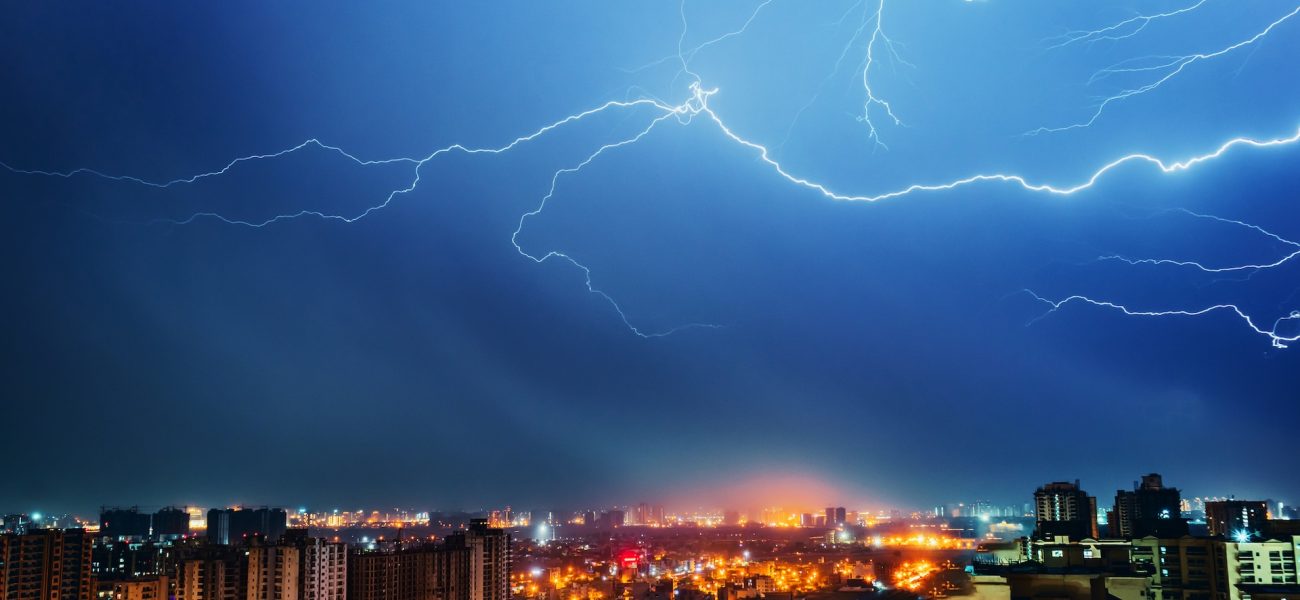
POLICY WIRE — New Delhi, India — It wasn’t the searing heat, the drought’s relentless grip, or even the perennial monsoons that delivered this particular brand of misery. No, this time, a sudden, vicious cocktail of unseasonal hail—stones reportedly the size of walnuts—and electrifying lightning descended with terrifying speed, tearing through central and northern India. A quiet Friday turned lethal, snatching over a hundred lives from unsuspecting fields — and fragile homes.
Villagers, already struggling against the economic tightrope walk that’s rural life here, found themselves at nature’s cruel mercy. Houses crumbled. Livestock, their only real savings, perished. And then, there’s the lingering chill, not just from the ice, but from the realization that the weather patterns—the old, dependable rhythms of the subcontinent—they’re changing. Dramatically. Almost capriciously, you might say.
And because the human scale of tragedy often eclipses the grand scientific narratives, it’s worth remembering that this wasn’t some distant, isolated event. Farmers, caught unawares, their crops ready for harvest, watched helplessly as their season’s labor dissolved into muddy ruin. They weren’t prepared for what meteorologists are increasingly calling ‘localized extreme events.’ A fancy term for a brutal reality, isn’t it?
But this isn’t just about localized shock. It’s a broader conversation that’s been brewing, one you hear whispered in Islamabad’s climate policy circles just as often as in Delhi’s. Dr. Priya Sharma, an agricultural economist studying climate impacts at the Institute for Social and Economic Change in Bangalore, didn’t mince words. “We’re seeing patterns shift, aren’t we? It’s no longer just the predictable monsoons. This kind of sudden ferocity, it takes you by surprise, hits where you least expect, devastating livelihoods overnight. The informal economy—that’s where the true pain resides, always.”
It’s a climate change narrative that South Asia is writing, one strike at a time. The India Meteorological Department (IMD) noted a sharp uptick in such events. According to official data from the IMD, lightning strikes caused over 2,500 fatalities annually in India between 2004 and 2020, making it a more significant killer than floods or cyclones in many years. That’s a staggering, almost silent, toll, don’t you think? It flies under the radar.
Uttar Pradesh bore the brunt of it, alongside states like Madhya Pradesh — and Rajasthan. These are regions where agriculture isn’t just an industry; it’s the very heartbeat of existence. When that pulse falters, the ripple effect—social, political, economic—can’t be overstated. You can find parallels in how vulnerable communities globally grapple with unexpected economic shocks, much like the subtle undercurrents revealed in The Hourglass Economy.
Union Minister for Earth Sciences, Ratan Singh, acknowledged the gravity but kept a stiff upper lip, as officials often do. “We’re investing in resilient infrastructure, yes. But the human element—training, awareness, early warning systems for these micro-events—that’s where the real fight is, isn’t it? It’s not just about dams — and levees anymore; it’s about micro-forecasting, localized outreach.”
📄 POLICY WIRE WHITEPAPER PUBLISHED: PAKISTAN'S NATIONAL SECURITY POLICY PRIORITIES
👉 READ BY CLICKING HEREBut outreach takes time. And money. Money these impoverished farmers often don’t have for basic repairs, let alone for weather-resistant everything. Across the Radcliffe Line, too, climate unpredictability casts a long shadow, a grim reminder that geopolitical borders offer no immunity from atmospheric wrath. Pakistan, perpetually navigating its own climate crises—from devastating floods to persistent droughts—understands this intimately. There’s a shared vulnerability, a silent brotherhood of those contending with nature’s growing fury.
Because ultimately, these aren’t just ‘weather incidents.’ They’re indicators. Harbingers, even. A subtle drumbeat building to a potentially earth-shattering crescendo. The political apparatus responds with relief packages—a few thousand rupees here, a promise there. It’s what they do. It’s necessary, sure, but it feels like band-aids on a gaping wound.
What This Means
This spate of unseasonal storms isn’t just a weather story; it’s a critical stress test for India’s governance and climate preparedness. Politically, the immediate challenge is providing swift, effective relief to prevent rural discontent from escalating. You’ve got an election cycle perpetually looming here, — and botched disaster response doesn’t win votes. Economically, the loss of standing crops—often ready for market—hits marginal farmers hardest, potentially deepening rural debt and accelerating distress migration to already overburdened cities. This kind of sudden blow disrupts local markets, creating spikes in food prices — and further straining supply chains. For a nation reliant on its agricultural backbone, such frequent, unpredictable losses chip away at its very stability. It’s a cruel game, this dance between climate volatility and human fragility. What happens when these ‘rare’ events become, well, less rare? That’s the real question facing policymakers, isn’t it? It demands a long-term, adaptive strategy, far beyond the seasonal rhetoric. And frankly, we haven’t seen enough of that.
The global community, including international aid agencies, will no doubt watch with a mixture of concern and a weary familiarity. This isn’t the kind of brutal poetry most folks prefer. For Pakistan and other regional players, India’s struggles are a mirror—reflecting their own, often more severe, vulnerabilities to climate shocks. There’s no escaping it, no isolating it; what hits one side of the border today often comes for the other tomorrow. It’s a shared future, one way or another.