


Inferno’s Eerie Whisper: New Mexico Blaze Tied to Deadly Plane Crash Sparks Mass Exodus
POLICY WIRE — Capitan, N.M. — It’s a bitter ballet, isn’t it? The dance of flames — and forced retreat, unfolding again under a parched New Mexico sky. Only this time, there’s an unnerving twist, a...

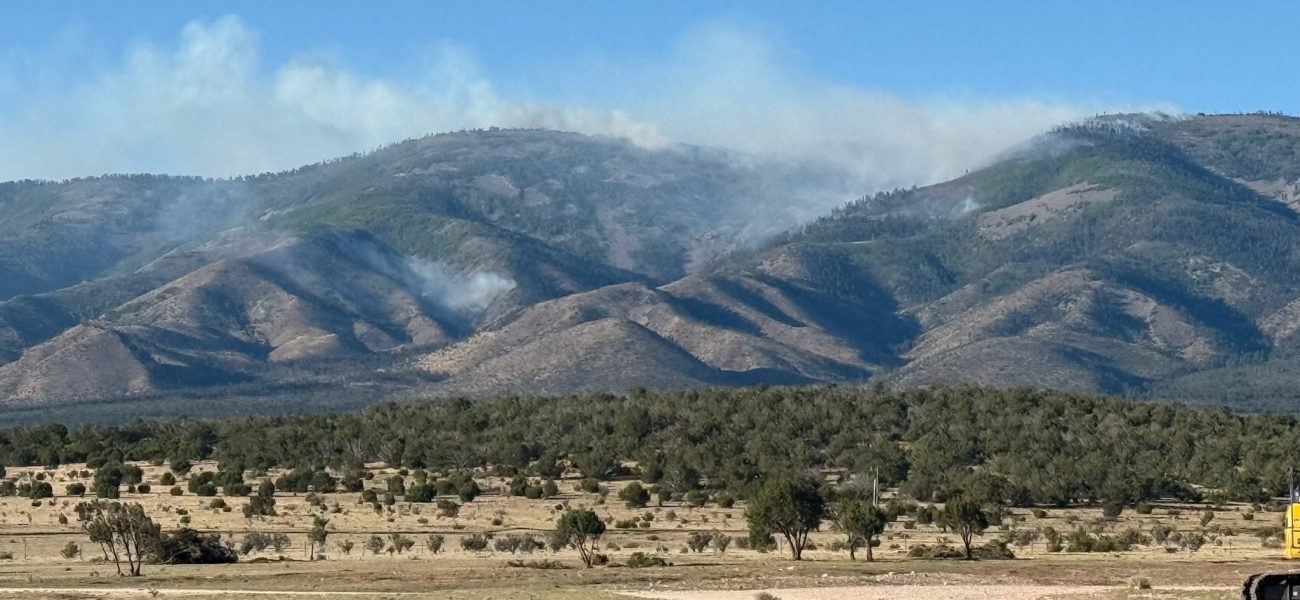
POLICY WIRE — Capitan, N.M. — It’s a bitter ballet, isn’t it? The dance of flames — and forced retreat, unfolding again under a parched New Mexico sky. Only this time, there’s an unnerving twist, a grim narrative tethering the raging Seven Cabins Fire—now a ravenous 889 acres, defiant at 0% containment—not to some lightning strike or carelessly tossed match, but to the spectral shadow of a deadly medical plane crash. Locals, yanked from their slumber, don’t just watch the smoke plumes; they wonder about fate, about cosmic coincidences.
Because Thursday, around 4:12 a.m., north of Capitan in the rugged Capitan Mountains Wilderness, something went terribly wrong. Not just with the land, but with the heavens, too. Officials haven’t explicitly connected the crash and the blaze with a red string, but they’re not denying the ominous whisper: the Seven Cabins Fire, residents are told, is believed to be linked to that horrific air tragedy northeast of Ruidoso. It’s an almost cinematic beginning to what’s quickly become a stark reality for those living north of the Capitan Mountains — they’ve gotta go. The emergency services don’t mince words; it’s a “Go status” evacuation.
“Look, we’re not playing around with this one,” explained Chief David Ramirez of the Capitan Mountain Fire Service, his voice strained from what must’ve been hours of yelling into radios. “The terrain is unforgiving. Dry as a bone, too. When a fire moves this fast, fueled by bone-dry conditions, we don’t gamble with lives. People need to move, now. We’ll sort out the shelters, but personal safety? That’s priority one, period.”
This isn’t just about a local fire; it’s a stark reminder of our brittle relationship with an increasingly unpredictable environment. These dramatic, sudden displacements, these climate-adjacent crises—they’re not confined to arid pockets of the American West. Consider nations like Pakistan, for instance, where millions grapple annually with climate migration, facing down extreme floods and heatwaves. Their battles often dwarf these New Mexico incidents in scale, certainly, but the underlying anxieties — the fragility of home, the inadequacy of preparation — feel awfully familiar.
But back in Lincoln County, it’s personal. And it’s messy. People are grabbing what they can, looking for information that trickles out slowly, waiting for shelter locations to solidify. It’s a scrambling chaos that doesn’t differentiate between rich or poor, old or young. “It’s a tough day for our community,” Lincoln County Commissioner Maria Delgado offered, her tone a weary blend of resolve and dismay. “You train for this, you plan, but when it’s your neighbors, your friends, packing up with minutes to spare… it hits different. We’ve been talking for years about the increasing risk. Our infrastructure isn’t just roads and bridges, it’s also our emergency response capacity, our communal safety nets. This fire, this strange, tragic trigger event, it pushes all those limits.”
📄 POLICY WIRE WHITEPAPER PUBLISHED: PAKISTAN'S NATIONAL SECURITY POLICY PRIORITIES
👉 READ BY CLICKING HEREThe numbers don’t lie about the growing peril. The National Interagency Fire Center (NIFC) reported that in 2022 alone, wildfires scorched over 7.5 million acres across the United States. That figure? It’s not just big; it’s a terrifying upward trend that regional authorities know all too well. Every flicker, every smoke column, raises the specter of these grim statistics. What was once an isolated incident becomes part of a larger, global, — and wholly inconvenient pattern.
What This Means
This New Mexico blaze isn’t just a wildfire; it’s a symptom, a sharp jab at our complacency. Economically, the impact will sting. Displaced residents, destroyed property, the colossal cost of suppression—these are direct hits to local coffers and personal savings. Smaller communities like Capitan, reliant on seasonal tourism or agriculture, can be absolutely leveled by such disruptions. Politically, expect local officials to field a torrent of questions about emergency preparedness, resource allocation, and, perhaps more pointedly, long-term climate strategies. There will be whispers, too, about the investigation into the plane crash itself—its potential mechanical failures or human error suddenly inextricably tied to this environmental devastation.
But the human toll, the quiet despair of sudden upheaval, that’s where the true story lies. Evacuees aren’t just fleeing flames; they’re abandoning routine, security, memories. The weird genesis of this fire—a tragic plane crash—only adds to the profound sense of unease, suggesting that even our most modern conveniences and vital services can become unexpected harbingers of disaster. We’re left watching, waiting, and hoping the winds—both meteorological and metaphorical—eventually shift.