


Paradise’s Perilous Depths: Maldivian Diver’s Sacrifice Compounds Riviera Tragedy
POLICY WIRE — Malé, Maldives — Some paradises demand an agonizing toll. This much is clear now, not merely from the unsettling silence emanating from a deep underwater cave in Vaavu Atoll, but from...

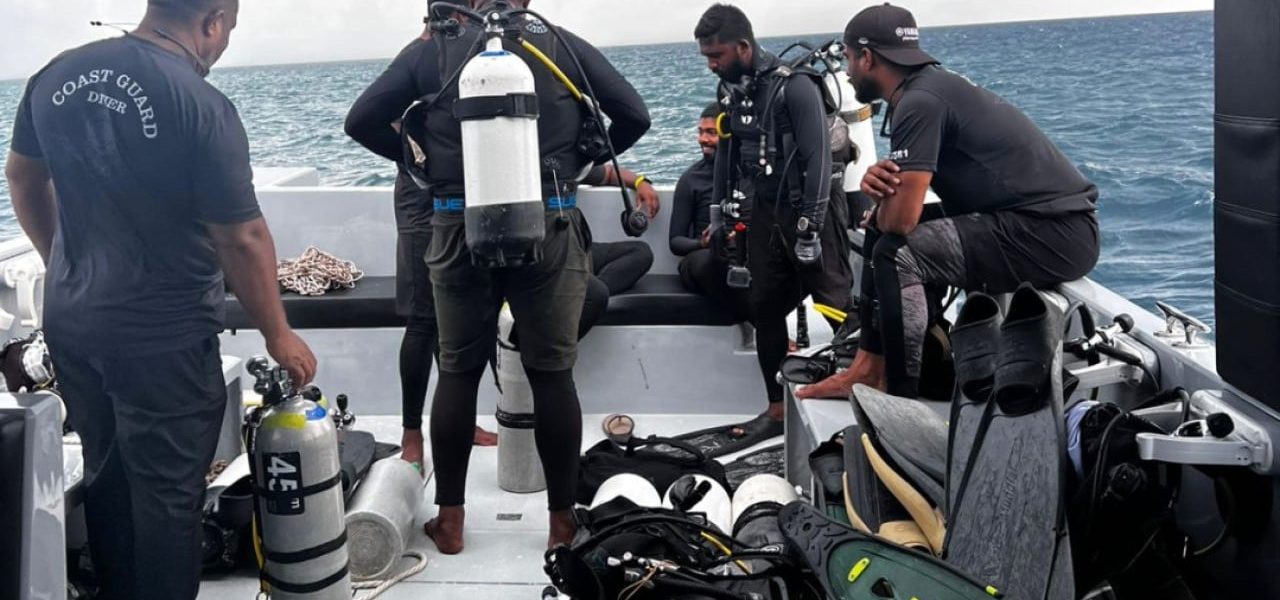
POLICY WIRE — Malé, Maldives — Some paradises demand an agonizing toll. This much is clear now, not merely from the unsettling silence emanating from a deep underwater cave in Vaavu Atoll, but from the brutal ripple effect claiming more lives. It wasn’t enough, apparently, for four Italian adventurers to vanish into the ocean’s blue embrace. The sea, it seems, wasn’t done with its claims, taking a Maldivian military diver who ventured into its maw Saturday, simply trying to bring some peace to desperate families.
Because the story here isn’t just about extreme sport gone wrong; it’s about a cascading tragedy that pulls at the fabric of a nation synonymous with postcard perfection. The initial incident unfolded last Thursday, when five Italian divers – though reports have now consistently pointed to four individuals whose bodies are believed to be trapped – embarked on an exploration that spiraled into disaster at an estimated depth of 50 meters (roughly 160 feet). The pristine turquoise waters that lure hundreds of thousands of tourists annually hid a labyrinthine danger, a cold, hard truth that sometimes, the beauty you seek can kill you.
Maldivian Presidential Spokesman Mohammed Hussain Shareef, whose office grapples daily with the delicate balance of projecting an idyllic image while confronting often harsh realities, offered a subdued but resolute tone. “This is a profound loss for our nation, an unimaginable sacrifice made in the service of humanity,” Shareef told Policy Wire, his voice tinged with genuine grief. “Our commitment to recovering all individuals remains steadfast, despite the immense hazards involved. We won’t abandon those who came to our shores.” And you can believe that. There’s reputation, sure, but there’s also an inherent duty felt deeply in island nations.
But the grim mathematics of risk escalated on Saturday. The Maldives National Defence Force confirmed that one of its own, a highly trained military diver, succumbed during recovery operations. The specifics remain murky, the dangers of such an environment — poor visibility, powerful currents, immense pressure, limited air supply — are anything but. The Italian Embassy in Malé, reportedly overwhelmed with calls, declined immediate comment, though sources suggest Rome is weighing specialized assistance for such an unprecedented, multifaceted tragedy.
The Maldives, an archipelago nation within South Asia — and a proud member of the Muslim world, leans heavily on tourism. Tourism accounts for an estimated 28.3% of the Maldives’ Gross Domestic Product as of 2022, according to the Maldives Monetary Authority, making it economically reliant on visitors experiencing its famed natural beauty. Incidents like this, while rare, send shivers down spines in the tourism ministry, reminding everyone that beneath the azure surface lies not just coral gardens, but also potential disaster. It’s a delicate dance, catering to those seeking the thrill of the extreme without jeopardizing the fragile perception of safety.
“We come for the unparalleled beauty, the pristine waters, the incredible diving,” confessed tourist Elena Petrova from Russia, whose holiday plans now feel distinctly shadowed. “You don’t think about things going so horribly wrong. It makes you – well, it makes you think twice, doesn’t it?”
📄 POLICY WIRE WHITEPAPER PUBLISHED: PAKISTAN'S NATIONAL SECURITY POLICY PRIORITIES
👉 READ BY CLICKING HEREThe original search efforts for the Italian divers were hampered by rough weather on Friday, turning an already complex task into a nightmarish ordeal. Progress was made exploring the cavern system, though that progress was bought at a devastating price. The ongoing operation now not only aims to recover the remains of the Italian quartet but also to honor the memory of the fallen Maldivian diver, a task burdened by immense physical and emotional strain. It’s an escalating calamity, a tragic feedback loop that feels almost cruel.
Rear Admiral Vincenzo Leone, a retired Italian Navy commander with extensive experience in underwater salvage operations, expressed a sentiment echoed by many. “This kind of extreme cave diving—especially at such depths and in potentially unknown systems—is an inherently high-risk endeavor,” Leone said, via a telephone interview from Rome. “When you add the complexity of rescue — and recovery, you are effectively entering an even more perilous domain. Our hearts go out to the Maldivian forces; they’re true professionals putting their lives on the line for others.” But even professionals, it turns out, can be overcome by the deep.
What This Means
This incident, far from being just another maritime accident, presents a sharp test for the Maldivian government and its critical tourism industry. The loss of a local serviceman while retrieving foreign tourists hits differently; it evokes a powerful national sentiment of sacrifice, which could, paradoxically, reinforce local pride but also intensify questions about risk assessment and safety protocols, especially for highly specialized—and inherently dangerous—activities like deep cave diving. Internationally, it elevates the perception of danger associated with exotic adventure travel, potentially impacting the high-end, adrenaline-seeking demographic that increasingly favors such destinations. While the Maldivian government can usually manage bad press with its sheer natural beauty, the image of local heroes dying for foreign tourists might spark an internal reckoning.
For Italy, it’s a tragedy felt acutely. Not only do they mourn their citizens, but the circumstances of their loss, alongside the Maldivian serviceman’s death, cast a somber shadow, prompting calls for international cooperation on standardizing safety guidelines for extreme sports operators in regions lacking robust regulatory oversight. This could lead to tighter scrutiny of foreign tour operators — and local permits. And it raises bigger questions, too, about humanity’s relentless push into uncharted territories, even as the earth offers stark warnings about environmental recklessness. But for now, the immediate focus remains on the chilling reality at Vaavu Atoll: six lives lost, swallowed by an unforgiving sea.