

Toy Terror, Real Consequences: Albuquerque Teen’s BB Gun Case Ignites School Safety Debate
ALBUQUERQUE, N.M. — The replica looked menacingly real—a BB gun, court documents say, painstakingly modified to impersonate a Glock, right down to a 9-millimeter round tucked convincingly into its...

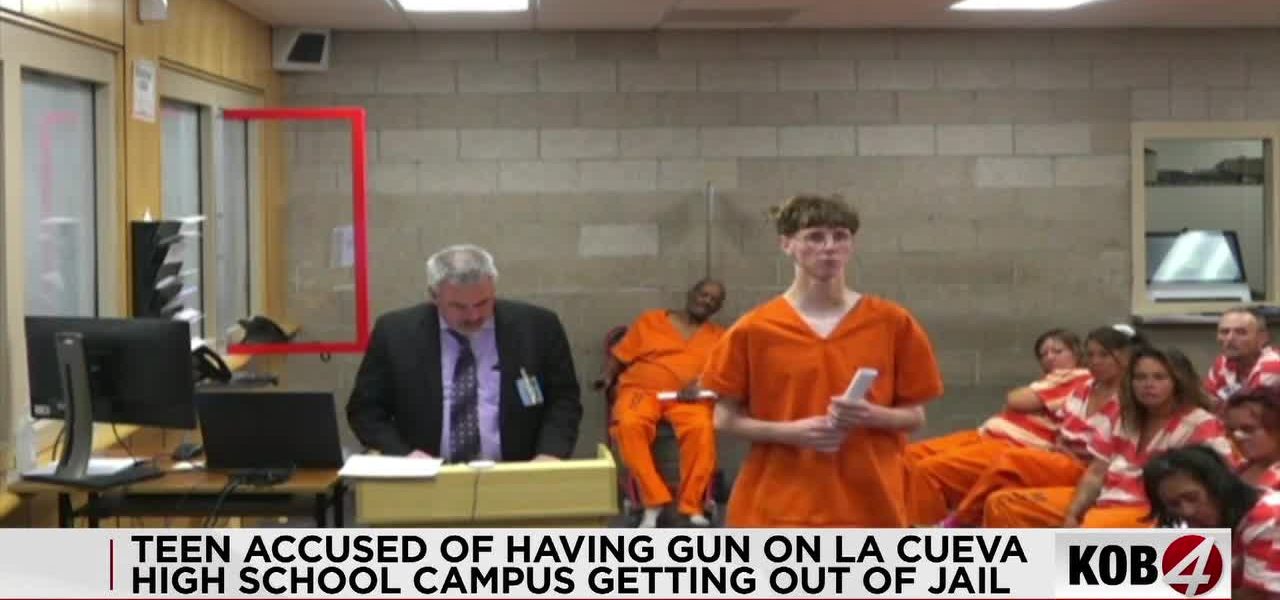
ALBUQUERQUE, N.M. — The replica looked menacingly real—a BB gun, court documents say, painstakingly modified to impersonate a Glock, right down to a 9-millimeter round tucked convincingly into its magazine. Not for firing, mind you, but for a chilling pantomime of power, allegedly played out on an Albuquerque high school campus. The central character in this unnerving drama? A teenager now released from custody, a judge’s decision underscored by prosecutors’ reluctance to push for detention. It’s a situation that begs tough questions, not just about school safety in New Mexico, but about the insidious blurring of lines between adolescence and genuine threat.
But the true complexity of this saga lies not in the BB gun’s faux lethality, but in its capacity to trigger very real fear. Because when 16-year-old Daniel Lucero, identified as the passenger, allegedly pointed this convincing imitation at a fellow student, the psychological impact, regardless of ballistic capability, was immediate and devastating. It’s a cruel sleight of hand—the illusion of deadly force—that often plays out in classrooms and hallways across the nation, making targets of innocent bystanders. That student also received threatening social media messages, prosecutors assert, weaving a narrative of targeted intimidation that transcends mere horseplay.
Stevie Larrichio, who authorities say owned the weapon and kept it in his car on school grounds, faces charges including possessing a weapon on campus and aggravated assault. Yet, his release, conditional though it may be, from the very system designed to prevent such incidents, spotlights the delicate, often agonizing balance our legal framework attempts to strike. It’s not just about what a weapon is, but what it’s perceived to be, — and the chilling behavior it enables.
“When you modify a replica weapon to mimic the appearance and feel of a legitimate firearm—especially one with a live round, even if inert—the threat level, as perceived by victims and law enforcement, becomes alarmingly real,” stated District Attorney Julian Ortiz, his voice betraying a hint of frustration over resource allocation. “We’re not just talking about a toy here; we’re talking about a tool of intimidation that, to a terrified student, feels absolutely genuine. And that necessitates a robust response, or we risk sending a dangerous message.”
Dr. Amina Khan, head of a regional school safety advocacy group and a prominent voice on youth engagement, particularly noting similar struggles faced by adolescents in developing nations, doesn’t mince words. “It’s a chilling reminder,” she commented. “Schools shouldn’t be battlegrounds for kids making terrible choices. Our kids—whether in Albuquerque or Karachi—deserve safe places to learn, not a front-row seat to this unsettling charade. It shows a systemic failure somewhere down the line when young people resort to such extremes, even if it’s with a glorified pellet gun.”
This incident, far from an isolated quirk, sits uncomfortably within a troubling pattern. Reports indicate a concerning trend, with incidents involving weapons on K-12 school campuses increasing by over 40% nationwide between the 2017-18 and 2021-22 school years, according to data from the National Center for Education Statistics. This isn’t an isolated anomaly; it’s a symptom, a visible crack in the foundation of public safety.
📄 POLICY WIRE WHITEPAPER PUBLISHED: PAKISTAN'S NATIONAL SECURITY POLICY PRIORITIES
👉 READ BY CLICKING HEREBut how do we effectively address a threat that leverages deception? When a toy becomes a terror, requiring the full machinery of law enforcement and judicial review, something’s profoundly amiss. We’ve got parents wrestling with digital landscapes, a torrent of violent content available with a tap—and now, the very tools of children’s play are being warped into instruments of intimidation. It makes you wonder: who’s truly protecting whom?
What This Means
The Albuquerque incident isn’t merely a localized legal skirmish; it’s a stark mirror reflecting deeper societal strains, with considerable policy implications for juvenile justice and school security nationwide. The prosecutor’s decision not to seek detention, while perhaps grounded in the specific facts and juvenile protocols, ignites debate on the perceived leniency of the system when confronted with perceived threats. It poses a policy conundrum: how do you deter increasingly sophisticated acts of intimidation, even those involving non-lethal replicas, without over-criminalizing youth or clogging overburdened juvenile facilities? This often places significant fiscal strain on local councils already struggling with budgets.
Economically, the constant drumbeat of school safety concerns drives up costs for everything from security cameras and personnel to mental health support and educational programming focused on conflict resolution. This diverts precious resources from academic enrichment and extracurricular activities, ultimately impacting educational quality. there’s the broader societal cost—a climate of fear can corrode trust within communities, reduce student engagement, and place an invisible burden on families already contending with other challenges. In places like Lahore, where informal networks often step in when state institutions fall short, such systemic vulnerabilities become even more glaringly apparent, creating spaces for these social fractures to deepen. Because when a community doesn’t feel secure, every aspect of daily life, from education to commerce, takes a hit.
From a political standpoint, these events fuel perennial debates between punitive ‘tough on crime’ postures and calls for rehabilitative, preventative approaches. Lawmakers face pressure to enact measures that are both effective and fair, a tightrope walk given the emotional charge surrounding child safety. This episode will undoubtedly reverberate through state legislative halls, pushing for more explicit statutes around replica weapons or enhanced funding for school resource officers. And it reminds us all: the quiet unease sown by a fake gun can resonate with a very real political tremor.