
Albuquerque’s ‘Vision Zero’ Program Veers Off Course Amid Deadly Week, Funding Cuts
POLICY WIRE — ALBUQUERQUE, N.M. — The sirens have become a mournful, too-familiar chorus in New Mexico’s largest city. Weekends, weekdays, it barely matters; the mournful wail is...

POLICY WIRE — ALBUQUERQUE, N.M. — The sirens have become a mournful, too-familiar chorus in New Mexico’s largest city. Weekends, weekdays, it barely matters; the mournful wail is often the grim herald of another statistic, another life snuffed out on Albuquerque’s increasingly unforgiving asphalt. And just when you’d think something — anything — might shift, the City Council decides to pull the rug right out from under efforts meant to keep folks safe. Some might call it civic oversight. Others? Well, they’re calling it an open invitation for more carnage.
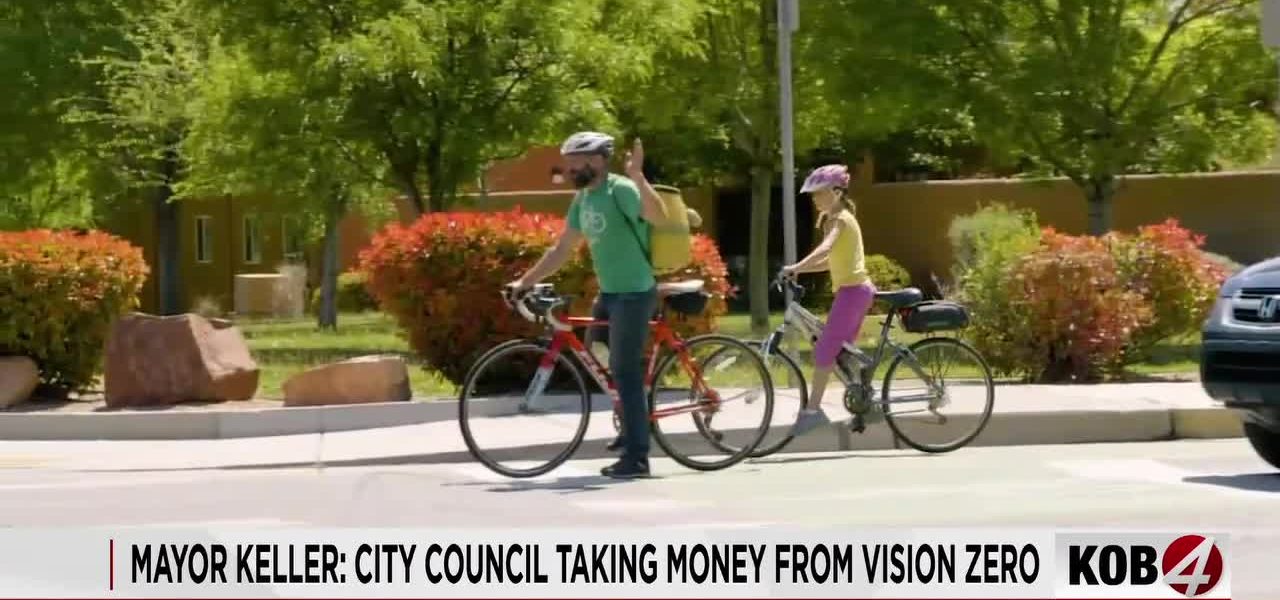
Mayor Tim Keller — not one to typically mince words, but certainly sharper than usual — isn’t just peeved. He’s spitting nails. It’s not a mystery, see, that this dusty, sprawling burg holds an unenviable spot on lists of America’s most dangerous cities for pedestrians. We’ve been watching our neighbors get struck down for years. And because of this persistent, horrifying reality, the city — under Keller’s previous leadership, mind you — launched its “Vision Zero” initiative a little over four years back. The goal? A world-changing aspiration: zero traffic deaths or serious injuries by 2040. An ambitious notion, to be sure, but one that actually had money behind it. Until now, that’s.
“They’ve literally just pulled five million dollars clean out of our pedestrian safety budget,” Keller blasted reporters recently, his voice tight with frustration. “It’s an absolute dereliction, frankly. We’re talking about lives here, not line items on a spreadsheet. They’ve effectively gutted a program meant to protect our neighbors on the very week we’re pulling bodies from traffic wreckage. It’s obscene, truly.” He’s not wrong. The week prior to the Council’s fiscal acrobatics saw multiple fatal crashes, a sickening reminder of the stakes. Vulnerable road users — cyclists, scooter riders, folks just trying to walk — disproportionately ended up as tragic headlines.
But the council, bless their pragmatic hearts, seems to sing a different tune. Councilman Richard Johnson, a known fiscal hawk, defended the cuts in a statement that, while sounding sympathetic, clearly wasn’t. “Look, budgets are always about tough choices, particularly when economic headwinds are buffeting the city coffers,” Johnson explained, cool as a cucumber. “We appreciate the Mayor’s passion for safety, of course. However, we also have competing priorities, like public safety personnel increases — and addressing homelessness. And, let’s be real, a lot of these accidents — an unfortunate majority, one could argue — boil down to individual responsibility. You can’t simply engineer away carelessness with taxpayer dollars.” That’s a bold take when the asphalt’s still warm from a freshly departed victim, but politics is rarely subtle. Or entirely sensitive.
It’s a peculiar brand of short-sightedness that can grip even well-meaning officials. The Centers for Disease Control and Prevention (CDC) estimates that traffic crashes are a leading cause of death for people aged 1-54 in the United States, an unsettling fact that makes cities’ decisions on traffic infrastructure all the more baffling. Indeed, for some, this isn’t just a local spat; it’s a symptom of a much larger, almost global malaise in urban planning and public safety prioritization.
Consider the labyrinthine streets of Lahore or Dhaka — teeming, bustling, sometimes chaotic. Even there, facing far greater infrastructural and population pressures, discussions about pedestrian safety are moving towards preventative measures. Countries like Pakistan, with burgeoning metropolises that see exponential growth in traffic and population, have, in recent years, started exploring what ‘Vision Zero’ means for them, albeit with different resource levels and often with the assistance of international development agencies. While their challenges might seem worlds away from Albuquerque’s — a recent World Health Organization report estimated over 27,000 traffic-related deaths annually in Pakistan — the core philosophical struggle remains identical: how much is a human life worth when weighed against a budget line item? It’s not just a debate here; it’s a global existential urban question.
But back to Albuquerque, where the stakes are immediate, not academic. The cops, for their part, sound resigned. Lieutenant Lawrence Monte from APD’s Metro Traffic Division put it plainly — perhaps too plainly for those grieving: “Pedestrians or cyclists, sure, they might not be paying attention sometimes. But you’re the one operating a motor vehicle. So it’s more important for you to be extra cautious. You’re behind the wheel.” This, of course, shifts the burden largely onto drivers, implicitly lessening the city’s role in creating safer environments — which was exactly what Vision Zero aimed to do.
📄 POLICY WIRE WHITEPAPER PUBLISHED: PAKISTAN'S NATIONAL SECURITY POLICY PRIORITIES
👉 READ BY CLICKING HEREBecause ultimately, when millions vanish from critical safety programs — and those programs were actually starting to gain traction, mind you — what are residents left with? Fewer marked crosswalks, potentially darker intersections, and the sinking feeling that maybe, just maybe, their life isn’t quite as prioritized as campaign promises once made them believe. It’s a bitter pill, served up with the whirring sound of budget cutters.
What This Means
This decision, while seemingly a straightforward budget cut, echoes with far greater implications. Politically, it frames Mayor Keller as a fighter for public safety, a potentially powerful narrative — if he can spin the Council as uncaring or out of touch. The Council, however, will likely frame their actions as prudent fiscal management, balancing competing needs in a challenging economic climate. Their bet is that the average voter prioritizes broader financial stability or other visible city services (like police presence or maintaining parks) over a less tangible, preventative program like pedestrian safety.
Economically, there’s a perverse cost-benefit analysis at play here. Cutting upfront safety investments might save $5 million today, but the hidden costs — increased healthcare expenses from injuries, lost productivity due to fatalities, higher insurance premiums for drivers, and potential litigation against the city — often dwarf those initial savings. It’s penny-wise and pound-foolish, a move that could lead to a less productive workforce and greater strain on emergency services down the line. It isn’t just about saving lives; it’s about preventing economic drain. such decisions can signal a broader municipal ambivalence towards urban quality of life, which can, over time, impact tourism and even inward investment. If a city isn’t safe for its residents, who else would want to be there?
The philosophical shift is also stark: from proactively engineering safer spaces to passively encouraging individual caution. This approach disproportionately impacts lower-income communities, which often rely more heavily on walking or cycling and are frequently situated in areas with poorer infrastructure. It also puts more onus on the victim to avoid harm, rather than the system designed to protect them. This shift isn’t unique to Albuquerque; many cities grapple with how to fund essential public services while maintaining fiscal discipline. But to do so amidst a deadly surge, and by stripping a program designed explicitly for preventative safety, suggests a deeply troubling prioritization. The message, intentional or not, is clear: safety, for now, is a luxury the city can’t afford — or simply won’t invest in.