

Teesta’s Turn: Dhaka Tilts East as India Fails to Deliver on Water Promises
POLICY WIRE — Dhaka, Bangladesh — They say water is life. For Bangladesh, that phrase carries an altogether heavier weight, a bitter irony even. You see, years of quiet diplomacy—of hopeful murmurs...

POLICY WIRE — Dhaka, Bangladesh — They say water is life. For Bangladesh, that phrase carries an altogether heavier weight, a bitter irony even. You see, years of quiet diplomacy—of hopeful murmurs and exasperated whispers—with its giant neighbor, India, over the shrinking Teesta River haven’t yielded much beyond…well, silence. So, Dhaka just got noisy. Very noisy. And not in Delhi’s direction.
It seems Prime Minister Tarique Rahman, only recently at the helm, isn’t much for treading water. His administration officially tapped Beijing this month, kicking off discussions for a massive $1 billion Teesta River restoration project. It’s a pragmatic play, some would say a desperate one. And it’s undeniably a slap right across India’s regional influence. The optics aren’t subtle: Bangladesh isn’t waiting around anymore.
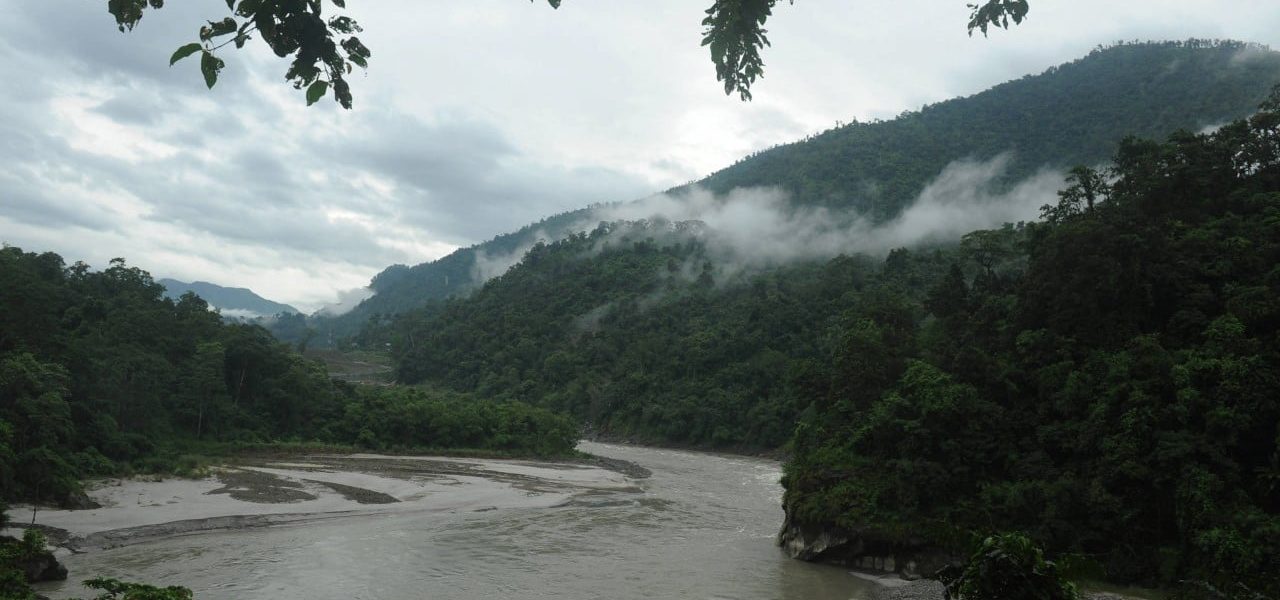
For decades, millions have looked to the Teesta, which carves its path from the Himalayas through Sikkim and West Bengal before emptying into the Brahmaputra in Bangladesh. But every dry season, it gets skinnier, less generous. Farmers lose crops. Fishermen, well, they just lose their livelihoods. The shared river—a classic riparian challenge, really—has been a constant irritant between Dhaka and Delhi. India controls the upstream flow, and, let’s be frank, they haven’t been in a rush to formalize a water-sharing agreement beneficial to downstream Bangladesh.
Prime Minister Rahman, speaking last week in what can only be described as a thinly veiled critique of Delhi’s perceived lethargy, didn’t mince words. “We’ve exhausted every conventional avenue,” he reportedly told a small group of senior party officials. “Our people can’t drink promises; they need water. Beijing, for now, offers concrete action. We simply can’t wait any longer for historical bonds to manifest into actual sustenance.” He’s got a point. And the fact is, when your population hovers around 170 million in an area roughly the size of Iowa, and a critical river’s flow fluctuates dramatically, you start looking for solutions wherever you can get them. Beijing’s ‘Belt — and Road’ overtures, with their tempting infrastructure projects, must look pretty good right now.
Of course, this sudden swerve to China didn’t exactly earn rave reviews in South Block. An unnamed Indian diplomat, a seasoned observer of the subcontinent’s shifting tides, couldn’t hide a certain…disappointment. “India remains a steadfast partner, deeply invested in the prosperity of its neighbors,” he offered, his tone calibrated for public consumption but carrying a subtle edge for those listening carefully. “This regional cooperation is a long game, you see, not a sprint driven by opportunistic bids. One must always consider the long-term ramifications of aligning with extra-regional powers.” It sounds like a threat, doesn’t it? But, then again, when one side has been dragging its feet for years, ‘long game’ starts sounding an awful lot like ‘procrastination.’
This whole situation isn’t just about river water; it’s about strategic alignments. The Chinese proposal isn’t just for dredging the Teesta; it includes river management, bank protection, and even economic zone development along its banks. Beijing sees a clear opportunity here. Dhaka’s daring pivot is quickly becoming a textbook example of smaller nations using geopolitical competition to their advantage. What happens here could resonate across the entire Muslim world, where Beijing is steadily expanding its influence, from energy projects in Pakistan to infrastructure deals across Central Asia.
Consider the raw numbers. According to the UN Environment Programme, nearly 30 million people in Bangladesh are, directly or indirectly, dependent on the Teesta for irrigation, fishing, and basic necessities. When water levels dropped by over 70% in the lean season last year, the agricultural impact alone was devastating, wiping out an estimated $300 million in crops. You can’t ignore that. You just can’t.
📄 POLICY WIRE WHITEPAPER PUBLISHED: PAKISTAN'S NATIONAL SECURITY POLICY PRIORITIES
👉 READ BY CLICKING HEREWhat This Means
This isn’t merely a bilateral water squabble anymore; it’s a regional tremor. First, it chips away at India’s traditional influence in its backyard. Delhi has long viewed South Asia as its own sphere, but Beijing’s checkbook diplomacy consistently presents a potent counter-narrative. Every successful Chinese-backed project in the region makes it harder for India to assert its strategic primacy.
But the consequences extend beyond just geostrategy. There’s an economic ripple, too. Bangladesh, like many nations, grapples with mounting climate change challenges — and developmental aspirations. China offers a seemingly swift, no-strings-attached (or, at least, strings less visible than those from Western lenders) pathway to solutions. If the Teesta project delivers, it could spur other South Asian nations—Pakistan’s ongoing infrastructure ambitions with China come to mind—to follow suit, perhaps emboldening them to challenge existing arrangements or explore new patronage.
Then there’s the long game for Bangladesh itself. It gains a much-needed lifeline for its population, a win for food security — and public health. But at what cost? Beijing’s embrace often comes with a hefty debt tab — and potential sovereignty compromises. They’ve learned that lesson the hard way in Sri Lanka with Hambantota Port, haven’t they? And China isn’t known for its soft touch when debtors falter.
It’s a high-stakes gamble. Dhaka’s calculating. Beijing’s opportunistic. And Delhi? Well, Delhi’s watching. With, one imagines, increasingly narrowed eyes. This little river, it seems, has just become another fault line in the broader geopolitical tectonic plates.