


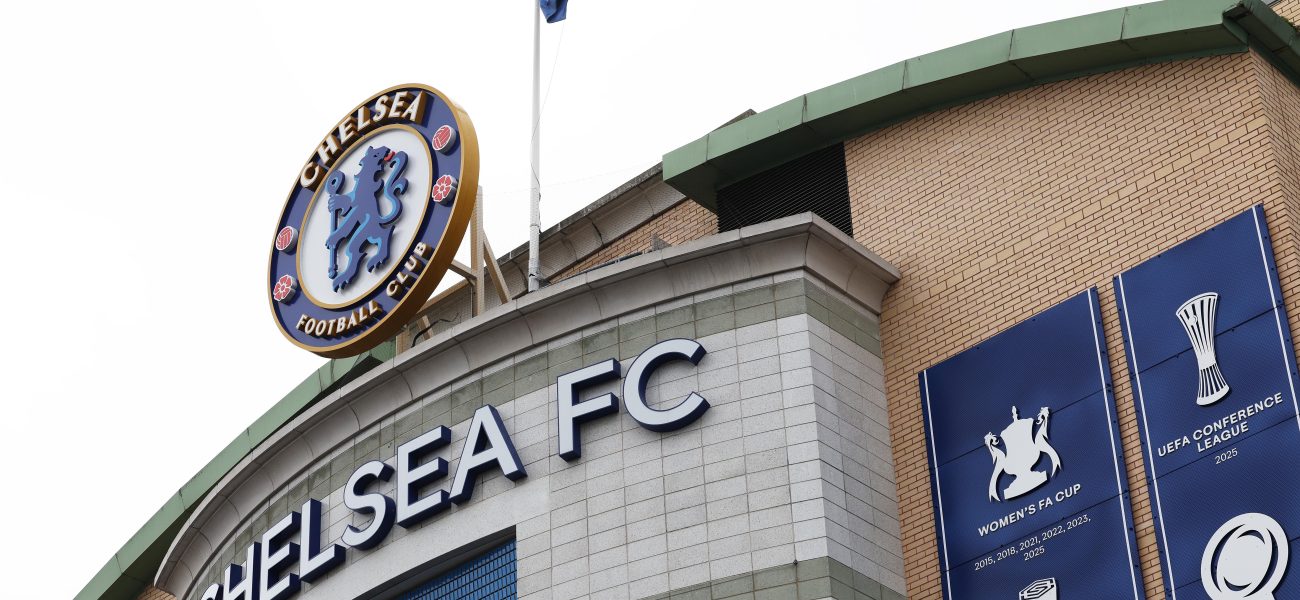
Fading Empire: Chelsea Women Face Reckoning as Hayes Era Closes Amidst Silverware Glitch
POLICY WIRE — London, UK — Stamford Bridge, that crucible of ambition and occasional hubris, braces itself for another installment of what many call ‘football’ – though the casual observer might...

POLICY WIRE — London, UK — Stamford Bridge, that crucible of ambition and occasional hubris, braces itself for another installment of what many call ‘football’ – though the casual observer might perceive it more as an exercise in damage control. It isn’t just Chelsea versus Manchester United in the Women’s Super League season finale; it’s the quiet end of an era, a reluctant acknowledgment that even the most meticulously built dynasties can stumble, perhaps even fade, not with a bang, but with a whimper.
For the Blues, this closing chapter isn’t some celebratory coronation. Far from it. It’s an autopsy performed in real-time, under stadium lights, where every pass — and tackle feels like a grim diagnostic. They’ve snagged one League Cup—a tidy, if slightly consolation prize—but the league title, that glittering testament to dominance, slipped through their grasp like sand. And the FA Cup? Gone, too. One wonders, when exactly did ‘exceptionally high standards’ start translating into ‘everything else slipped from our hands’?
Manager Emma Hayes, whose formidable tenure has reshaped women’s football, isn’t just saying farewell; she’s presiding over a season that feels, frankly, less like a triumphant march and more like an exasperated sigh. “The demands, they’re just relentless now, aren’t they?” Hayes remarked, her voice betraying a rare flicker of weariness. “You can’t just turn up — and expect to win. Other clubs, they’re investing. They’re getting smarter. It’s a completely different landscape to even five years ago, and we feel it, believe me, we do.” Her words hang heavy, a tacit admission of a struggle many high-performing entities, be they sporting or political, eventually face: how to remain ahead when the chasing pack closes with unprecedented speed.
Because let’s be honest, Chelsea isn’t merely competing on the pitch anymore. They’re part of a massive, global machine, an industry where success translates into lucrative deals, expanding fan bases, and brand power. This isn’t just a game, it’s the commercial conversion of football into spectacle, and a faltering performance impacts the bottom line, the perception of an empire. But still, the Blues carry a fierce pride, a need to uphold the narrative, especially against old adversaries. They remain, as their faithful are keen to remind anyone listening, Manchester United’s self-proclaimed ‘bogeywoman’ – a psychological advantage they’re loath to relinquish. It’s all about maintaining that one, persistent claim, that shred of moral victory when the bigger prizes elude you.
Manchester United, for their part, aren’t exactly swimming in garlands either. Their season hasn’t set the world alight, but beating a struggling giant always tastes sweeter. Manager Marc Skinner didn’t pull any punches, either. “Look, Chelsea, they’ve set the standard for a long time. But we’re closing that gap, little by little. Today? It’s not just about ending the season, it’s about sending a message. We’re coming for them, plain and simple.” Such is the competitive spirit—the blunt, almost primal need to assert dominance—that permeates even the most ‘gentle’ of sports, reflecting rivalries seen across national borders, even in the complicated diplomacy of the Subcontinent.
📄 POLICY WIRE WHITEPAPER PUBLISHED: PAKISTAN'S NATIONAL SECURITY POLICY PRIORITIES
👉 READ BY CLICKING HEREAnd these ‘messages,’ they travel. We’re seeing women’s football explode in popularity. Did you know, viewership for the Women’s Super League has shot up by an average of 42% in key global markets over the past two seasons? (Source: Sport Business Group Analytics, 2024). That isn’t some abstract number; it’s tangible proof that the stakes, both sporting and financial, are perpetually climbing.
What This Means
This final match, devoid of immediate trophy implications for Chelsea’s WSL aspirations, holds profound weight as a psychological benchmark for both clubs. For Chelsea, it’s about legacy. It’s Emma Hayes’s last stand, a chance to project an image of controlled departure rather than unravelling. A loss to United, even a minor one, only accentuates the narrative of a team in transition, its formidable aura — that enduring paradox of elite resources failing to guarantee consistency — momentarily diminished. Economically, this isn’t just about bragging rights; it’s about marketability. Dominance, sustained success, translates into sponsorship, global fan engagement, and ultimately, greater commercial pull, a model increasingly studied by burgeoning sports leagues everywhere, from Lahore to Lisbon.
But for Manchester United, the stakes are inverse. Beating Chelsea, regardless of the season’s wider context, offers a potent injection of confidence. It’s an assertion of ambition, a statement that they’re not content to merely participate, but to challenge the established order. This kind of competitive heat — the struggle for supremacy when empires shift—echoes the complexities of regional geopolitics, where past dominance doesn’t assure future sway, and every minor victory holds symbolic value for a shifting global pecking order.