


Baseball’s Quantum Conundrum: The Invisibility of ‘Clear’ Evidence Stirs Familiar Unease
POLICY WIRE — New York City, USA — It isn’t often a few disputed calls on a baseball field become a treatise on the erosion of institutional trust. But then, not every Thursday features a loss quite...

POLICY WIRE — New York City, USA — It isn’t often a few disputed calls on a baseball field become a treatise on the erosion of institutional trust. But then, not every Thursday features a loss quite like the Detroit Tigers’ recent stumble against the New York Mets. It was a mundane defeat on paper, 9-4, capping a particularly dreary sweep. Yet, deep within the replays and rhetoric, a more potent narrative was taking shape—one concerning the chasm between visible reality and the pronouncements of an unseen, infallible authority.
Fans watched, broadcasters raged, and what should’ve been routine technical adjudication spiraled into a micro-drama that mirrored larger societal anxieties. Because what exactly constitutes “clear and convincing” evidence when everyone, bar the arbiter in a distant replay center, sees the opposite? It’s a question that echoes from tribunals to financial markets, — and now, it seems, to America’s pastime. This wasn’t just about runs; it was about faith in the system, stupid. — A rather large problem when you’re dealing with any public-facing institution, don’t you think?
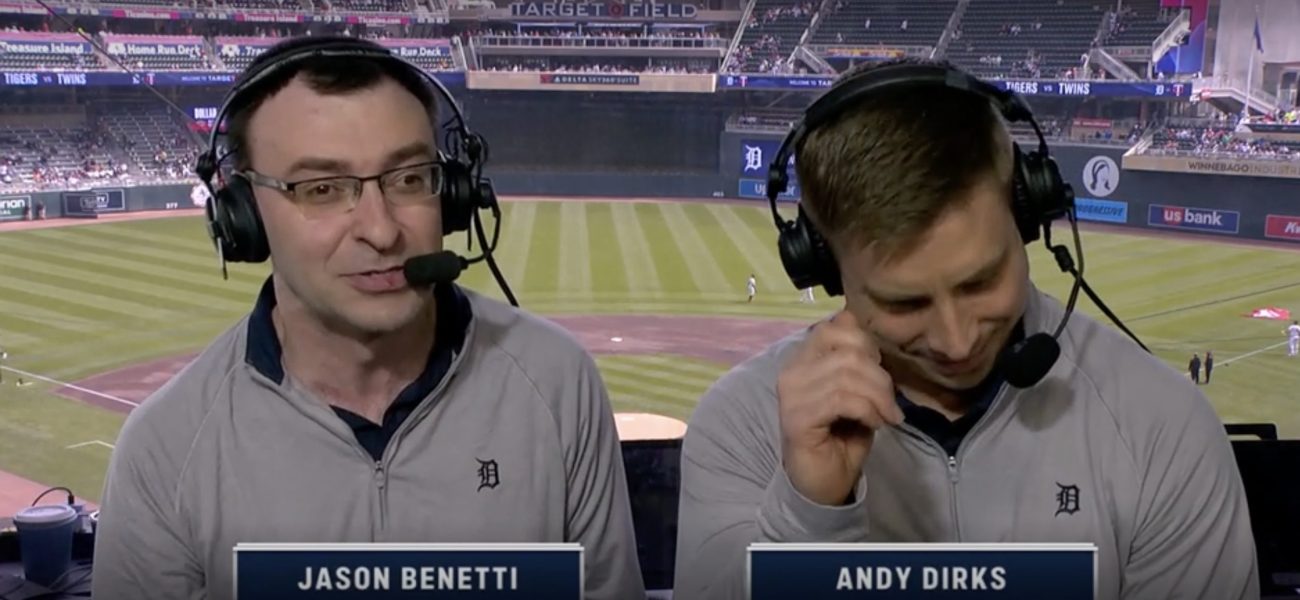
The trouble began in the fourth inning. Gage Workman, Detroit’s second baseman, slid into third, looking absolutely safe to every single human eye present, whether in the stands or behind a microphone. Then came the review. The verdict? Out. “Clear — and convincing” evidence, they said, somehow, existed to show he wasn’t. Color commentator Andy Dirks, a former major leaguer himself, wasn’t having it. “I’ll tell you what, the Tigers have a good right to believe that something isn’t on their side right now, whether it’s the baseball gods or whatever,” he grumbled, frustration plain in his voice.
Then, not to be outdone, the fifth inning delivered a sequel. Wenceel Perez, safe on a steal attempt at first, was subsequently called out after yet another replay. Broadcasters were incensed. Play-by-play man Jason Benetti, usually measured, couldn’t contain himself. “The first one was ridiculous. The first one should have been safe. This one, I just don’t know that we’ve seen clear proof of anything.” It wasn’t just losing runs; it was watching reality warp. The game moved on, of course, because games always do, but the bitter aftertaste lingers.
But here’s the kicker: MLB’s own data, compiled by the Elias Sports Bureau in 2023, shows replay reviews upholding only 56% of original on-field calls. That means nearly half are overturned. And yet, this night, calls that seemed transparently wrong to the broadcast booth were affirmed by an invisible panel somewhere in Manhattan, citing unassailable proof. Dirks put it best: “No,” he shot back, utterly exasperated. “If that one wasn’t clear proof at third, how do you have clear proof at first?… I’m just beside myself with trying to understand what these rules mean and who’s got discretion of what.” It’s a sentiment many ordinary folks could share, especially those living under policy decisions made by distant powers.
And it’s a sentiment not lost on populations far from America’s ballparks. From Islamabad to Dhaka, when opaque policy decisions are handed down by global financial institutions or powerful international bodies, they’re met with a familiar weariness. Developing nations, Pakistan included, often face economic directives that appear to ignore local realities, based on ‘evidence’ that doesn’t quite add up for those on the ground. They’ve long known what it’s like when the perceived truth from within a bureaucracy conflicts starkly with what everyone else can see, feeling the sting of disempowerment.
📄 POLICY WIRE WHITEPAPER PUBLISHED: PAKISTAN'S NATIONAL SECURITY POLICY PRIORITIES
👉 READ BY CLICKING HEREWhat This Means
This microcosm of confusion in professional baseball holds significant, albeit subtle, implications for the broader political and economic landscape. When the rules governing something as seemingly straightforward as a tag at first base become subject to wildly conflicting interpretations—especially by unseen, centralized authority—it chips away at trust. People want fairness. They demand transparency. And when those are absent, even in a sporting event, it breeds cynicism that can easily migrate to more serious policy discussions.
Economically, this breakdown of trust, however trivial its origin, can contribute to a climate of uncertainty. Imagine investor confidence hinging on the perceived integrity of regulatory bodies. If officials in a central office can unilaterally override what seems plain to everyone else, without truly convincing evidence, it erodes the foundation of predictability and justice. This phenomenon isn’t new; governments globally, and not just those in Washington, grapple with public skepticism, whether it’s regarding geopolitical power plays in Asia or environmental policy. It underscores the delicate balance between necessary authority and the absolute requirement for transparent, accountable decision-making.
For nations navigating complex international relations, like those in the Muslim world often caught between great power rivalries, this issue of visible versus invisible evidence carries grave weight. Decisions affecting millions are made, ostensibly based on intelligence or proprietary data, which often remains inaccessible to those most impacted. Just as the Tigers’ broadcast crew wondered what unseen camera angle the replay center possessed, so do nations question the ‘evidence’ guiding critical foreign policy or economic sanctions—decisions with stakes far higher than a baseball game. The perceived fairness, or lack thereof, reverberates, creating ripples of distrust that undermine diplomatic efforts and global stability. The lessons from a poorly officiated baseball game, it seems, stretch much further than the baseline.