


Albuquerque’s Dusty Anthem: Boots, Beats, and a Gamble on Mass Appeal
POLICY WIRE — ALBUQUERQUE, N.M. — It’s a strange juxtaposition, isn’t it? The high desert, famous for hot air balloons and atomic secrets, now a temporary stomping ground for 60,000 boots and beats....

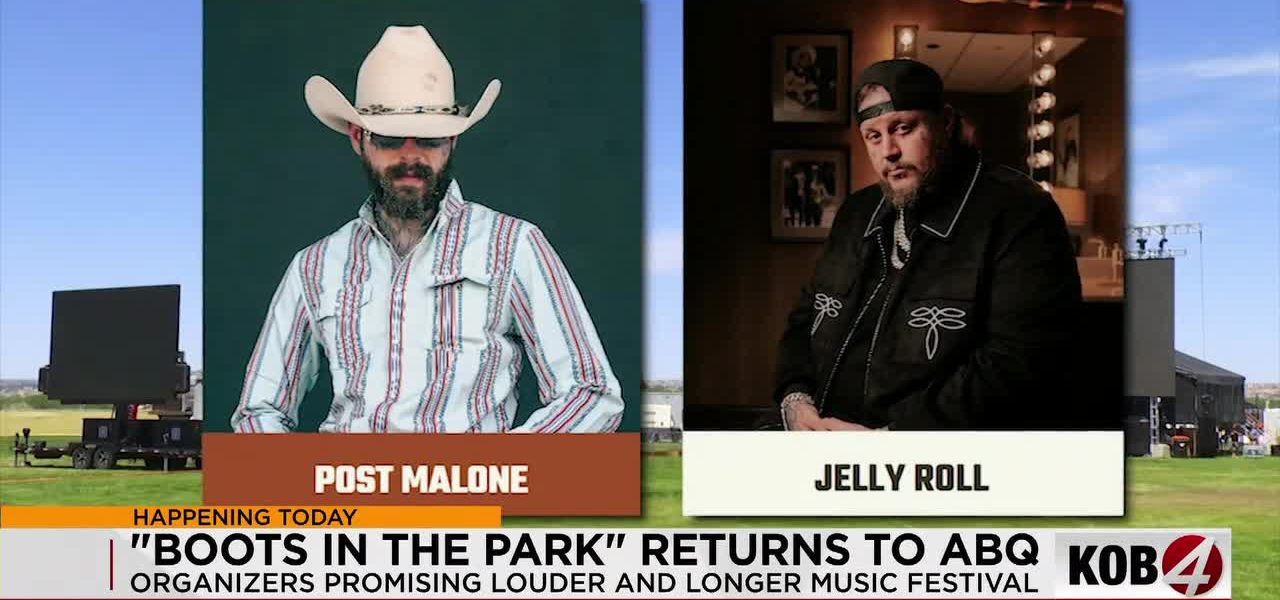
POLICY WIRE — ALBUQUERQUE, N.M. — It’s a strange juxtaposition, isn’t it? The high desert, famous for hot air balloons and atomic secrets, now a temporary stomping ground for 60,000 boots and beats. We’re not talking about another New Mexico political spat, mind you. No, this weekend, Albuquerque transforms its sprawling Balloon Fiesta Park into an unlikely temple for pop-country crossover, hosting a mega-festival that city leaders are banking on as a major economic shot in the arm. The air here usually carries whispers of ancient cultures, or perhaps the drone of fighter jets. But this weekend? It’ll be the thumping bass of Jelly Roll — and Post Malone.
It’s ‘Boots in the Park,’ back for its third — and reportedly biggest — iteration. Organizers, you see, are going for broke. Two stages now, — and sound levels amplified enough to rattle haciendas blocks away. And city officials, perhaps eager for the tax receipts, signed off on later hours, essentially letting the party run wilder and longer into the desert night. Bonnie Marquez, a veteran organizer with Activated Events, speaks with the practiced zeal of someone orchestrating a controlled explosion. “We’re going bigger, multiple stages. You can practically feel the energy as we put the final touches on it,” Marquez told Policy Wire, gesturing vaguely toward a towering temporary structure. “It’s about an immersive experience now. Whiskey tastings, expanded mixology, a line dancing tent that’s simply enormous. We’re creating something memorable.”
Creating something memorable, — and hopefully, profitable. The promise of an economic bonanza from large-scale events like this often fuels local governments’ willingness to loosen restrictions. This festival alone, with its estimated 60,000 attendees, projects a significant short-term boost. The U.S. Travel Association reported that overall travel — and tourism generated over 1.1 trillion U.S. dollars in economic output in 2023, with events like ‘Boots in the Park’ forming a crucial, if noisy, part of that equation. But beyond the immediate dollars and cents, there’s always a delicate calculus for cities embracing such spectacles. Traffic snarls become epic. The demands on emergency services? Exponential. Because when you invite a small city’s worth of revelers, every municipal service gets tested.
Councilwoman Sarah Jenkins, whose district abuts parts of the festival grounds, sounded a familiar note of cautious optimism. “Look, we welcome the economic activity. It’s a definite boon for our hospitality sector, no denying that,” Jenkins remarked, her tone balancing civic pride with the inherent anxieties of public office. “But it’s our responsibility to ensure public safety, manage waste, — and protect the peace for our residents. It’s always a balancing act – attracting visitors without sacrificing the unique character that draws them here in the first place.” Her words echo sentiments often heard in diverse metropolises, from Karachi to Kuala Lumpur, wrestling with similar dynamics of economic development and community preservation in the face of burgeoning tourism. Consider how Lahore, Pakistan, navigates the bustling throngs for its annual Urs festivals — a different kind of public gathering, yes, but still a masterclass in crowd control and infrastructure strain. The scale differs, the cultural beats divergent, but the logistical headaches? Universally similar.
Indeed, one wonders what the global traveler — say, someone whose cultural touchstone might be the raucous energy of Eid bazaars in Bangladesh or the more sedate qawwali nights in Delhi — makes of this particular brand of American cultural outpouring. Is it an alien landscape of sound — and spectacle, or does the sheer collective effervescence strike a universal chord? Perhaps the human need for grand, communal experiences transcends genre, language, or even continental divide. It’s just that here, in New Mexico, it comes with a strong whiff of tequila — and a very big Stetson.
📄 POLICY WIRE WHITEPAPER PUBLISHED: PAKISTAN'S NATIONAL SECURITY POLICY PRIORITIES
👉 READ BY CLICKING HEREWhat This Means
Albuquerque’s continued embrace of ‘Boots in the Park’ reflects a broader civic strategy: positioning itself not merely as a scenic stopover but as a destination for large-scale entertainment. It’s an interesting move for a city that, historically, hasn’t been synonymous with blockbuster music festivals. This aggressive pursuit of ‘event tourism’ means potential windfall for hotels, restaurants, and ancillary services, which city leaders, like Mayor Keller, are undoubtedly keen to parade as evidence of economic vitality. However, the long-term implications are less clear.
But there’s a cost. Strain on public services, particularly sanitation — and policing, rises with each additional body. Albuquerque has grappled with its share of resource challenges; throwing a multi-day party for tens of thousands of people merely amplifies them. Does this kind of high-impact, fleeting tourism genuinely integrate into the local economy, creating sustainable jobs, or does it merely siphon off seasonal labor and tax dollars while leaving residents to contend with the aftermath? And culturally, while it brings new faces and sounds, does it dilute the local, indigenous identity the city prides itself on? These are not trivial questions, particularly as cities worldwide—from bustling Delhi to a Baltimore pondering the future of its historic racetracks—weigh the siren song of global entertainment against the quiet needs of their permanent populations. It’s a delicate dance, often performed on very dusty ground.