
Azure Shores, Global Strains: Italy’s Blue Flag Boom Belies Deeper Environmental Fights
POLICY WIRE — Rome, Italy — Another summer, another tranche of Italian beaches adorned with that coveted blue pennant. The Blue Flag, a symbol of environmental purity and exemplary service, now...

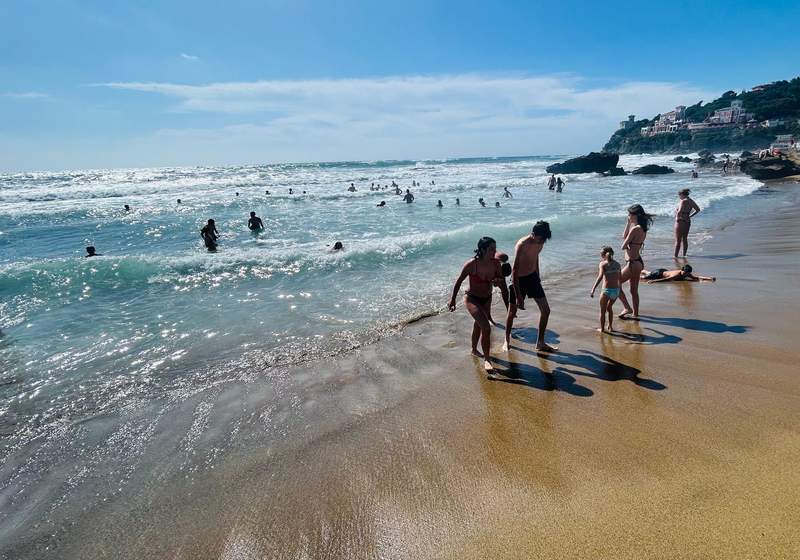
POLICY WIRE — Rome, Italy — Another summer, another tranche of Italian beaches adorned with that coveted blue pennant. The Blue Flag, a symbol of environmental purity and exemplary service, now flutters proudly over 525 stretches of Italy’s famed coastline. It’s a nice story, isn’t it? A feather in the cap for a nation perpetually pitching its postcard perfection to the global vacationer. But look a little closer—scratch beneath that shimmering cerulean surface—and you’ll find a tougher, more complex reality.
It isn’t just about sparkling waters — and trash-free sand. This annual ritual of accreditation—bestowed by the Foundation for Environmental Education (FEE)—is less an achievement and more a relentless, year-round battle. It’s a contest waged against pollution, against unchecked development, against the sheer, overwhelming tide of humanity determined to enjoy Italy’s shorelines. And because tourism isn’t just a leisure activity here; it’s an economic behemoth that keeps the lights on across countless coastal communities, these flags represent cold, hard cash.
They’ve added 27 new locations to the prestigious list this year. That’s growth. Steady, deliberate growth, often spurred by local municipalities betting their fortunes on discerning holidaymakers. It means better wastewater treatment, meticulous waste management programs, — and clearer information for beachgoers. It means, frankly, that you’re less likely to step on a rogue plastic bottle and more likely to pay a premium for your umbrella.
Italy’s Minister of Tourism, Daniela Santanchè, doesn’t mince words when discussing the numbers. “Every Blue Flag isn’t just an award, it’s an investment, a direct pathway to more bookings and more jobs,” she recently told reporters, a pragmatic gleam in her eye. “We’re not just selling sunshine; we’re selling trust, cleanliness, — and an experience families will pay handsomely for. Our competitive edge—it’s got to be pristine.”
But the real costs are astronomical, not just financially, but in terms of political will. Getting a Blue Flag isn’t a one-time thing. You maintain it, or you lose it. It forces towns to upgrade infrastructure, to educate residents and visitors alike on sustainability, and to generally perform at a higher level than their un-flagged neighbors. This commitment, ironically, often comes with an unspoken burden: ensuring that those beautiful beaches remain accessible, not just for the jet set, but for everyone. Because sometimes, when things get too pristine, they also become a little too exclusive.
Consider the broader picture. While Italy polishes its coastal crown jewels, much of the world grapples with far more existential questions about its marine environments. Take, for instance, Pakistan’s extensive Arabian Sea coastline. From Karachi’s sprawling urban shores to Gwadar’s nascent port developments, communities are often contending with rampant industrial pollution, sewage discharge, and unchecked debris, making the very concept of a ‘pristine’ public beach a distant dream for most. They’re facing challenges that go far beyond aesthetic quality, battling health crises linked to contaminated water and rapidly eroding ecosystems. It’s a stark contrast: a high-stakes struggle for environmental basic survival versus Italy’s relentless pursuit of environmental perfection for commercial gain.
📄 POLICY WIRE WHITEPAPER PUBLISHED: PAKISTAN'S NATIONAL SECURITY POLICY PRIORITIES
👉 READ BY CLICKING HEREAnd it’s a model not easily replicated. A recent report by the UN Environment Programme highlighted that over 60% of developing nations’ wastewater flows untreated directly into marine environments, often exacerbated by rapid population growth and insufficient infrastructure funding. Italy, with its centuries-old tourism machine, can afford the upfront costs — and sustained efforts. Many others simply can’t.
Not everyone cheers unequivocally. Francesca Rossi, an activist with the Italian environmental group ‘Mare Pulito’ (Clean Sea), offers a more cautious perspective. “These flags are important, yes. But they’re a symbol, not the full story,” she argued, her voice firm. “We mustn’t forget the work needed inland, or the pressures of climate change that threaten even our best efforts. It’s a continuous vigilance—because the sea doesn’t just care about pretty flags; it cares about what we pour into it.” And she’s got a point. Even Italy’s blue flag triumphs can’t wholly protect against global warming’s relentless creep, changing currents, or extreme weather.
What This Means
The expansion of Italy’s Blue Flag list isn’t just a triumph for tourism; it’s a policy statement. It signals Rome’s unwavering commitment to environmental quality as a strategic economic asset. Politically, these awards grant local administrations significant bragging rights and leverage, allowing them to attract state funding for further environmental projects and solidify their regional identities as premier destinations. It’s also an unspoken reassurance to the global luxury tourism market—that Italy still knows how to do things right, or at least how to certify that things are right. Economically, Blue Flag status demonstrably correlates with increased visitor numbers and higher spending, particularly among European and North American tourists who value sustainability and cleanliness. It ensures Italy maintains its edge in an increasingly competitive global travel market. But it also creates a subtle, almost cynical, form of environmental inequality, highlighting the vast disparities in resources and priorities between affluent nations and those struggling with basic environmental mandates, particularly in places like parts of South Asia. It’s a localized win that masks a global environmental malaise, making Italy’s shimmering coasts an emblem of both achievement and the wider world’s desperate struggle.