


Shadow Games on the Baltic: NATO’s Latest Flex Signals More Than Just Readiness
POLICY WIRE — Rīga, Latvia — The frigid Baltic waters have barely settled, yet the echo of simulated battle still hangs heavy in the northern air. Another massive NATO drill, an intricate dance of...

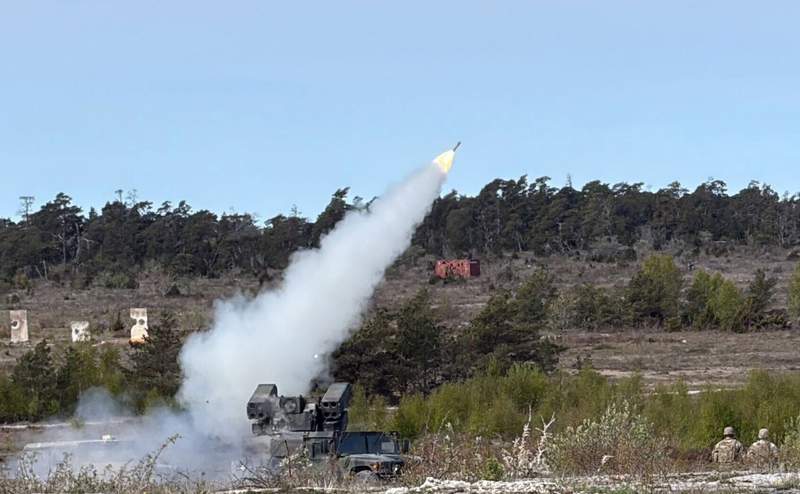
POLICY WIRE — Rīga, Latvia — The frigid Baltic waters have barely settled, yet the echo of simulated battle still hangs heavy in the northern air. Another massive NATO drill, an intricate dance of warships and warplanes designed to rehearse the unthinkable, has wrapped up, leaving behind not just well-exercised troops but a palpable ripple of unease across the continent. It wasn’t merely a practice run; it was a loud, expensive exclamation mark on a geopolitical sentence Moscow can’t ignore, but neither can Washington’s allies far beyond Europe’s frostbitten frontiers.
Nobody’s openly calling it a dress rehearsal for war, but come on—what else do you call thousands of personnel, dozens of ships, and all the attendant airpower converging in an area simmering with historical animosities? The official line? Enhanced interoperability, collective defense. But underneath that bland institutional speak, there’s the distinct clang of swords being rattled, not so much subtly, but with a weary resignation that this is where we’re at, again. And it costs a pretty penny, believe you me.
It’s no small secret that this whole endeavor points an accusing finger directly at Russia. The recent expansions of NATO to include Finland and Sweden—nations that spent decades honing a precarious neutrality—have utterly reshaped the Baltic Sea’s strategic chessboard. Moscow considers these moves profoundly escalatory. NATO, conversely, sees them as perfectly sensible defensive adjustments to an increasingly truculent neighbor. Call it what you want, but the mood out there isn’t exactly chummy.
“This exercise isn’t just about maneuvers; it’s about making plain that collective defense isn’t a theory, it’s a living, breathing commitment. Nobody’s got an interest in testing that,” stated NATO Secretary General Jens Stoltenberg, speaking from Brussels, his tone carrying the weight of decades of careful diplomacy, but now, a harder edge. Because let’s be real, he’s seen this movie before.
The sentiment on the front lines, particularly from nations scarred by Soviet occupation, is even sharper. “We’ve seen empires rise and fall in these waters,” remarked Estonian Prime Minister Kaja Kallas, her voice tinged with steely resolve. “For us, every drill is a reminder that freedom’s never a given. It’s paid for, every day, in vigilance—and in hard cash, I might add.” You don’t have to strain to hear the quiet threat embedded in her words.
These exercises also demand a serious resource drain. Recent NATO figures indicate that while only 11 of 32 member states currently meet the 2% GDP defense spending target, collective expenditure on training and readiness has seen a significant uptick—nearly 15% in real terms since 2022. That’s a lot of spare change going into bullets — and fuel. But is it enough?
What This Means
📄 POLICY WIRE WHITEPAPER PUBLISHED: PAKISTAN'S NATIONAL SECURITY POLICY PRIORITIES
👉 READ BY CLICKING HEREPolitically, this continued European focus by NATO shifts the alliance’s center of gravity eastward, potentially stretching resources and attention away from other theatres. For a nation like Pakistan, constantly balancing regional rivalries—from its protracted dance with India to the volatile western border with Afghanistan—this grand display of Western military solidarity serves as a peculiar blueprint. How do other strategic blocs, particularly those in the Muslim world facing their own intricate security dilemmas, interpret such explicit demonstrations of combined force? They’re watching, weighing their own options, understanding that alliances, however complex, can sometimes mean the difference between deterrence and destruction.
Economically, the sustained defense buildup presents a mixed bag. Boosts for arms manufacturers, sure, but also a continued diversion of national budgets from social programs, infrastructure, or environmental initiatives. It’s a bitter pill to swallow when you’re telling your populace to tighten their belts, but then drop billions on submarine exercises. The implication is clear: peace isn’t free, and neither is the show of force required to maintain it—or prevent its unraveling. the constant churn of instability on Europe’s flank means a global investor’s eye keeps one wary look fixed on the region. Kyiv’s endless night is an expensive lesson for everyone.
And then there’s the long game. The U.S., despite its pivot to Asia, finds itself inextricably pulled back to its original raison d’être in Europe, reinforcing the transatlantic bond but also highlighting the continued vulnerability of some member states. Even Hungary, whose leader sometimes seems to enjoy poking the bear from within the alliance, understands the unspoken necessity of this collective defense. But they’re Budapest’s shifting sands in their own way, proving not everyone is always on the same page.
Ultimately, these exercises are a high-stakes, real-world poker game, played out with hardware — and lives. They tell us that while diplomatic pleasantries are exchanged, the core of geopolitical strategy remains what it always has been: the grim calculus of power, meticulously calculated and painstakingly demonstrated.