


Albuquerque’s Ash: A Tiny Blaze Exposes Urban Fragility & Global Threads
POLICY WIRE — Albuquerque, N.M. — It’s often in the hushed, twilight hours, when most of the city’s engines are winding down, that the unexpected erupts. For Albuquerque Fire Rescue, this week...

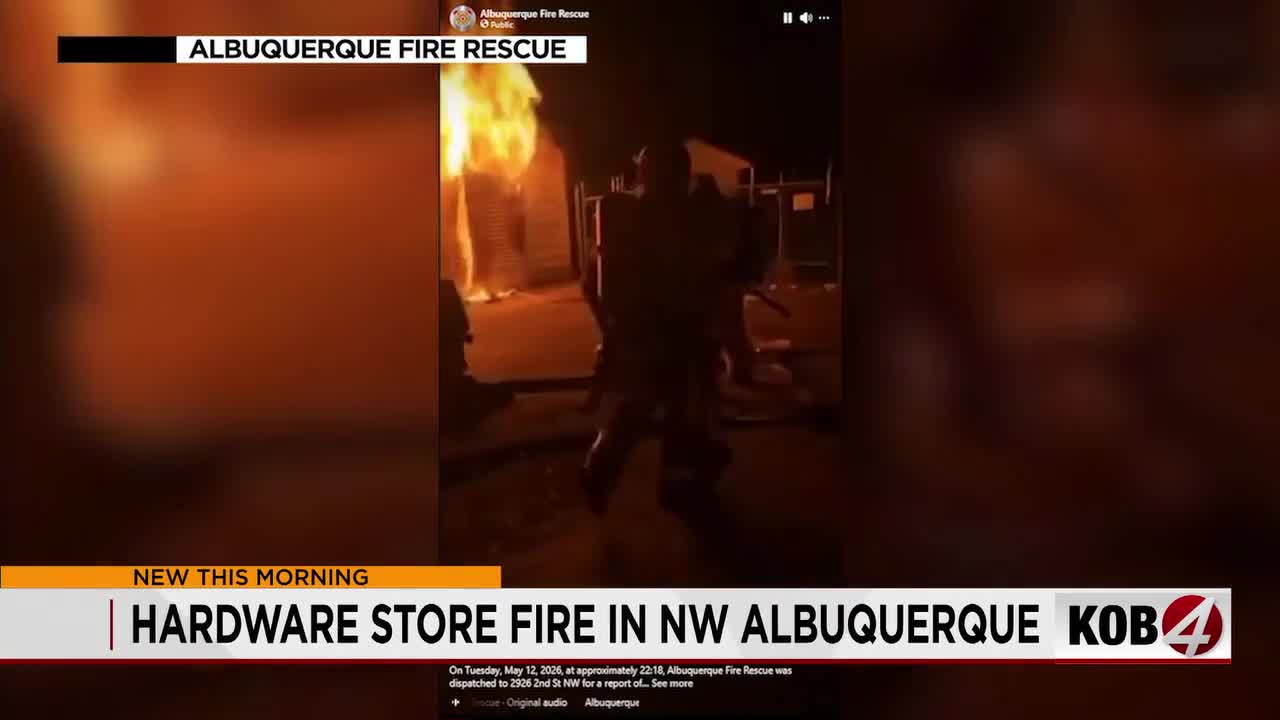
POLICY WIRE — Albuquerque, N.M. — It’s often in the hushed, twilight hours, when most of the city’s engines are winding down, that the unexpected erupts. For Albuquerque Fire Rescue, this week presented another late-night summons, a seemingly minor conflagration at a hardware store in the city’s northwest sector. Thirty minutes. That’s all it took for trained professionals to snuff out a blaze that, on the surface, felt like a Tuesday night footnote. But scratch a little beneath that scorched surface, and you’ll find a whole ecosystem — economic, social, even international — teetering on edges sharper than a fresh box cutter.
No heroic, rooftop rescues, no dramatic human cost, thankfully. The local AFR crew, accustomed to responding to reports ranging from wildfires kissing the Sandia foothills to minor kitchen mishaps, were on the scene just after 10 p.m., facing heavy smoke and visible flames. They contained the bulk of the damage to a sizable, detached garage — likely housing excess inventory, paint, perhaps a mountain of spare screws and lumber — before it could consume the entire structure. Nobody got hurt. Property, sure, but lives? Untouched. It’s the sort of story that typically gets a perfunctory mention, a paragraph buried deep in local crime logs.
But the lack of dramatic flair shouldn’t detract from the incident’s quiet resonance. Because these aren’t just businesses; they’re the sinews of a community. They’re often run by families, by individuals who’ve poured decades of sweat equity, who often exist on margins razor-thin in the best of times. An event like this, while quick to contain, triggers a cascading chain of issues — insurance claims, business interruption, supply chain re-evaluation, potential layoffs. It’s never just about the fire. It’s about the tremor it sends through a localized economy.
“Look, our crews perform flawlessly, always,” said Albuquerque Fire Chief David Aguilar in an off-the-record briefing earlier this week, reflecting on the quick containment. “Their readiness, their training, it’s what keeps incidents like this from becoming city-wide disasters. But you know, we’re always playing catch-up. Always fighting for resources to maintain that rapid response capacity when budgets tighten up like a drum.” It’s a perpetual tension, isn’t it? The expectation of excellence, battling the grim realities of public sector economics.
Because every dollar saved by an efficient emergency response system isn’t just about property. It’s about civic trust. But these smaller establishments — the mom-and-pop hardware shops, the local eateries — they’re especially vulnerable. Research suggests that over 40% of small businesses that experience a major disaster never reopen their doors. Think about that for a moment. Forty percent. That’s a devastating figure for a town where every local business provides jobs and keeps money circulating within city limits.
And where does a hardware store source its wares these days? Often from supply chains stretching across oceans. Think of the tools manufactured in Southeast Asia, the fasteners from India, specialized equipment from China. A loss here isn’t just a loss of local stock; it’s a tiny, almost imperceptible blip on a global logistics grid already strained by geopolitical tensions and shipping bottlenecks. Pakistan, for instance, remains a significant global exporter of surgical instruments and textiles, but its evolving industrial landscape means that supply lines for simpler goods, even those that stock hardware shelves, are often in flux. A single unexpected interruption, say a supplier in Karachi experiencing a customs delay, combined with a local fire depleting a retailer’s backup stock, can spell long-term trouble for even basic goods in a New Mexico town. You don’t often connect a local fire to distant port delays, do you?
“We can’t just stand by and watch our local enterprises struggle through these disruptions, big or small,” insisted City Councilwoman Sarah Benavidez, who has advocated for enhanced small business support initiatives. “The fire department did its job beautifully, of course. But the economic recovery? That falls to us, to the city, to make sure these folks can get back on their feet. Their survival is intertwined with our own city’s vitality.” It’s a point few would argue against, even if the solutions are anything but simple.
But as the soot settles and investigators pick through the wreckage for clues — the cause, as of writing, remains an open question, leaving a slight whiff of suspicion for the truly cynical among us — Albuquerque’s citizens will simply see a temporarily shuttered storefront. Policy makers, however, ought to see something much larger: a barometer of their own city’s robustness.
What This Means
The small hardware store fire, while contained swiftly, throws a spotlight on several interconnected challenges for Albuquerque and similar medium-sized American cities. Primarily, it underscores the persistent fragility of small businesses in an increasingly volatile economic climate. Rapid emergency response, while exemplary here, doesn’t erase the financial strain of rebuilding, potential loss of market share, and navigating often Byzantine insurance claims processes. Policy initiatives focused on post-disaster business continuity are more critical than ever, especially with rising material costs. And then there’s the underlying dependence on intricate global supply chains; even a local store’s inventory is now tied to distant political or logistical hiccups. Governments have got to think beyond just putting out the fire, literally, and consider how to help small businesses absorb these external shocks without collapsing. It’s about building a truly resilient urban fabric, one brick and one screw at a time, sourced from wherever the best deal or steadiest supply happens to be.