


Albuquerque’s Shifting Sands: Another Patch-Up for the Streets
POLICY WIRE — ALBUQUERQUE, N.M. — The high desert wind in Albuquerque carries the same old questions, doesn’t it? Questions about dignity, about survival, about what a city truly owes its most...

POLICY WIRE — ALBUQUERQUE, N.M. — The high desert wind in Albuquerque carries the same old questions, doesn’t it? Questions about dignity, about survival, about what a city truly owes its most vulnerable. For years, decades even, this place has grappled with the inescapable tableau of folks just trying to exist outside the established systems—their encampments, often as transient as the hopes they cling to, dotting the city’s forgotten corners. It’s a familiar, frustrating cycle: visible poverty, public outcry, then the civic announcement of a fresh, shiny, very important plan.
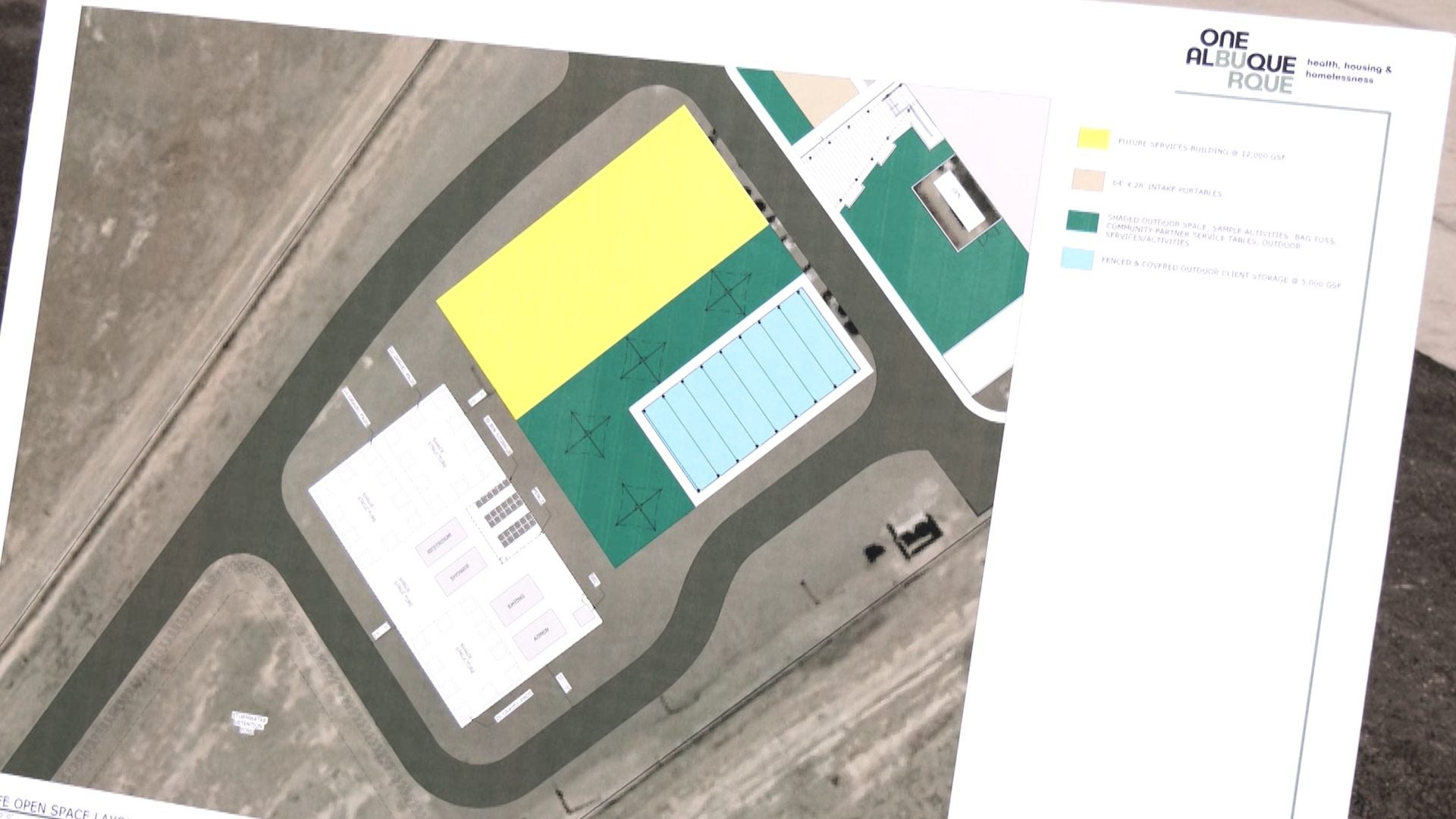
This time around, Mayor Tim Keller’s administration has unfurled its latest initiative: a “Safe Outdoor Space” right next to the existing Gateway West shelter. It’s not revolutionary; indeed, it’s a strategy we’ve seen rolled out in various forms in cities from Portland to Denver, with varying degrees of success. But Albuquerque, bless its bureaucratic heart, insists it’s charting its own path. The idea, we’re told, is to provide a semi-sanctioned place for people currently roughing it—folks not yet within the city’s sprawling network of services—to land safely. Call it an attempt to bring order to chaos, or at least to shunt chaos to a more convenient locale.
“If given the choice, people don’t want to sleep on sidewalks,” Keller reportedly stated, a sentiment as universally true as it’s often overlooked in policy formation. “They want humane options, safety, — and a path to something better.” Hard to argue with the sentiment, isn’t it? The question, as always, is whether this iteration delivers more than a freshly paved patch of tarmac and a new layer of red tape.
This “space” isn’t just a plot of land, though it certainly feels like it to some critics. It’s meant to be an integral component of the city’s broader “Gateway system of care”—a moniker that sounds suitably comprehensive for the era. Think emergency shelter beds, recovery housing, medical sobering, even case management — and housing navigation. But coordinating those services effectively—linking a new tent-dweller directly to, say, behavioral health connections without getting lost in the paperwork shuffle—well, that’s where the rubber often meets the policy-induced abyss. The plan also needs the City Council’s nod, naturally. Because nothing truly moves in city governance without a fresh round of public hearings — and parliamentary jousting.
Albuquerque isn’t alone in its predicament, of course. Globally, urban centers grapple with staggering internal migration and displacement, creating vast informal settlements and the perennial policy challenge of humanizing, and managing, what amounts to urban resilience on the margins. You see it in mega-cities like Karachi, Pakistan, where sprawling unplanned communities become the de facto living spaces for millions seeking economic opportunity or fleeing hardship—cities grappling not just with providing services, but with the sheer logistics of scale. There, too, ad-hoc solutions often precede comprehensive, planned development, an iterative struggle familiar to any municipal planner. But these problems, though distinct in scale and specific causality, possess a common thread: how do you give dignity and basic provision when resources are forever constrained and populations are ever-shifting?
“It’s a step,” offered Council Member Klarissa Peña, often tasked with addressing neighborhood-level concerns. “But we can’t mistake a designated outdoor zone for true, lasting housing solutions. We’re still treading water until the root causes are truly addressed—until affordable housing isn’t just a slogan, but a reality.” She’s not wrong. According to the U.S. Department of Housing and Urban Development’s Annual Homeless Assessment Report (AHAR), New Mexico had an estimated 3,770 people experiencing homelessness in January 2023. And for those numbers to decrease, you need more than a space; you need permanent places to live and the societal scaffolding to support folks through tough times.
It’s all part of the dance, isn’t it? The city providing an official nod to what’s, for many, an undeniable, uncomfortable fact of urban existence. These Safe Outdoor Spaces—often seen as a reluctant compromise—attempt to thread a needle between compassionate service provision and public order, acknowledging that people are going to be unsheltered while also trying to reduce the societal friction that comes with it. It’s urban fragility, writ small and large.
What This Means
Politically, Mayor Keller’s move is a clear attempt to demonstrate action on a highly visible, persistent civic problem. It helps project an image of a proactive administration tackling homelessness head-on, an important consideration for any politician eyeing future elections or legacy. But pragmatism suggests it’s a tightrope walk. Providing designated spaces can appease business owners and residents concerned about visible encampments, but it doesn’t solve the core issue of housing insecurity and poverty. Economically, while initial setup costs for such a space might be manageable, the long-term burden falls on ongoing service provision. It’s essentially an expansion of the existing care infrastructure, but without directly increasing permanent housing stock. This isn’t a cost-reduction strategy; it’s a managed-care strategy for an intractable problem, perhaps kicking the really hard, expensive fixes further down the road.
For Albuquerque’s social fabric, this means continued pressure on service providers, even with improved coordination. It signals the city’s ongoing struggle with providing dignity amidst a stark lack of resources and available housing, acknowledging a temporary solution rather than a fundamental systemic shift. This will undoubtedly prompt further debate in City Council regarding the ultimate efficacy of such approaches—questions that extend far beyond local borders into the complexities of policy and compassion itself.