


Europe’s Shifting Sands: Slovak Border Clampdown Fractures Alliance, Stirs Eastern Winds
POLICY WIRE — Bratislava, Slovakia — A casual Wednesday in Brussels. Policymakers, think tankers, and journalists — the usual suspects — were perhaps sipping their morning lattes, pondering the grand...

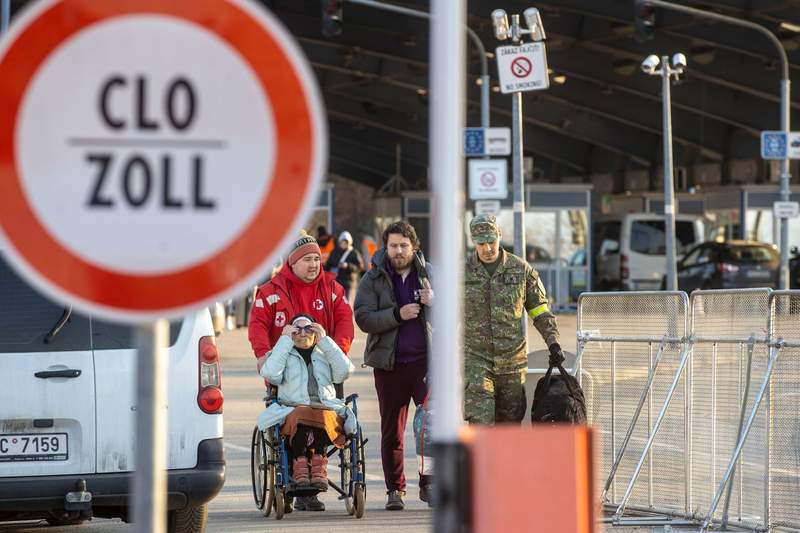
POLICY WIRE — Bratislava, Slovakia — A casual Wednesday in Brussels. Policymakers, think tankers, and journalists — the usual suspects — were perhaps sipping their morning lattes, pondering the grand narratives of European solidarity, Ukraine’s unshakeable resolve. Then, a quick flash of news: Slovakia, of all places, was slamming shut key border crossings with Ukraine. Not a full iron curtain, no, but enough of a crack to send shivers down the spine of anyone invested in a united front against Eastern aggression. And suddenly, those comfortable assumptions about unwavering support? Well, they’re looking rather threadbare now, aren’t they?
It wasn’t an isolated hiccup. Not by a long shot. The announcement, coming from Bratislava, had a familiar ring to it—a populist echo demanding domestic priorities take precedence, a palpable shift away from the grand narratives of collective European defense. This wasn’t some minor administrative tweak; it was a clear signal, and a deeply worrying one for Kyiv, as much as it was for Warsaw or Berlin.
Slovak Prime Minister Robert Fico, never one to mince words, offered a stark, unvarnished perspective. “Our first duty is to our own citizens. We’ve done our part, more than our part,” he stated during a televised address. “And when internal security, when the sheer burden on our infrastructure—and our social safety nets, frankly—becomes unsustainable, you act. Simple as that. We cannot be the dumping ground for every problem. It’s an economic reality.” Fico’s remarks laid bare a pragmatism that many in Western European capitals find uncouth, yet it resonates deeply with parts of his electorate, weary of economic strain and a perceived influx of unvetted individuals.
Ukrainian officials, understandably, bristled. Foreign Ministry spokesperson Oleg Nikolaenko expressed Kyiv’s profound disappointment. “This isn’t just about Slovakia; it’s about a collective front against aggression. Such moves send a regrettable message to our people, — and frankly, to our adversaries, at precisely the wrong moment. Our partners swore to stand with us, didn’t they? This sort of backsliding—it erodes confidence.” Nikolaenko’s voice, often measured, carried a discernible edge of frustration, painting a picture of a nation fighting for its life, only to see fences going up at its back.
Because, make no mistake, this isn’t just a squabble over truck traffic. It’s symptomatic of a much larger tremor beneath Europe’s veneer of unity. Countries grappling with the economic aftermath of the conflict, with shifting internal demographics, and with the perennial pressure of irregular migration are increasingly eyeing their own borders with suspicion. It’s a dynamic not dissimilar to what we’ve witnessed in other regions—take South Asia, for instance, where Pakistan’s complex border management with Afghanistan has long balanced geopolitical imperatives with the harsh realities of population movements. The playbook, you see, changes little, only the players — and the specific crises. Both regions struggle with state capacity — and the sheer logistics of managing thousands fleeing instability.
📄 POLICY WIRE WHITEPAPER PUBLISHED: PAKISTAN'S NATIONAL SECURITY POLICY PRIORITIES
👉 READ BY CLICKING HEREThe numbers don’t lie. Since the full-scale invasion, nearly 5 million Ukrainian refugees have sought temporary protection across Europe, according to UNHCR data from late 2023. Slovakia, while not taking the brunt of Germany or Poland, has certainly shouldered its share, alongside transit. But the perceived cost—whether fiscal or social—is beginning to fray patience. These decisions, usually cloaked in the dry language of security and migration policy, tell a bigger tale: of nations increasingly prioritizing their immediate interests over the kind of broad, aspirational internationalism that characterized the early responses to the conflict. It’s not just a physical barrier being erected; it’s a psychological one.
What This Means
This latest move by Bratislava isn’t an isolated incident; it’s a symptom, a visible crack in the European Union’s unified facade. Politically, it signals a deeper emboldening of nationalist-leaning governments across the bloc. Fico’s calculated actions, mirroring similar sentiments expressed in Hungary and sometimes Poland, chip away at the consensus required to effectively support Ukraine. For Brussels, it’s an uncomfortable spotlight on the fragility of collective action when domestic pressures mount, forcing leaders to weigh EU mandates against their own electoral survival. This could empower other hesitant member states, leading to further fragmentation of support packages, military aid, and even diplomatic efforts.
Economically, while the immediate impact on Ukraine’s vital trade routes and humanitarian corridors might seem manageable—alternative routes exist, after all—the symbolic blow is considerable. It could deter investment, complicate logistics for reconstruction aid, and generally add friction to an already overstretched supply chain. it reflects a growing ‘Ukraine fatigue’ among segments of the EU population, which has very real consequences for long-term economic commitments. A country’s perception of its neighbors as reliable partners is a significant, often unspoken, asset; actions like this devalue that asset. It shows just how brittle international relations can become, sometimes with little more than a snap decision to close a border post.