


Europe’s UAV Blind Spot: Why Brussels Is Still Scrambling for Air Defense Answers
POLICY WIRE — Brussels, Belgium — A drone, not much bigger than a supermarket shopping bag, slips through a nation’s airspace. It’s not a stealth bomber. No, this one likely...

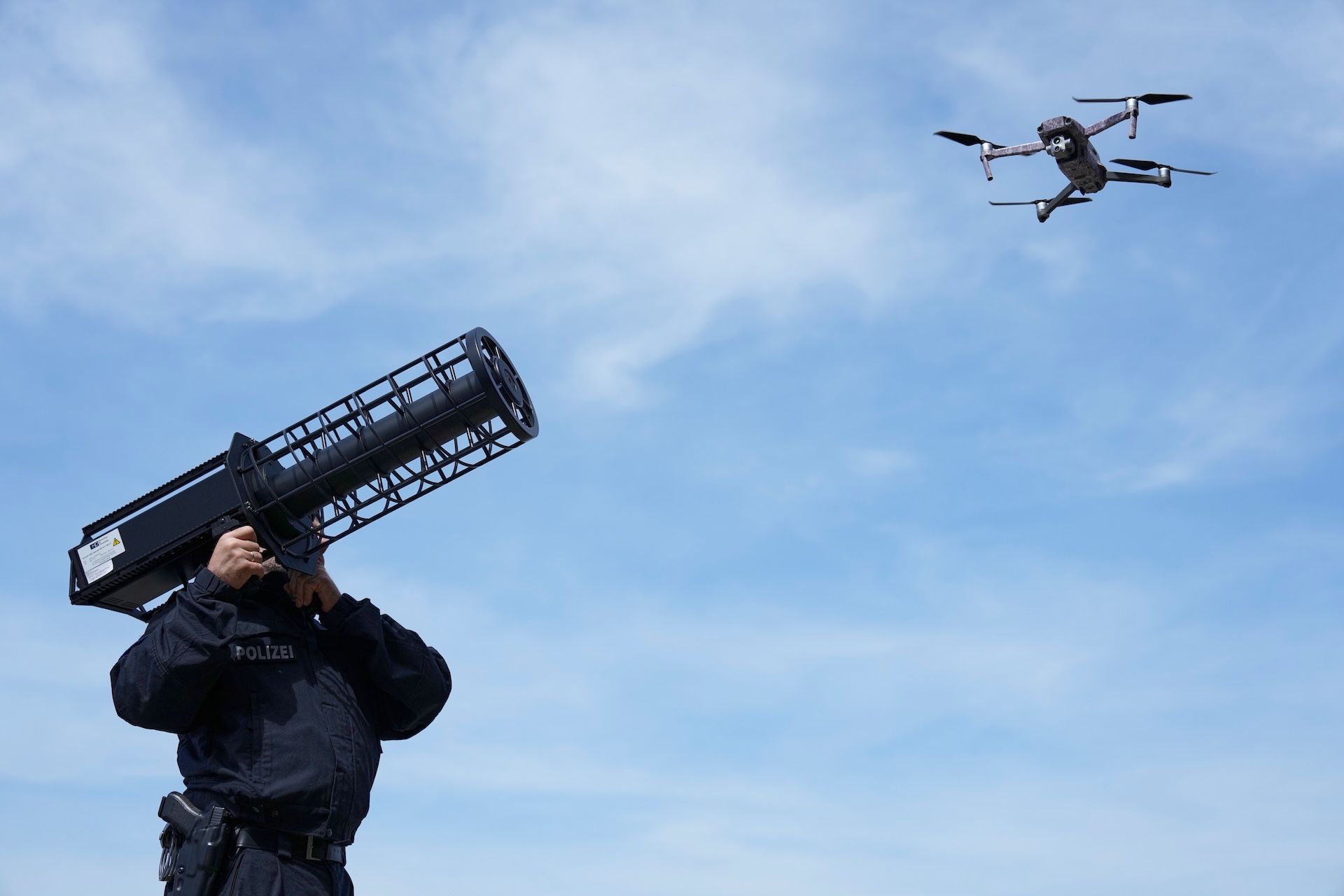
POLICY WIRE — Brussels, Belgium — A drone, not much bigger than a supermarket shopping bag, slips through a nation’s airspace. It’s not a stealth bomber. No, this one likely cost a few hundred euros online, modified in a garage. And that, frankly, is Europe’s — your — nightmare scenario, staring everyone in the face. Despite the screeching alarms from various battlegrounds, from the Levant to the Steppes of Eastern Europe, this continent seems content to bicker over common security blankets, not weave them.
Because, really, when you peel back the layers of high-level meetings — and polished pronouncements, what do you find? A patchwork. An expensive, sometimes ineffective, and deeply fragmented effort to guard against what’s rapidly becoming the most ubiquitous threat in modern warfare: cheap, accessible unmanned aerial vehicles. Governments are — how do I put it delicately? — reacting. Always reacting. They aren’t getting ahead of it.
It’s not about stopping some rogue state’s military-grade behemoth anymore. That was yesterday’s problem. We’re talking about commercial drones, weaponized with improvised payloads. Think about what we’ve seen from conflicts far removed from Brussels, like the protracted skirmishes along Pakistan’s western border regions, or the Red Sea. The Houthis, for instance, have turned readily available — and largely unsophisticated — drone technology into a disruptive force affecting global shipping lanes, forcing even advanced navies to fire multi-million dollar missiles at targets costing a fraction of that. You know, a deeply asymmetric problem, — and one European defense strategists still haven’t truly wrestled to the ground.
“We’ve spent decades building defenses against conventional threats, against supersonic jets and armored divisions,” lamented German Defense Minister Boris Pistorius in a recent parliamentary hearing, his exasperation clear. “Now, we’re asking our highly-trained soldiers to shoot down toy planes. This isn’t a problem of will, it’s a problem of doctrine, of procurement, and frankly, of imagination.” He’s got a point. But that imagination, it seems, remains firmly constrained by national interests — and entrenched bureaucratic processes.
The numbers speak volumes, too. According to a 2023 report by the RAND Corporation, the global counter-drone market is projected to reach approximately $13.5 billion by 2030, a direct response to the explosion in UAV proliferation. And yet, coordination on *actual* European counter-drone procurement or integrated air defense architecture? Scarce. It’s like every country wants its own specialized fire department for the same exact blaze. A ludicrous setup, if you ask me, guaranteeing blind spots. You’d think after years of geopolitical tremors, something would actually stick.
And so, we have the EU’s latest, somewhat predictable, push for ‘enhanced cooperation.’ Ursula von der Leyen, President of the European Commission, recently stated — though, she usually sounds a bit more optimistic than this — “Our continent simply cannot afford to maintain fragmented defense systems in the face of increasingly sophisticated and readily available drone technology. The era of ‘nice-to-have’ interoperability is over. It’s a ‘must-have’ now, for our very sovereignty.” Noble words. But translating them into action, across 27 sovereign nations with divergent priorities and defense industries clamoring for contracts, that’s another matter entirely. It always is.
Some call for a unified European Air Defence initiative. Others advocate for closer bilateral deals. But the truth is simpler and uglier: many nations haven’t even adequately assessed their own vulnerabilities, let alone contemplated a collective solution beyond a few press releases. Meanwhile, commercial drones — the kind you can buy on Amazon — just keep getting better, cheaper, and smarter. For Europe, facing inflation’s relentless shadow (read more here about its economic reverberations) and stiff competition, this isn’t just about defense; it’s about industrial competitiveness too.
What This Means
The continent’s reluctance to form a cohesive, integrated anti-drone strategy signals deeper maladies than just a security blind spot. Politically, it showcases a persistent struggle with true European integration — an almost ingrained hesitancy to cede national control, even in matters of existential defense. It means that while policymakers pontificate, critical infrastructure (power grids, ports, even sporting events) remains disproportionately exposed to low-cost, high-impact attacks. Economically, this fragmentation isn’t just inefficient; it’s a drain. Individual nations duplicating R&D efforts and purchasing disparate systems artificially inflates costs and stifles innovation. Worse, it hobbles the European defense industry’s ability to compete globally against more agile, often state-backed, competitors. Unless Brussels finds a way to move beyond platitudes and truly marshal its collective resources, Europe risks becoming a laboratory for future asymmetric threats, demonstrating exactly how unprepared even a wealthy, technologically advanced bloc can be when it refuses to genuinely cooperate. The stakes couldn’t be clearer: it’s either collective security or an increasingly permeable skyline. Your choice, Europe. But don’t wait too long.