

The Enduring Echoes of Influence: Netanyahu, Media, and the Political Scoreboard
POLICY WIRE — Jerusalem, Israel — It’s a familiar dance, this one, playing out in the high-stakes theatre of Israeli politics: another round of questions regarding media influence, another resolute...

POLICY WIRE — Jerusalem, Israel — It’s a familiar dance, this one, playing out in the high-stakes theatre of Israeli politics: another round of questions regarding media influence, another resolute denial from its longest-serving prime minister. The persistent chatter around Benjamin Netanyahu’s alleged role in orchestrating understandings between rival news giants, specifically in 2009, bubbled up yet again this week. It isn’t just about an old headline; it’s about the ever-present tug-of-war between power and the Fourth Estate—a narrative that’s never really put to bed, is it?
For years, the whispers have morphed into court proceedings, revolving around accusations that Netanyahu—or those operating on his behalf—attempted to leverage media outlets. The gist, if you boil down the complex web, suggests an effort to curb the reach of *Israel Hayom*, a newspaper often seen as overtly supportive of Netanyahu, in exchange for more favorable coverage from its chief competitor, *Yediot Aharonot*. It’s a tale as old as modern political media: quid pro quo for good press.
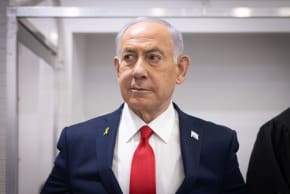
And now, Mr. Netanyahu himself has, predictably, dismissed the renewed scrutiny, calling it “another politically motivated distraction engineered by those who can’t beat me at the ballot box.” He’s tired of it, he claims, insisting he’s always prioritized Israel’s security over some petty squabble between publishers. His statement feels worn, like a comfortable, if threadbare, old sweater. He’s honed this particular defense to a fine edge over years of legal battles — and public inquiries.
But the ghosts of 2009, specifically those alleged “understandings,” keep haunting the corridors of power. These weren’t fleeting emails or hurried phone calls, proponents of the claims say. They suggest a deliberate effort to shape public discourse. And, frankly, for a political operator as shrewd as Netanyahu, such an attempt isn’t entirely beyond the realm of speculative possibility, is it? One doesn’t reach his political stature by being naive about media power.
“We aren’t just talking about a prime minister here; we’re talking about the systematic manipulation of public information for personal gain,” noted Professor Nurit Cohen, a senior legal scholar specializing in media ethics at Bar-Ilan University. “These allegations, denied or not, speak to a troubling culture where the lines between political office and journalistic integrity get very, very blurry. It erodes trust. That’s a high price.”
The timing of these recycled accusations—always a telling factor in Middle Eastern politics, mind you—isn’t random. Israel’s political climate remains perpetually turbulent, often bordering on existential. Any story that chips away at the public image of its leader gains traction, feeding into the wider narrative of a nation deeply divided, even over something as fundamental as the integrity of its press. Democracy’s quiet erosion isn’t just a Tennessee problem; it’s a global concern, especially when media is involved.
📄 POLICY WIRE WHITEPAPER PUBLISHED: PAKISTAN'S NATIONAL SECURITY POLICY PRIORITIES
👉 READ BY CLICKING HEREConsider the broader region. From Ankara to Islamabad, state-media dynamics — and the independence of the press are perpetual talking points. In Pakistan, for instance, public trust in media organizations has been a roller-coaster, often mirroring the political stability (or instability) of the moment. Allegations of state-sponsored influence on news outlets, whether true or not, carry significant weight, impacting both domestic perceptions and international relations. When a leader like Netanyahu is embroiled in such accusations, however vehemently denied, it doesn’t exactly project an image of robust, transparent governance to nations across the Muslim world. It feeds into existing cynicism about how power operates. Transparency? Accountability? It seems optional to many. Indeed.
It’s worth remembering that these debates over media impartiality aren’t abstract academic exercises. They influence how a population understands its leaders, its policy decisions, — and even its place in the world. Recent data from the Reuters Institute for the Study of Journalism indicates that trust in news in Israel stood at just 30% in 2023—among the lowest rates globally—underscoring a deep societal skepticism, undoubtedly amplified by persistent political-media sagas like this one.
“They call it democracy, but when the narrative is so overtly shaped, what’s left of free thought?” an unnamed analyst grumbled, pointing a finger at a pervasive trend. It’s hard to argue with that sentiment, isn’t it?
What This Means
This recurrent narrative, Netanyahu’s perennial denials notwithstanding, casts a long shadow over Israel’s democratic credentials and political culture. Economically, a media landscape perceived as compromised can deter foreign investment, particularly in sectors requiring strong transparency and independent oversight. The sheer weight of such allegations, and their constant recirculation, signifies more than just another political spat. It speaks to a profound — and ongoing battle for the soul of public discourse. Politically, for Netanyahu, every denial, however forceful, acts as a subtle reminder of the ‘file 2000’ saga that has haunted him through multiple elections. It energizes his opposition and, critically, feeds into the broader electorate’s fatigue with what they perceive as perpetual scandal. For a nation grappling with profound security challenges, this internal media warfare only adds another layer of instability. Just as environmental pressures can exacerbate regional frictions, these political pressure points deepen societal fissures, making consensus an even more elusive prize. Ultimately, it’s a situation where everyone loses, even the winner.