


Atlantic’s Brutal Embrace: Eleven Rescued, Exposing the Bureaucracy of Luck
POLICY WIRE — Washington D.C. — They were just eleven people. Just another set of weary travelers crossing a vast, indifferent ocean. But their plunge into the chilling Atlantic wasn’t some...

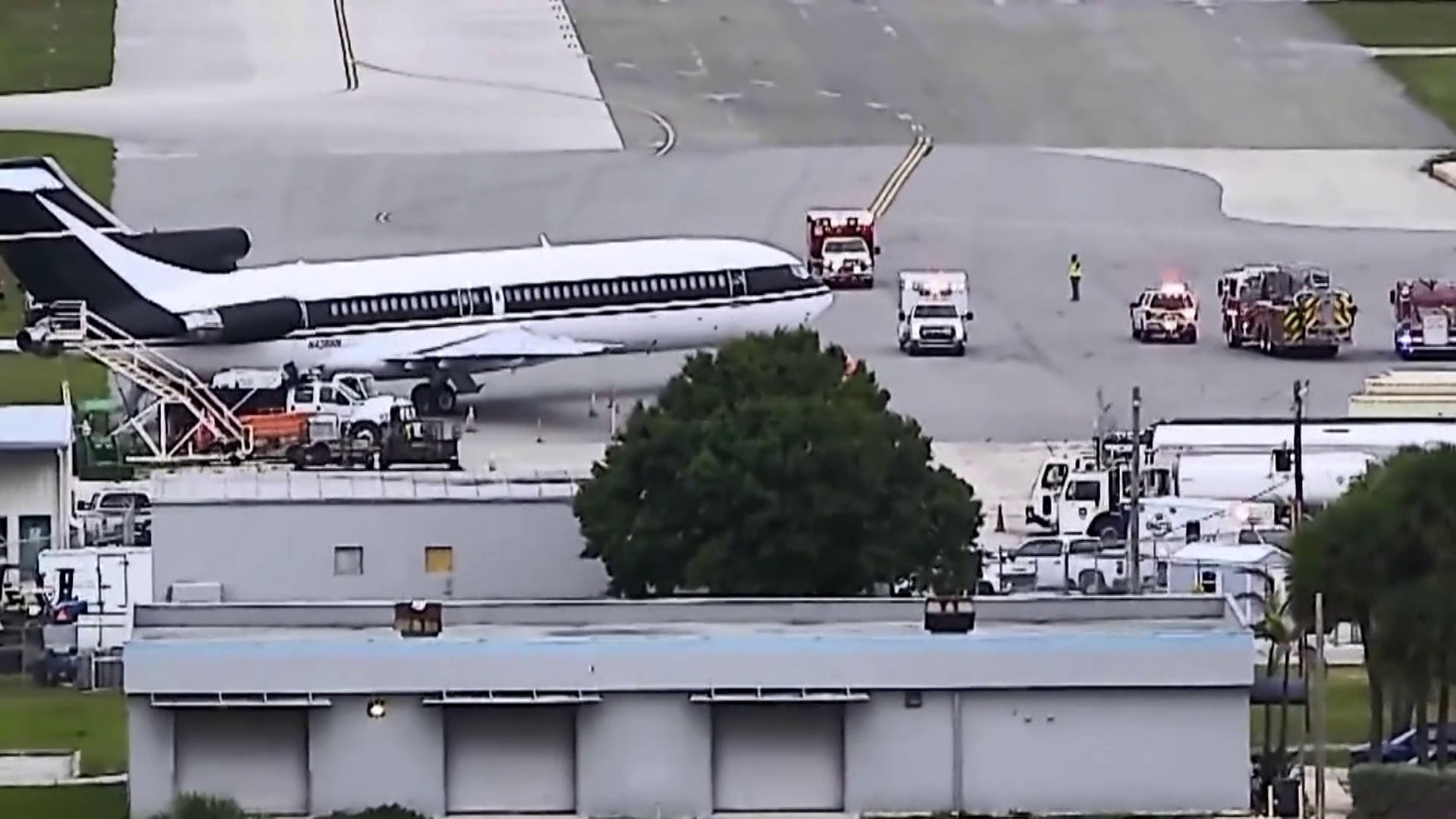
POLICY WIRE — Washington D.C. — They were just eleven people. Just another set of weary travelers crossing a vast, indifferent ocean. But their plunge into the chilling Atlantic wasn’t some dramatic spectacle ending in widespread despair; it wrapped up neatly, quietly, in an almost bureaucratic triumph. All eleven passengers aboard a small, twin-engine aircraft, destination unconfirmed, found themselves not at their intended waypoint, but rather bobbing in frigid waters. Yet, miraculously, every single one of them was pulled out alive, a clean sweep against the odds that — let’s be honest — happens less often than Hollywood pretends.
It’s easy to call it luck. An act of providence. But for those watching the numbers, those who sign the cheques and choreograph these oceanic ballets of rescue, it’s something far less romantic. It’s an intricate, profoundly expensive, — and exhaustingly practiced routine. You see the flashing lights, you hear the choppers, but you don’t always grasp the sheer industrial effort — the sheer will of capital and infrastructure — that goes into snatching lives from the deep.
“We don’t count on miracles; we train for inevitabilities,” declared Rear Admiral Ben Carter of the U.S. Coast Guard, his voice flat with the experience of too many less fortunate outcomes. “A plane goes down, it’s not ‘if’ we respond, it’s ‘how fast’ and ‘how efficiently.’ These eleven lives weren’t just saved by chance; they were beneficiaries of protocols drilled relentlessly, equipment maintained painstakingly, and personnel who make split-second decisions under insane pressure.” It’s a pragmatic view, stripped of any romantic fluff.
Because that’s the thing: modern safety isn’t cheap. A 2022 analysis by the U.S. Department of Homeland Security found the average cost for a single-day, medium-scale maritime search and rescue operation in U.S. waters can easily top $250,000, factoring in air assets, cutters, — and personnel. And that’s just an average. This one, with multiple agencies, extended search parameters, — and complex recovery, likely nudged far past that mark. Who pays for that? We all do, ultimately.
And when a similar mishap occurs in regions with less robust infrastructures—say, off the coast of Balochistan, where maritime patrols are thinner, budgets are tighter, and political will might be diverted to more immediate land-based crises—the outcomes aren’t always so sanguine. The very success of this Atlantic rescue acts as a grim benchmark, implicitly reminding us of the privilege inherent in being lost in waters bordered by countries capable of such rapid, decisive action. Consider the logistical nightmares faced by countries attempting equivalent large-scale operations in parts of the Indian Ocean or the Persian Gulf; the contrast is stark. (And it really makes you think about South Asia’s resource crunch in other areas too, doesn’t it?)
But the public doesn’t much care for such dispassionate dissections when good news is on the menu. A rescue is a rescue, and eleven smiling faces after a brush with watery doom are a welcome respite from the usual torrent of grim headlines. Transport Safety Board veteran, Evelyn Chen, mused, “When everything works like it’s supposed to, that’s when people forget the entire system exists. No headlines about years of safety improvements, no kudos for mundane, regular maintenance. Just ‘they got lucky.'” Her dry chuckle was almost audible through the phone line.
It’s not just the hardware — and the humans, either. It’s the sophisticated weather forecasting, the satellite tracking, the instantaneous communication systems. It’s an entire ecosystem of prevention — and response, layered and redundant. We’re talking millions upon millions of dollars in sustained investment, year after year, just so those occasional, terrifying moments of crisis don’t turn into full-blown tragedies for want of a properly funded Coast Guard or an adequately stocked search-and-rescue inventory.
What This Means
This incident, quickly labeled a ‘miracle’ by less discerning media, provides a peek into the increasingly costly calculus of global safety. It isn’t a fluke that everyone survived; it’s a cold, hard reflection of nations investing heavily in capabilities that pay dividends only in their absence – the absence of mass casualties. Economically, this isn’t just about saving lives; it’s about safeguarding trade routes, tourism, and a broader sense of confidence in transoceanic travel. Politically, successful, high-profile rescues bolster public faith in governmental competence and agency effectiveness, even if those agencies often fight for budget allocations behind closed doors. And it’s a stark reminder that while technology advances, human vulnerability persists. The real takeaway here isn’t the survival of eleven, but the staggering, understated cost of modern vigilance – a cost often invisible until catastrophe rears its ugly head. Or, rather, almost does. This ongoing commitment to complex global safety frameworks also has interesting parallels to the economics of protecting celebrity digital stages, albeit with far graver stakes.