

Poland’s Gas Gambit: Tusk’s Tricky Tango with Inflation and Voter Angst
POLICY WIRE — Warsaw, Poland — It’s a game politicians play often, a well-worn playbook: when the pump prices pinch and constituents grumble, you toss ’em a bone. So it goes...

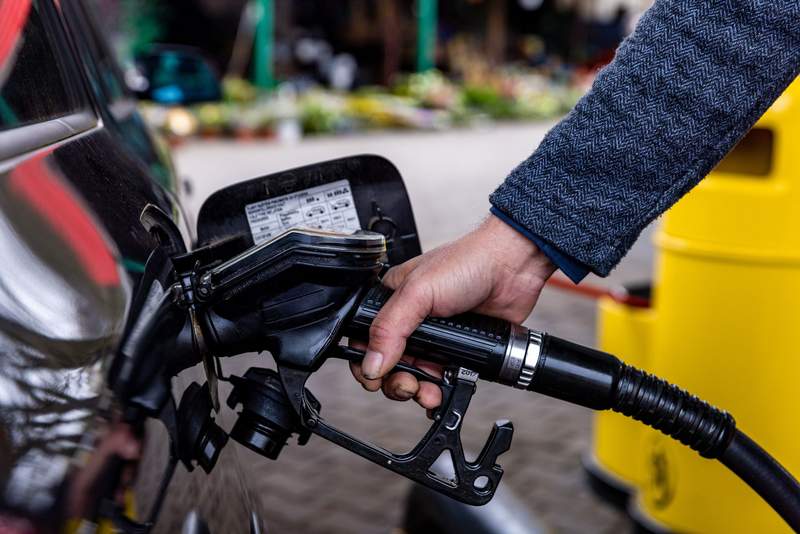
POLICY WIRE — Warsaw, Poland — It’s a game politicians play often, a well-worn playbook: when the pump prices pinch and constituents grumble, you toss ’em a bone. So it goes in Poland, where the government has — surprise, surprise — decided to prolong its fuel tax relief through the close of May. It’s less a groundbreaking policy shift and more of a predictable, almost weary nod to economic realities and, let’s be honest, impending political calculations.
But this isn’t just about drivers saving a few zloty. Not really. This move, a seemingly straightforward extension of an anti-inflationary shield, reveals a far more complex dance between governmental aspirations and a public feeling increasingly battered by economic headwinds. It’s a temporary balm for deeper anxieties, a whisper of stability in a rather tempestuous European energy market.
The initial relief measures were slated to vanish, an expiring enchantment meant to usher in a return to fiscal normalcy. Except, normalcy, it seems, isn’t quite ready to RSVP. Instead, Prime Minister Donald Tusk’s administration finds itself painting over economic cracks with broad, populist strokes. Inflation, while showing signs of cooling from its blistering peaks, remains a persistent headache for households, clinging stubbornly above the European Central Bank’s preferred comfort zone. According to Eurostat data released in March, Poland’s annual inflation rate still hovers around 2.4%, though considerably lower than last year’s double-digit highs. Still, consumers feel it. They definitely do.
And let’s be frank, this isn’t purely altruistic. Leaders don’t just ‘decide’ these things in a vacuum. There’s an electoral calculus at play, always. “We’re acutely aware of the strain everyday costs place on Polish families,” Prime Minister Donald Tusk told state broadcaster TVP, his voice suitably grave for the occasion. “This extension isn’t a long-term solution, but it provides necessary breathing room while we pursue structural reforms to secure our economic future.” A perfectly calibrated quote, isn’t it? Hits all the right notes: empathy, temporary fix, future reforms. Classic stuff.
But. For every silver lining, there’s usually a dark cloud hovering nearby. Critics, particularly those leaning on fiscal prudence, aren’t exactly thrilled. They view these extensions as patching a leaky roof with masking tape. “You can’t indefinitely subsidize consumption without consequences,” warned Dr. Helena Nowak, a senior economic analyst with the Warsaw Institute for Economic Studies. “Each month of relief means lost revenue that could fund public services, or worse, inflates the national debt. We’re deferring the pain, not dissolving it.” And she’s got a point. Government coffers aren’t bottomless, even for an economy as robust as Poland’s.
Because, well, energy is a global beast. What happens in the frosty east of Europe — in its push to protect its citizens from fuel price shocks — doesn’t stay there. Poland’s decision, mirrored by other nations in varying forms, subtly distorts global energy demand, adding a fraction of pressure to international markets. Those pressures then ripple outward, sometimes all the way to regions like South Asia. Countries there, particularly those reliant on energy imports like Pakistan, watch these moves closely. Higher demand or constrained supply from Europe — even marginal — can contribute to elevated global oil prices, directly impacting their own domestic economies, balance of payments, and of course, public discontent. It’s a complicated ecosystem, — and everyone’s linked, one way or another. It’s never just ‘local news.’ Think of it as a domino effect that’s already playing out globally — not just in Britain’s vacation habits but on fuel queues across continents.
What This Means
This extension, though presented as a temporary measure, really underscores the deep political bind Tusk’s administration finds itself in. They’ve inherited a post-pandemic, war-affected economy still grappling with inflation — a problem made even more politically charged when Russia’s aggression in Ukraine directly impacted gas supplies and general market jitters. Ending the tax relief now would be politically toxic, potentially reigniting protests and handing ammunition to opposition parties, despite the long-term fiscal prudence of such a move. But keeping it going bleeds public funds, — and pushes the inevitable reckoning further down the road.
The policy essentially kicks the can down a very short road, delaying — not solving — the economic discomfort. It’s a symptom of a larger European struggle: how to transition away from dependency on certain energy sources while shielding consumers from the ensuing volatility. It’s a high-stakes bet on whether global energy prices will stabilize enough by June that the transition off relief won’t feel like a punch to the gut. The answer isn’t clear. It’s rarely clear, is it? One thing is certain: come the end of May, Poland’s political class will face the same unenviable choice, yet again. Because, until fundamental economic pressures ease, or politicians discover some magical, painless remedy, the game continues. Always.