


When Justice Stumbles Twice: New Mexico Killing Renews Familiar Fury Over Repeat Offenders
POLICY WIRE — Belen, New Mexico — It’s an unnerving sort of echo, isn’t it? A family’s world shatters, a loved one gone, — and a familiar name resurfaces in the darkest of...

POLICY WIRE — Belen, New Mexico — It’s an unnerving sort of echo, isn’t it? A family’s world shatters, a loved one gone, — and a familiar name resurfaces in the darkest of headlines. For the Marquezes, grief over Gerald Marquez’s recent death is already a heavy shroud. But for the Woolleys, who lost their son Tanner years ago to the very same woman now accused of murder, it’s a raw, agonizing reprise of a justice system they believe failed them the first time around.
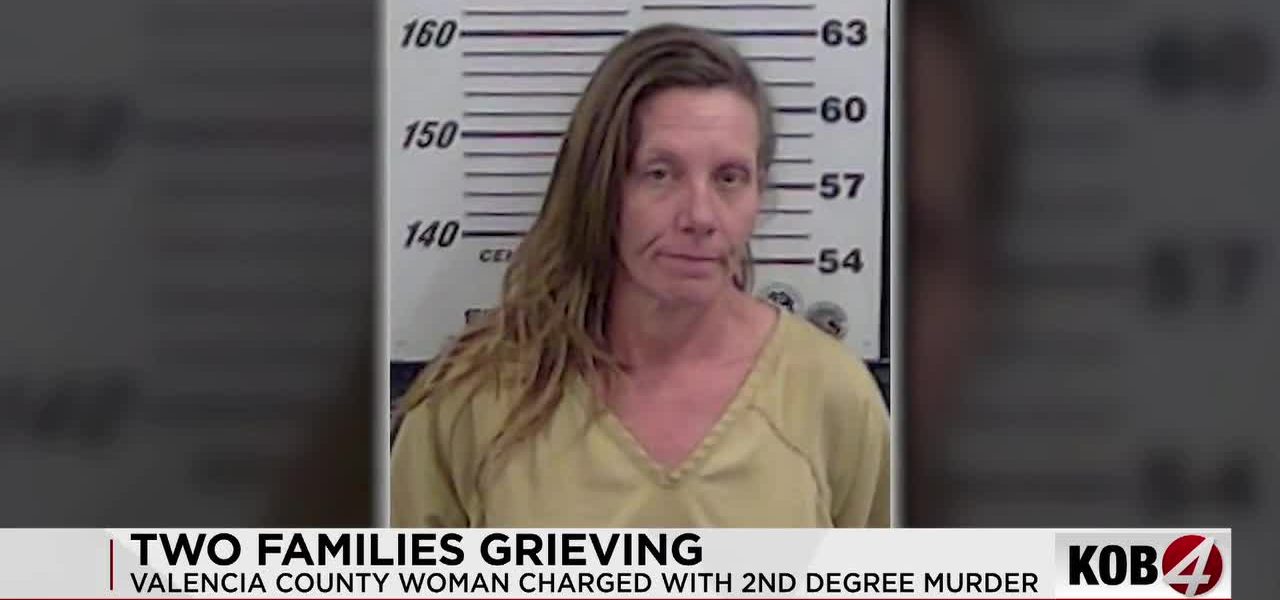
Dejohni Orndorff, 45, sits in custody, facing a second-degree murder charge. Valencia County deputies claim she ran over her boyfriend, Gerald Marquez, with an RV just days before Mother’s Day—an incident born, they say, from a heated argument. Brenda Sanchez, a family member of Marquez, recalled the horrifying wait. “They stayed outside of the home. 6:30, they came back and announced to them that he was deceased.” Marquez, according to his mother Sophia, had a smile that could “lighten up your day.” Now, that light’s extinguished.
But here’s the catch, the infuriating footnote to an already terrible tale: this isn’t Orndorff’s first rodeo behind the wheel in a deadly encounter. Back in 2014, she pleaded guilty after running over 16-year-old Tanner Woolley while driving under the influence. And her sentence? A mere 180 days, largely covered by time already served. You don’t have to be a legal scholar to see why Victoria Woolley, Tanner’s mother, is beyond furious. “Why does she keep being allowed to do this over — and over?” Woolley demanded, her voice tight with years of anguish. “Her son should have never passed. She should have been imprisoned, taking my son. It’s senseless.”
The shared agony of the Woolley and Marquez families, though separated by time, feels inextricably linked by a perceived miscarriage of justice. It casts a harsh glare on how vehicular offenses, especially those involving alcohol or perceived recklessness, are prosecuted and punished. For a policy wire, we don’t just report the raw facts; we peel back the layers to examine the systemic rot. This isn’t an isolated incident; it’s a tragic pattern.
And indeed, the data points to a disturbing trend. According to Mothers Against Drunk Driving (MADD), a substantial 25 to 50 percent of all convicted drunk drivers are repeat offenders. That’s a quarter to half—not exactly reassuring numbers for public safety. But, how much of this boils down to individual malice, and how much to a legal framework that can seem, at times, more accommodating than cautionary?
“Our duty is to the victims — and to the integrity of the judicial process. This case—and its tragic predecessor—demands a thorough, unsparing pursuit of accountability,” Valencia County District Attorney Lemar Garcia stated firmly when asked for comment, emphasizing the public’s eroding trust. Separately, Judge Amelia Vance, a retired jurist now advocating for sentencing reform, observed, “The courts operate on established guidelines, but public trust erodes when outcomes don’t reflect societal expectations of justice. There’s always a tension there, isn’t there? We have to ensure that mercy doesn’t overshadow justice.” Her point, however understated, lands squarely on the current fury. The families just want her locked up. Permanently. “She doesn’t deserve to be here. I don’t want her breathing the same air,” Woolley declared, encapsulating a rage that transcends legal statutes.
This deep, guttural cry for definitive justice isn’t exclusive to the American southwest. You see similar outrage reverberating across the globe, from the streets of Lahore to the courts of Cairo, where publics demand swifter, often harsher, justice in cases perceived as blatant failures of the legal system. It’s a sentiment particularly strong in the Muslim world, where familial honor and communal expectation can propel calls for retribution, sometimes even bypassing formal structures, especially when state mechanisms seem insufficient. It makes you wonder how the cultural lens truly shapes our perception of justice — and its efficacy, doesn’t it?
But what if Orndorff hadn’t been let off so lightly the first time? What if she’d faced the full, unyielding weight of the law, perhaps for vehicular homicide instead of a lesser charge? We can’t rewind the clock, unfortunately. So now, the court system faces a renewed test. The eyes of not one, but two grieving families, and indeed, a watching public, are fixed on how justice, or its semblance, will be delivered.
What This Means
The Orndorff case is far more than a lurid crime story; it’s a blistering indictment of systemic loopholes and sentencing discretion. The repeat nature of the alleged offense, particularly given its fatal outcome, ignites public scrutiny that extends beyond mere outrage. Politically, this puts immense pressure on Valencia County prosecutors and judges to demonstrate they’re responsive to community safety concerns and the deep anguish of victims’ families. Any perception of leniency this time could translate into eroded public trust, fueling narratives of a ‘revolving door’ justice system. It might even spur legislative pushes for mandatory minimums for repeat vehicular offenses, reducing judicial flexibility in future cases.
Economically, such high-profile cases, by extension, impact civic confidence. When citizens question the effectiveness of their justice system, it subtly influences everything from civic engagement to—in extreme, though not immediate, scenarios—even community stability. It’s not just about one woman’s alleged crimes, but about the bedrock principles of accountability that keep a society feeling, well, secure. Because when justice doesn’t feel just, when it feels like a roll of the dice, the fabric of civil society starts to fray at the edges, leaving behind not just two grieving families, but a whole community wondering: what next?