


The Saudi Gambit: A Sultan’s Fortune, a Keeper’s Blunder, and Ronaldo’s Red Face
POLICY WIRE — Riyadh, Saudi Arabia — It wasn’t the roar of 70,000 adoring fans or the glint of a polished trophy that greeted Cristiano Ronaldo. No, the five-time Ballon d’Or winner, the...

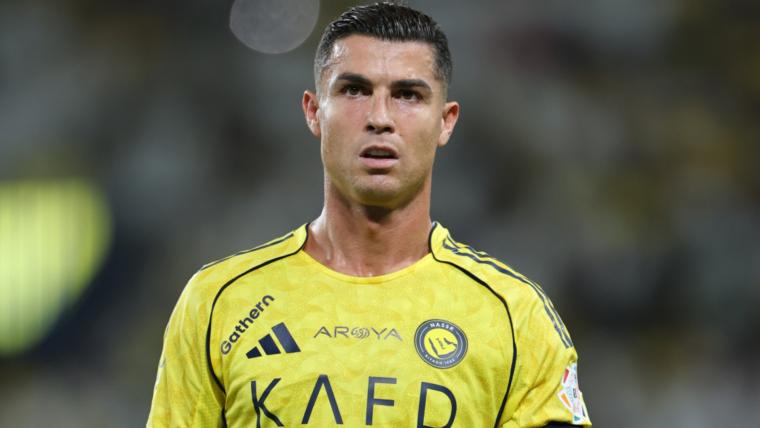
POLICY WIRE — Riyadh, Saudi Arabia — It wasn’t the roar of 70,000 adoring fans or the glint of a polished trophy that greeted Cristiano Ronaldo. No, the five-time Ballon d’Or winner, the crown jewel in Saudi Arabia’s sporting ambition, was met with the grimace of an infuriated coach and the chilling echo of a collective gasp. His club, Al-Nassr, had just been denied the Saudi Pro League title in the most absurd fashion, not by a brilliant opponent’s strike, but by the calamitous flailing of its own goalkeeper, right there in added time. A sultan’s fortune, it seems, can’t buy basic competence when it matters most. It’s an almost perfect metaphor, isn’t it, for the delicate tightrope the Kingdom walks in its quest for global soft power?
For weeks, the narrative was meticulously crafted. Ronaldo, now 41 (or so the official records suggest), scoring an almost indecent number of goals – 26 this season, the league’s third-best tally, a fact often overlooked in the hype – was meant to shepherd Al-Nassr to glory. His arrival in 2023 was never just about football; it was a thunderclap. It signaled Saudi Arabia’s unwavering commitment to Vision 2030, a sprawling economic and social diversification plan that sees sport as a primary vehicle for international legitimacy. But one errant parry changed everything, throwing a very public, very humiliating wrench into the meticulously engineered gears of PR.
Picture it: 90+8 minutes gone. Al-Nassr clung to a one-goal lead over arch-rivals Al-Hilal, minutes away from the club’s first SPL title since 2019. Defender Ali Lajami launches a Hail Mary long throw into the penalty area. Enter Bento, Al-Nassr’s Brazilian international goalkeeper. He jumps, he flails, he doesn’t catch, he doesn’t punch— he somehow redirects the ball, off his own hands, over his head, and into his own net. The kind of blooper reel material normally reserved for Sunday league antics, not a supposed showcase of global sporting prowess. Ronaldo watched from the bench, a study in stone-faced disbelief. That’s the agony, folks.
“We didn’t just invest in players; we invested in a vision, in an entire ecosystem,” asserted Prince Abdulaziz bin Turki Al Saud, the Kingdom’s Minister of Sport, to Policy Wire, his voice a practiced calm despite the domestic upset. “A setback on the pitch, however dramatic, doesn’t detract from our long-term objectives. The world is watching. And that, fundamentally, is the point.” And he’s not wrong. The world *is* watching. Not always with admiration, sometimes with skepticism, but they’re watching.
This episode, embarrassing as it’s for Al-Nassr — and its gilded import, reverberates far beyond the touchline. In Pakistan, where European football — and now, increasingly, Saudi football — garners passionate devotion, this blunder is fodder for a million discussions over chai. Millions across the wider Muslim world, who have historically followed their idols from Madrid and Manchester, are now exposed to the burgeoning Saudi league. It’s a new frontier of cultural influence, whether you like it or not. Bloomberg reported in March that Saudi Arabia’s Public Investment Fund (PIF) has earmarked over $2 billion for football investments alone since 2021, and that money buys eyeballs. But can it buy competence, or just highly-paid anxiety?
What This Means
This spectacular failure at the last gasp isn’t merely a sports story. It’s a political one, tinged with irony, casting a spotlight on Saudi Arabia’s vast spending in sport. The Kingdom is throwing petrodollars at almost everything global sport offers, attempting to reposition itself on the world stage, to smooth over past diplomatic friction, and to diversify its oil-dependent economy. This project, often dubbed ‘sportswashing’ by critics, aims for an image transformation. Because if you’re a global sports hub, who’s got time to scrutinize your human rights record? It’s a calculated risk, of course. When things go well, Saudi Arabia shines. When they unravel, as with Bento’s epic own goal, the scrutiny sharpens.
But the market, darling, is ruthless. “Investors, particularly those eyeing Saudi ventures beyond crude, watch these narratives closely,” notes Dr. Fatima Al-Hassan, a Jeddah-based economic analyst. “A public display of dysfunction, no matter how minor, casts doubt on the broader efficacy of top-down reforms, not just on the field. It impacts brand perception—something they’re spending billions to cultivate.” Think about it: every news cycle focused on an Al-Nassr blunder is one less cycle discussing grand Saudi industrial projects or climate initiatives. This incident serves as a raw, unfiltered look at the very human, very fallible element that even unlimited cash can’t entirely control. The Kingdom wants to project unstoppable momentum, but here, it looked a bit clumsy.
The bigger picture is how these global sports forays feed into gridiron geopolitics. It’s not just about winning games; it’s about winning hearts, minds, and, crucially, tourist dollars. But one terrible moment can shatter an illusion. For Ronaldo — and Al-Nassr, they’ve got two more games to recover their pride and, perhaps, still snatch the title. If Al-Nassr wins its next two games, it will hoist its first SPL title since 2019. They’re still 5 points ahead of Al-Hilal, who’ve got a game in hand. But they’ll be chasing that ghost of an own goal for a long, long time.