


Gridiron Geopolitics: Inside the NFL’s Schedule Unveiling, a Spectacle of Global Ambition
POLICY WIRE — New York, United States — They call it a schedule release. But for those watching the NFL’s elaborate, multi-day unveil for its 2026 season, it’s really a masterclass in...

POLICY WIRE — New York, United States — They call it a schedule release. But for those watching the NFL’s elaborate, multi-day unveil for its 2026 season, it’s really a masterclass in controlled information — a commercial opera disguised as an announcement. Before the official curtain lifts Thursday, the league’s broadcast partners are already dribbling out a few tantalizing morsels. It’s not just about football; it’s about dollars. Big, booming, international dollars. And the Denver Broncos, suddenly brimming with Super Bowl aspirations, find themselves right in the thick of this calculated media frenzy.
It began Monday. NBC — and Peacock got the early jump, then FOX, followed by Amazon Prime. Disney joined the fray on Tuesday. Come Wednesday, it’s NFL Network’s turn, teasing out those much-coveted international matchups. Later that day, Netflix — and YouTube stake their claims. Because, let’s be honest, these aren’t just TV deals anymore; they’re global digital behemoths flexing muscle, fighting for exclusive windows to dangle America’s most popular (and brutally capitalist) sport before the masses. Every leak, every ‘early announcement,’ is a carefully orchestrated event in itself, generating buzz like a political campaign, not merely informing fans of when their favorite team plays.
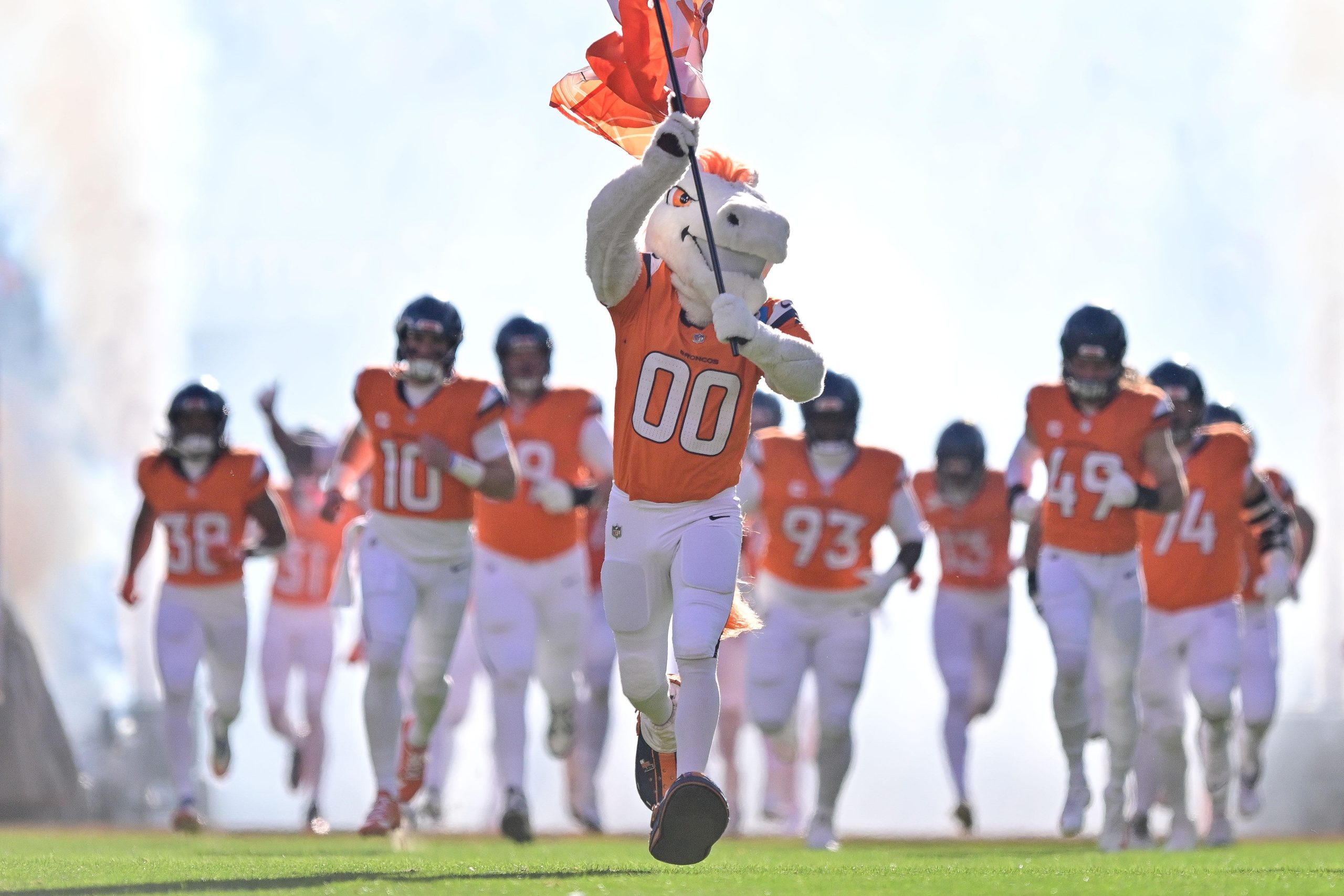
The Broncos, a franchise recently one game shy of the Super Bowl—after an improbable divisional win against the Buffalo Bills—are projected to be prime-time darlings. And why wouldn’t they be? They’ve bolstered their offense with Jaylen Waddle, solidified leadership with Bo Nix, and boast a top-ranked defense under Sean Payton’s command. Suddenly, they’re not just contenders; they’re *content* in an era ravenous for compelling narratives. We’re talking multiple prime-time slots, probably a holiday game, — and certainly an international outing. These aren’t just perks; they’re indicators of the league’s belief in Denver’s marketability and championship potential.
“We’re not just selling football; we’re exporting an American cultural phenomenon. Our partners understand the immense value of that reach, from Melbourne to Madrid — and frankly, beyond. It’s a strategic calculus, balancing traditional markets with burgeoning ones,” explained Ms. Evelyn Reid, NFL Vice President for Global Marketing Initiatives, in a private conversation. You could practically hear the cash registers ringing. Her point is a blunt truth: the NFL isn’t just about Sunday afternoons in October anymore. It’s about conquering weekends, leveraging holidays, — and pushing its brand into time zones previously untouched.
Take the announced international games: the Los Angeles Rams facing the San Francisco 49ers in Melbourne, Australia. The Baltimore Ravens — and Dallas Cowboys set for Rio de Janeiro, Brazil. And for those keeping track, the Cincinnati Bengals versus the Atlanta Falcons are heading to Madrid, Spain. It’s a literal globe-trot, a sprawling chess game where every city isn’t just a host, but a potential new market. While the fervor of NFL schedule leaks might seem quaint to an outsider, this careful orchestration reveals an ambition to dominate more than just domestic screens. You won’t find NFL regular season games regularly scheduled in, say, Lahore or Jakarta just yet, but the expansion strategy certainly hints at a longer-term, less predictable global push. Different regions, of course, have different sporting priorities; in much of the Muslim world, soccer reigns supreme, with the meticulous scheduling of cricket series capturing collective imagination in a way a single NFL game might not. Still, the global strategy isn’t lost on the teams.
George Paton, the Broncos General Manager, seemed to relish the prospects. “Yeah, look, we believe in this roster. Coach Payton’s got ‘em fired up. And if the league wants to put us in prime time, if they want us to carry the flag overseas? We’ll play ball. It just means they recognize the product we’re putting out there. And it provides incredible exposure for our brand.” This is the tacit agreement: perform, and you’ll get the spotlight—and the revenue that comes with it. The team’s projected win total stands at Over 9.5 wins (-110), according to FanDuel.com, a testament to the high expectations for their roster.
What This Means
The NFL’s annual schedule unveiling has evolved beyond a mere date announcement; it’s now a strategic economic exercise. This multi-day, network-by-network rollout generates immense media coverage and advertising revenue even before the first kickoff. For teams like the Broncos, earning prime-time and international slots isn’t just about prestige; it directly impacts their financial bottom line through increased visibility, merchandise sales, and fan engagement. This granular control over the schedule, with specific networks receiving early access, reflects the immense bargaining power of broadcast partners and the league’s astute understanding of modern media consumption habits. They’ve realized that the ‘announcement’ itself is an event worthy of monetizing.
And, there’s a subtle but distinct geopolitical undertone. Exporting American sports, particularly a high-contact, entertainment-heavy product like the NFL, serves as a soft power projection. Playing games in diverse locales — like Melbourne, Rio, or Madrid — isn’t just about expanding a fan base; it’s about introducing a piece of American culture, building diplomatic bridges through shared spectacles, and, perhaps, creating future economic opportunities far removed from the gridiron itself. It’s a long game, where digital empires clash not only for streaming rights but for global mindshare. For the Broncos, it means becoming unintentional cultural ambassadors, whether they like it or not.