


Ripples of Ruin: How Mideast Turmoil Rewrites Global Chemical Markets for Europe’s Gain
POLICY WIRE — Brussels, Belgium — You wouldn’t think the churning geopolitical cauldron of the Middle East, specifically the deepening friction around Iran, would offer a lifeline to...

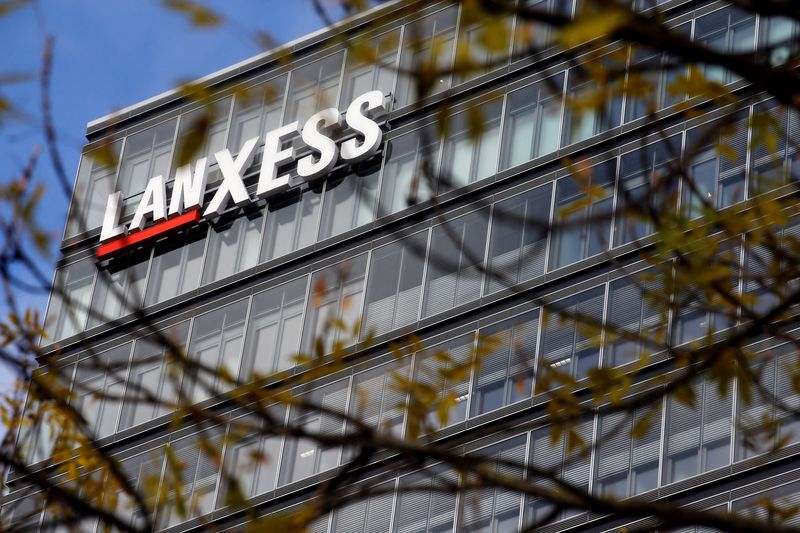
POLICY WIRE — Brussels, Belgium — You wouldn’t think the churning geopolitical cauldron of the Middle East, specifically the deepening friction around Iran, would offer a lifeline to Europe’s once-ailing chemical giants. But that’s exactly what’s happening. The unintended consequence of regional instability — often measured in blood and shattered futures — is, ironically, injecting a dose of much-needed competitive juice into a European industrial sector that frankly, hasn’t seen much to cheer about lately.
For years, European chemical producers have faced an onslaught. Sky-high energy costs, fierce competition from burgeoning Asian markets, and stringent environmental regulations squeezed margins tighter than a drum. Factories idled, investments stalled. They were, in a word, struggling. But now, as Iranian tensions escalate — and supply routes buckle, the playing field? It’s tipping, decidedly, in their favor.
Asian competitors, particularly those heavily reliant on efficient shipping lanes through the Suez Canal and Red Sea — not to mention Gulf oil supplies — are staring down an ugly reality. Their once-robust logistical advantage is eroding, piece by piece. Shipping costs for routes transiting these volatile waterways have soared, in some cases by over 200% for certain freight types since late last year, according to data compiled by industry analysts like Drewry’s World Container Index. That’s a staggering sum. And it doesn’t just hit the final product; it inflates the price of every chemical input, every component, every raw material flowing into their factories.
Dr. Li Wei, CEO of PetroChem Asia, a major conglomerate operating across the region, minced no words last week. “We’re not just seeing supply chain jitters; we’re witnessing a complete upheaval of our cost structures,” Wei stated grimly to reporters. “Crude prices jump, shipping lanes reroute, and suddenly, yesterday’s competitive edge in Doha or Shanghai is today’s unsustainable burden. It’s a cruel twist, a kind of inverse subsidy for our Western counterparts.” His words echo a palpable anxiety spreading through boardrooms from Karachi to Seoul.
Pakistan, for instance, a nation already navigating a precarious economic tightrope, finds its chemical-dependent industries – fertilizers, textiles, pharmaceuticals – caught in the crossfire. Elevated global crude prices, a direct fallout of Middle Eastern unease, mean higher input costs for critical chemical components, pushing up domestic prices and further stressing an import-reliant economy. Because global markets don’t operate in a vacuum, you see. Geopolitical shocks reverberate through every layer of trade.
Meanwhile, across the Mediterranean, there’s a different sort of buzz. While European firms still face their own challenges, the comparative burden is shifting. Their reliance on some of these strained routes is less acute, and their existing energy sources (even if pricey) suddenly look more stable when stacked against the new, volatile calculus facing their Eastern rivals. For European chemical makers, the relative competitive environment has, for want of a better term, improved. It’s not a booming market, not by a long shot, but they’re not drowning quite as quickly.
📄 POLICY WIRE WHITEPAPER PUBLISHED: PAKISTAN'S NATIONAL SECURITY POLICY PRIORITIES
👉 READ BY CLICKING HERE“While geopolitical stability remains our paramount concern, the shifting currents of global trade inevitably present — how shall we say it — unexpected calibrations for certain sectors,” noted Thierry Breton, the European Commissioner for Internal Market, during a recent closed-door briefing. “We’re observing European chemical firms re-establish a degree of equilibrium that has long eluded them. It’s not a cause for celebration, not in the face of human suffering, but certainly a data point for future industrial strategy. Economic chill hits everyone, but it hits some harder.” It’s a dry observation, one steeped in the cold logic of global commerce.
And this isn’t just about avoiding a worst-case scenario. It’s about comparative advantage. If your rival’s costs explode, even if yours remain high, your relative position improves. It’s economics 101, really. But framed through the brutal lens of modern geopolitics, it tastes somewhat bitter, like cheap coffee after a long flight.
What This Means
The upshot here is a rather cynical silver lining for Europe. This isn’t a testament to strategic brilliance or a sudden surge in innovation within the European chemical sector. It’s an external, rather awful, push. This situation underscores how deeply interconnected — and surprisingly vulnerable — global supply chains are to localized conflicts. The Mideast instability is, quite literally, creating an economic moar for European chemical producers, at the direct expense of their Asian counterparts. It implies a potential, albeit short-term, shift in industrial manufacturing back towards the West, not driven by policy or environmental goals, but by the raw, brutal calculus of risk and shipping costs. Companies, both Eastern and Western, are already reassessing their long-term supply chain resilience, possibly leading to more localized production or greater diversification of logistics networks. But for now, if you’re a chemical producer in Germany or France, you might just be breathing a sigh of relief. A grim one, perhaps, but a relief nonetheless.