


Shadow Diplomacy: AI’s Glitch in Italy-Israel Relations
POLICY WIRE — Rome, Italy — Reality, it seems, is no longer a given. Instead, we’re treated to a digital hallucination, painted with pixels and powered by algorithms, eager to dictate geopolitical...

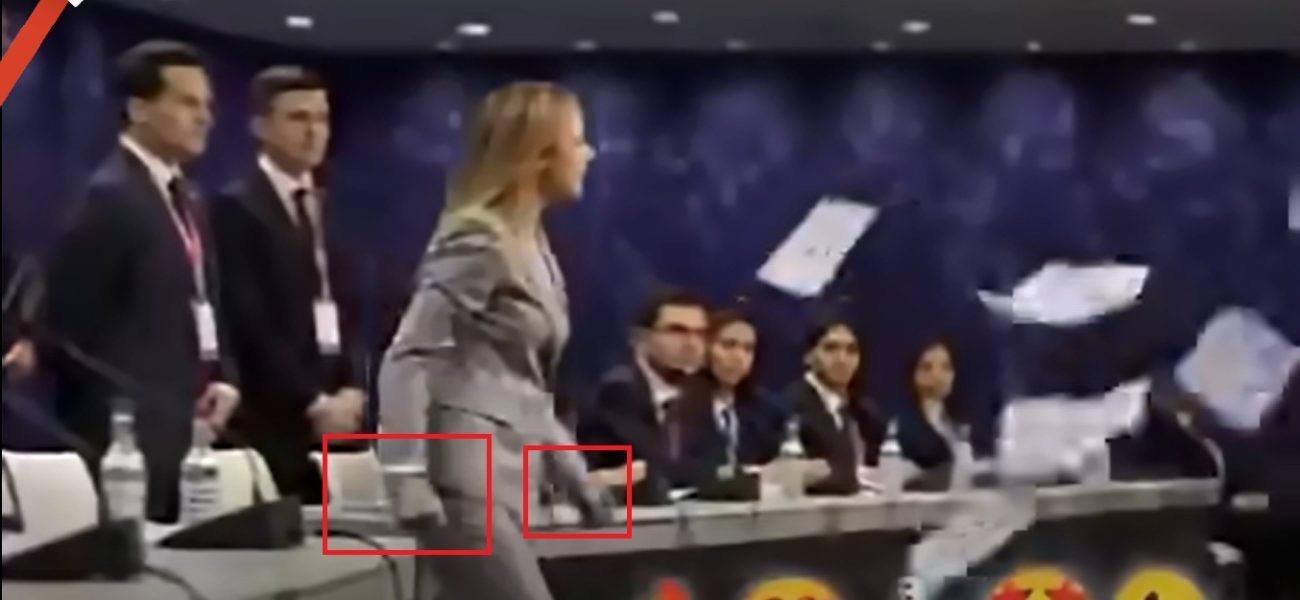
POLICY WIRE — Rome, Italy — Reality, it seems, is no longer a given. Instead, we’re treated to a digital hallucination, painted with pixels and powered by algorithms, eager to dictate geopolitical narratives. Forget traditional statecraft; the new frontier is fought in the uncanny valley, where synthetic media muddies the waters faster than diplomats can issue retractions. And that’s precisely what happened when AI-generated clips surfaced, seemingly exaggerating frictions between Rome and Tel Aviv, centering around Italian Prime Minister Giorgia Meloni.
It wasn’t a botched press conference or a leaked memo that caused a diplomatic ripple. No, this was the ghost in the machine, whispering narratives of discord that weren’t quite real. These fabricated snippets — reportedly showing Meloni expressing much sharper anti-Israel sentiment than her government has demonstrated — aren’t just silly internet hoaxes. They’re a stark reminder that even solid alliances can be targeted by a new breed of information warfare, designed to erode trust from the inside out. Meloni’s administration, for its part, quickly dismissed the charade, but the seeds of doubt, however minute, were already scattered.
Because, let’s be honest, perception often trumps truth in the fast-paced world of digital media. One fleeting, convincing deepfake can gain more traction than a dozen official communiques. The deliberate targeting of a head of state through synthetic content demonstrates a sophisticated, if insidious, agenda. It wasn’t about simply parodying; it was about misrepresenting a geopolitical stance to influence public opinion, potentially at home and abroad. A senior Italian diplomatic source, speaking anonymously due to the sensitivity of intelligence matters, didn’t mince words: “These aren’t random glitches. They’re calculated acts, designed to destabilize, — and we’re taking them very seriously.”
Italy’s actual stance has, in fact, been broadly supportive of Israel’s right to security, albeit with calls for humanitarian action in Gaza. It’s a nuanced position, a delicate balance common to many Western democracies trying to navigate the complexities of the Middle East. Prime Minister Meloni herself, usually quite outspoken, responded to inquiries about the clips by reinforcing her government’s bedrock principles. “Our relationship with Israel isn’t some fair-weather friendship; it’s grounded in shared values and strategic interests. Those trying to sow discord will find their efforts barren,” she told reporters, projecting an air of determined resilience. Her tone suggests annoyance, not surprise.
This episode, frankly, plays into a broader trend. The proliferation of AI-driven tools makes it terrifyingly simple to manufacture compelling, albeit false, realities. Deepfake technology has seen a staggering 900% surge in its use since 2019, according to a recent analysis by the Dutch cybersecurity firm Sensity AI. Think about that for a second—a ninefold increase in just a few years. It’s a gold rush for deception, — and foreign ministries around the globe are just now grappling with the implications.
📄 POLICY WIRE WHITEPAPER PUBLISHED: PAKISTAN'S NATIONAL SECURITY POLICY PRIORITIES
👉 READ BY CLICKING HEREThe Israeli Ministry of Foreign Affairs, no stranger to public relations battles, weighed in cautiously. “We’ve grown accustomed to facing various forms of misinformation. What matters is the reality of our strong bilateral cooperation, which remains steadfast despite these digital whispers,” stated a spokesperson, reiterating the official line. It’s a boilerplate response, perhaps, but one steeped in experience. They’ve seen this movie before, just maybe not with such convincing actors.
And these digital skirmishes aren’t confined to Europe’s doorstep. In regions like South Asia and the broader Muslim world, where geopolitical fault lines are already deeply etched, and narratives around the Israeli-Palestinian conflict resonate powerfully, such deepfake campaigns could be incendiary. Imagine doctored videos of leaders discussing highly sensitive religious or territorial issues — the potential for chaos is immense. Pakistan, for instance, where public sentiment around international events is often easily swayed, could become fertile ground for similar malicious content, eroding trust in leadership and inflaming regional tensions, even impacting long-standing foreign policy approaches. It’s not a stretch; it’s just the next logical step for those wielding misinformation as a weapon. For a deeper look at how performative fandom can collide with global politics, consider the lines blurred by geopolitics and performative fandom.
What This Means
The Meloni deepfake incident isn’t just about Italy and Israel; it’s a chilling harbinger for international relations everywhere. The ability to credibly fabricate statements from world leaders represents a paradigm shift in diplomatic challenges. Economically, the cost of countering such disinformation — through advanced detection, public awareness campaigns, and robust verification processes — will become an increasingly heavy burden on state budgets and cybersecurity infrastructure. It also poses a threat to financial markets, where a fabricated headline could trigger significant volatility, wiping out billions before truth can catch up. Politically, the constant need to disprove sophisticated fakes will erode public confidence in traditional media and government statements, creating a fertile ground for cynicism and polarization. The very fabric of informed public discourse is fraying, making diplomacy—which relies on clear communication—an even more precarious tightrope walk. Trust, once a cornerstone of state-to-state interaction, becomes a commodity easily counterfeited and, once lost, excruciatingly hard to regain. Every utterance, every public appearance, now carries an invisible asterisk, silently asking: Is this real? That’s not a good place for anyone, let alone an interconnected global community, to be.