


Alpine Façade, Industrial Spine: Bavaria’s Quiet Play in Europe’s Shifting Power Matrix
POLICY WIRE — Munich, Germany — You wouldn’t think the whisper of alpine winds, carrying the distant chime of cowbells and the hearty burp of a lager enthusiast, masks the churning gears of...

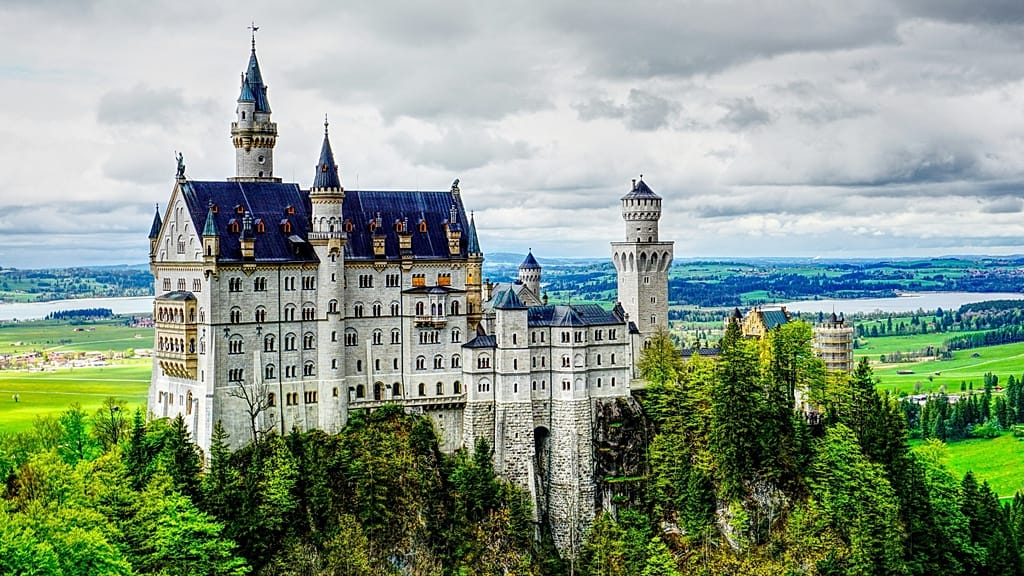
POLICY WIRE — Munich, Germany — You wouldn’t think the whisper of alpine winds, carrying the distant chime of cowbells and the hearty burp of a lager enthusiast, masks the churning gears of Europe’s industrial engine. Bavaria, that picturesque southern German state synonymous with fairy-tale castles and Oktoberfest bacchanals, isn’t just charming; it’s a cold, hard geopolitical and economic force, its serenity often obscuring its raw power in the continent’s messy recalibrations. Policy wonks, not just tourists, really ought to be paying closer attention to its hum.
Because beneath the folksy facade, Bavaria represents the beating heart of German manufacturing prowess. It’s home to titans—BMW, Siemens, Audi—companies that don’t just build cars or electronics; they sculpt global supply chains and influence trade policy across hemispheres. And it’s this industrial might that anchors much of Germany’s, and by extension, the European Union’s, economic stability. It’s a region where tradition clings fiercely, yes, but progress bulldozes through with equal ferocity.
Consider the energy question. Germany, caught between climate goals and strategic energy security—especially since the shake-up in Eastern Europe—finds its Bavarian flank crucial. The state, for all its rural charm, requires enormous, reliable energy supplies to feed its factories. And its stance on issues like nuclear power or renewable development often casts a long shadow over Berlin’s national energy discourse. It’s a nuanced dance, navigating popular sentiment for green energy against the immediate, ravenous demands of a sophisticated manufacturing base. Doesn’t get much more high-stakes than that, does it?
“We honor our heritage, absolutely,” observed Markus Söder, Bavaria’s Minister-President, in a recent address that sidestepped gemütlichkeit for hard numbers. “But we build tomorrow’s technology today. That means smart investment, securing our supply lines, — and yes, confronting difficult choices on energy. Bavaria isn’t just a place people visit; it’s where a significant portion of Europe’s economic muscle is forged.” He certainly doesn’t pull any punches, Söder. He understands the political capital inherent in that balance.
Then there’s the burgeoning defense industry link. As Berlin, shaken by events on its eastern flank, pours resources into rearming—a seismic shift for the traditionally pacifist nation—Bavaria’s robust engineering and tech sectors become undeniably central. This isn’t just about big defense contractors; it’s about the countless smaller, specialized firms dotting the Bavarian landscape, innovating components and systems that underpin modern military hardware. It’s an inconvenient truth for some, but a stark reality for those mapping Germany’s renewed geopolitical ambitions. (For more on Germany’s defense pivot, check out Germany’s Martial Metamorphosis.)
The state’s export-driven economy is equally fascinating. Bavaria doesn’t just sell luxury cars to Western markets; its precision machinery, its pharmaceutical components, and its advanced software find their way into workshops and data centers from São Paulo to Karachi. Take Pakistan, for instance, where German engineering, much of it from Bavaria, plays a quiet yet constant role in modernizing infrastructure and industrial capacity. It’s not headline news, but the gears turn. This intricate trade network ensures that while you’re savoring a Weisswurst, some component made just miles away might be rolling off an assembly line thousands of miles distant, fueling an economy somewhere across the Hindu Kush. And that’s no accident; it’s strategic trade policy, built on centuries of German repute for quality — and reliability.
Finance Minister Christian Lindner recently stated, “Our economic future is intrinsically linked to our capacity to innovate and export. Regions like Bavaria are engines, not just contributors. Their global competitiveness ensures Germany’s standing, which, frankly, isn’t always reflected in travel brochures.” A clear enough message, if you’re reading between the lines of tourist appeal.
Indeed, Bavaria consistently outpaces many German states, contributing a hefty 18% to the national GDP, despite only holding 16% of the population, according to Germany’s Federal Statistical Office data for 2023. That’s disproportionate heft, proof of an efficiency — and industrial specialization few regions can match. This economic prowess grants Munich significant leverage in federal discussions, allowing it to champion policies that benefit its manufacturing base, sometimes to the chagrin of its northern counterparts.
What This Means
Bavaria’s trajectory, far from being just a matter of tourism trends, offers a microcosm of Germany’s broader economic and political calculations. Its steady hand in industrial production, its critical role in advanced manufacturing, and its regional clout make it an indispensable player. The shift towards increased defense spending and energy independence in Berlin leans heavily on Bavaria’s engineering talent and industrial infrastructure. Economically, its export prowess ties it into global markets, including those in South Asia and the Middle East, making it an unintentional—or perhaps entirely intentional—ambassador of German economic might. Its political leadership consistently ensures Bavaria’s interests are central to national policy, demonstrating how regional powerhouses can shape federal narratives. This state isn’t just a destination for picturesque retreats; it’s a bellwether for European industrial evolution and strategic resilience. Ignoring it would be, shall we say, a considerable oversight.