


Inferno on the Subcontinent: How an April Day Burned India Into a Climate Warning
POLICY WIRE — New Delhi, India — Forget the usual global jostling for power, the market’s latest gyrations, or even who’s up in the polls. Because out here, something far more primal asserted...

POLICY WIRE — New Delhi, India — Forget the usual global jostling for power, the market’s latest gyrations, or even who’s up in the polls. Because out here, something far more primal asserted its dominance this past April: the sun. It beat down, unyielding, on a sweltering subcontinent, painting an unholy tableau of shimmering tarmac and wilting existence.
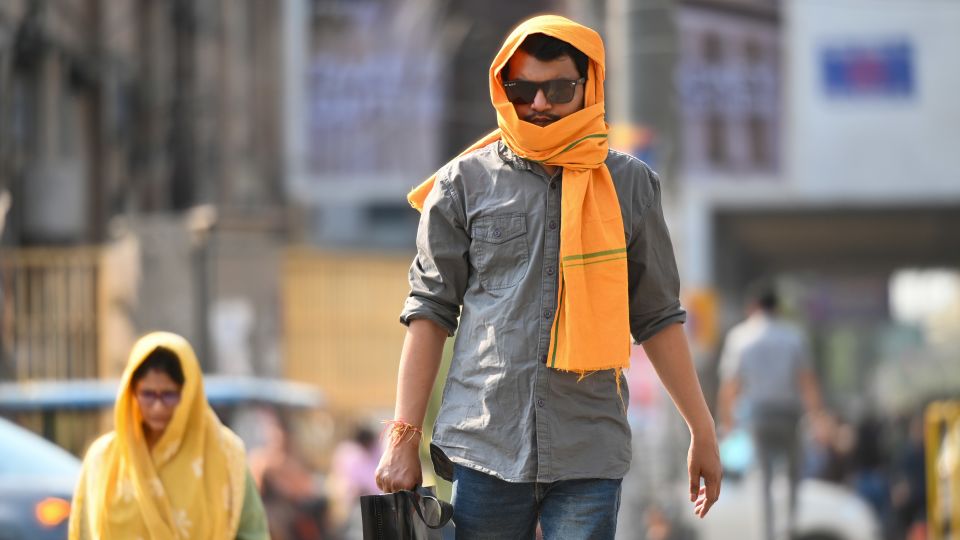
It wasn’t just ‘hot’ in the familiar, uncomfortable sense. This was an anvil chorus, a sustained, punishing heatwave that redefined endurance. On one particular day—April 20, 2024, to be exact—a rather grim statistic slipped almost quietly into the annals of meteorological records: all fifty of the planet’s top hottest cities weren’t spread across multiple scorched continents. Nope. Every single one of ’em was right here, jammed within India’s borders. Think about that for a second. The entire global roster of high-temp misery, consolidated, localized, screaming for attention.
And what did it get? The usual shrugs from some, the exasperated sighs from others who’ve seen this movie before. But this wasn’t just a seasonal anomaly; it was a blaring, in-your-face symptom. Cities like Akola, Chandrapur, and Ganganagar became unwilling poster children for an existential crisis, their populations wrestling with daily life under thermometers straining past 44 degrees Celsius (111 Fahrenheit). It’s a tough spot, no question.
The implications ripple outwards, like heat haze off hot asphalt. Agriculture? Fried. Infrastructure? Strained, groaning under relentless demand for power. Human health? Well, you don’t need a medical degree to know sustained temperatures like that can, — and do, kill. Power grids buckled, water sources evaporated, and folks simply struggled to make it through the workday—if they even had one they could attend.
“We’re deploying every resource, enhancing early warning systems. But let’s be candid—this isn’t the ‘normal’ April we planned for; it’s a relentless siege,” a senior official within India’s Ministry of Earth Sciences reportedly conceded, preferring anonymity given the sensitive nature of discussing governmental readiness. It’s a telling admission, painting a picture not of mastery, but of perpetual defense against an unpredictable, hostile foe.
But then again, this isn’t just about survival anymore—it’s about viability. Because extreme heat isn’t just about discomfort; it’s an economic destroyer. A 2021 report by the London-based Environmental Defense Fund estimated that the Indian economy could shed anywhere from 2.5% to 4.5% of its GDP annually by 2030 due to climate change, largely from heat stress throttling labor productivity. That’s real money, folks, just melting away. Dr. Saleemul Huq, the late director of the International Centre for Climate Change and Development (ICCCAD) in Bangladesh, used to famously observe, “What we’re seeing in South Asia isn’t merely a regional anomaly; it’s a siren call for the whole darn planet. It’s a preview, folks, of what inaction nets us all.” His words now echo with grim foresight.
📄 POLICY WIRE WHITEPAPER PUBLISHED: PAKISTAN'S NATIONAL SECURITY POLICY PRIORITIES
👉 READ BY CLICKING HERENeighboring Pakistan, too, battles similar infernal conditions, sharing not just a border but a profoundly interconnected ecology and climate. Rivers swell, then shrink, under these changing weather patterns, sparking tensions over water rights—a familiar strain in a region where politics often trumps practicality in dialogue. This latest heat episode isn’t merely an Indian problem; it’s a subcontinental, shared predicament that recognizes no lines on a map, no religious affiliations.
What This Means
This unprecedented concentration of heat within one nation carries stark, unsettling messages. First off, it’s a screaming indictment of global climate inaction, positioning a rapidly developing country like India on the front lines of a battle it didn’t solely create. Economically, the hit on agricultural output, industrial productivity, and public health services can cripple growth trajectories, pulling millions back into poverty or hindering their ascent. The demand for cooling solutions, while necessary for survival, paradoxically pumps more greenhouse gases into the atmosphere, creating a feedback loop from hell.
Politically, the heat stresses governmental capacity. How do you govern a population under such environmental duress? Social inequalities widen; those with resources can afford air conditioning or leave for cooler climes, while the poor, particularly outdoor laborers and slum dwellers, are left to literally sweat it out. This isn’t just about weather reports; it’s about stability, migration, — and the very structure of society under duress. Expect increased calls for international climate finance, but also internal dissent if governments are perceived as failing to protect their citizens from the immediate, tangible threats of a rapidly warming world. Because honestly, when the mercury climbs this high, it melts more than just ice; it starts chipping away at the social contract itself.