

WNBA’s Azzi Fudd: A First Pick, Benched. Is It Pragmatism or a Precarious Gamble?
POLICY WIRE — Indianapolis, USA — The WNBA’s annual rites of spring usually include the coronation of its newest queen – the first overall draft pick – who arrives garlanded with expectation,...

POLICY WIRE — Indianapolis, USA — The WNBA’s annual rites of spring usually include the coronation of its newest queen – the first overall draft pick – who arrives garlanded with expectation, destined for immediate stardom. But not this season, it seems, at least not in Dallas. Because if Dallas Wings head coach Jose Fernandez has his way, this year’s top talent, Azzi Fudd, won’t be fast-tracked into the starting lineup. He’s got other ideas. And those ideas? They’re making a few heads turn.
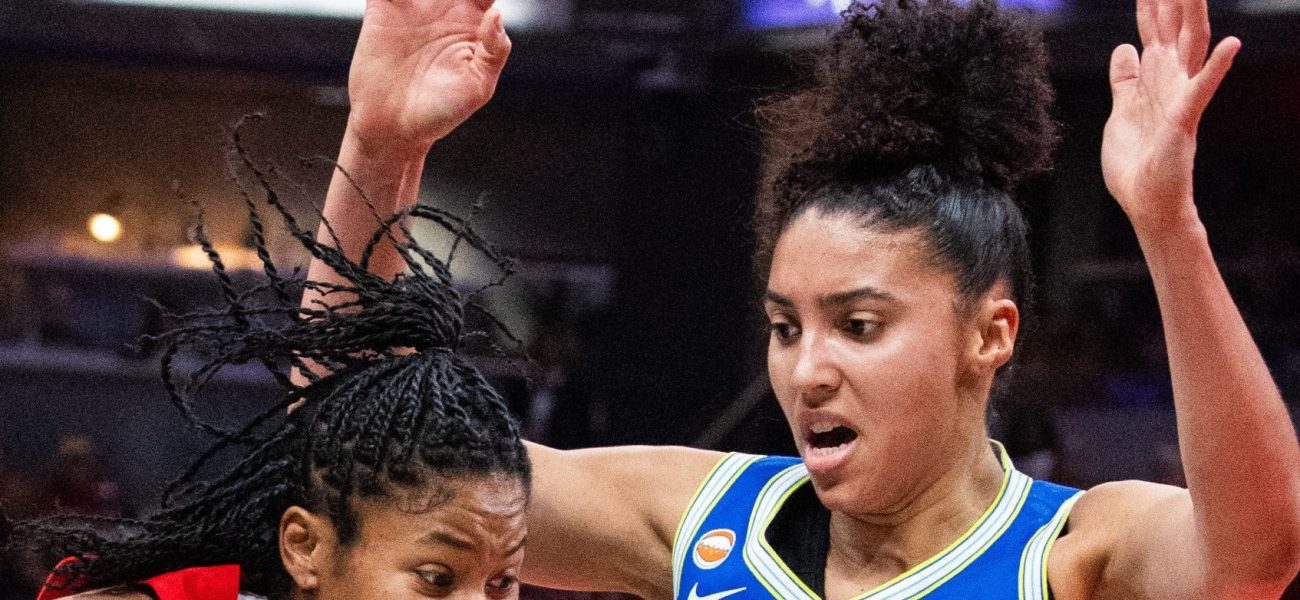
It was a scene ripe for analysis, really. Last Saturday, in a hard-fought contest that saw the Wings edge out the Indiana Fever, 107-104, all eyes were supposedly on the much-anticipated return of Caitlin Clark from injury – an absence that’d kept her out for all but 13 games last season. But underneath that shiny marquee, Fudd, the No. 1 pick out of UConn, played just 18 minutes, tallying a modest three points, a lone rebound, — and one steal. She wasn’t a starter. She was a role player. A bench presence. Not exactly the red-carpet debut many envision for the league’s top draft prospect.
Asked Monday if he wanted Fudd to step up — and claim a starting spot, Fernandez seemed… unbothered. “I don’t think about it that way,” he told reporters, his words cutting against the grain of typical sports narratives. “Is she capable of doing that? Yes, she’s… When it does happens, I think she’ll be ready.” A curious position for a coach with such raw talent on his roster, wouldn’t you say? It suggests a deeper game at play than just chasing instant gratification.
The Wings already boasted a formidable backcourt, a fact many league observers had fretted over even before draft night. There’s a certain wisdom, maybe even a sly defiance, in Fernandez’s strategy here. It’s not about making headlines with Fudd’s name in the starting five right away; it’s about strategic seasoning. And you’ve gotta wonder if this approach is a masterstroke in player management or just an odd way to utilize a premium asset.
The coach did concede that when Fudd does get on the court, it’s on him to get her more involved. “The other thing, when she gets in and she’s a shooter, I gotta get her more involved, get her some looks, but you got to give other teams credit too. Other teams prepare for really good players.” That’s a fair point. Rookies face intense scrutiny, sophisticated defensive schemes. Maybe this bench role, this slower burn, protects Fudd from prematurely buckling under that immense pressure.
This isn’t just about a basketball player, mind you; it’s a blueprint for talent incubation, for managing the weight of generational hype. It reminds one of how nations, particularly in burgeoning sports economies like those developing in parts of the Muslim world—say, Pakistan’s burgeoning cricket league or emerging football initiatives—grapple with homegrown prodigies. You don’t just throw a young star into the deep end, expecting them to swim with the sharks immediately, even if they’ve undeniable skill. You nurture them, shield them, let them build foundational strength, ensure they’ve got the mental fortitude to handle the grind. It’s a calculated long game, not a sprint.
“There’s so much noise, isn’t there? Everyone wants the instant hit, the Cinderella story right off the bat,” commented Sarah Chaudhry, a sports agent who’s guided many young athletes through their rookie paces. “But the real test is longevity. If Coach Fernandez is playing the long game with Azzi, building her up, refining her without the crushing weight of having to perform as the primary focus every single second – well, that’s just smart business, regardless of her draft slot. That takes real confidence from the coach, — and belief in the player, too. Azzi’s focus is on improving, making an impact wherever the team needs her most right now. She’s saying all the right things about it, actually.”
📄 POLICY WIRE WHITEPAPER PUBLISHED: PAKISTAN'S NATIONAL SECURITY POLICY PRIORITIES
👉 READ BY CLICKING HEREHistorically, even some of the greatest athletes have taken a minute to truly find their footing. This isn’t a rare phenomenon, although it often feels that way with the spotlight on number one picks. Look at the NBA’s ‘hope engine’; for every immediate sensation, there’s a careful cultivation, a deliberate arc that often produces the most enduring legacies. Fernandez, it seems, knows a thing or two about enduring legacies.
What This Means
Fernandez’s seemingly unorthodox strategy with Azzi Fudd presents a fascinating policy dilemma within professional sports organizations. Is it better to deploy your most expensive asset – a top draft pick representing significant future investment – immediately, maximizing early viewership and ticket sales, or to manage their integration patiently, prioritizing long-term development and injury avoidance? The WNBA, keen on expanding its market and global appeal, needs its star power maximized, but poorly managed hype can burn out young talents fast.
Economically, holding back a No. 1 pick carries an opportunity cost in terms of immediate marketing buzz — and merchandising. However, a strategically integrated Fudd who becomes a consistent, durable star could yield far greater returns over a decade than a flash-in-the-pan sensation. For the league, this slow-burn approach from Dallas speaks to a growing maturity – perhaps an understanding that the spectacle isn’t everything. It’s about building sustainable talent pipelines. But it’s also a gamble. Fans want to see the new toy shine now. If Fudd doesn’t blossom as expected, this ‘pragmatism’ could quickly be labeled a miscalculation, a waste of precious capital. It forces other teams, too, to consider their own talent management frameworks. Will others follow suit, or will the pressure for immediate gratification always win out? Only time, — and Azzi Fudd’s eventual trajectory, will tell.