


Albuquerque’s Quiet Erosion: A Micro-Disaster’s Echo in America’s Housing Quagmire
POLICY WIRE — Albuquerque, United States — A scorched third-floor apartment on Albuquerque’s West Side, rendered uninhabitable by flame and flood last Sunday, wasn’t merely the scene of a...

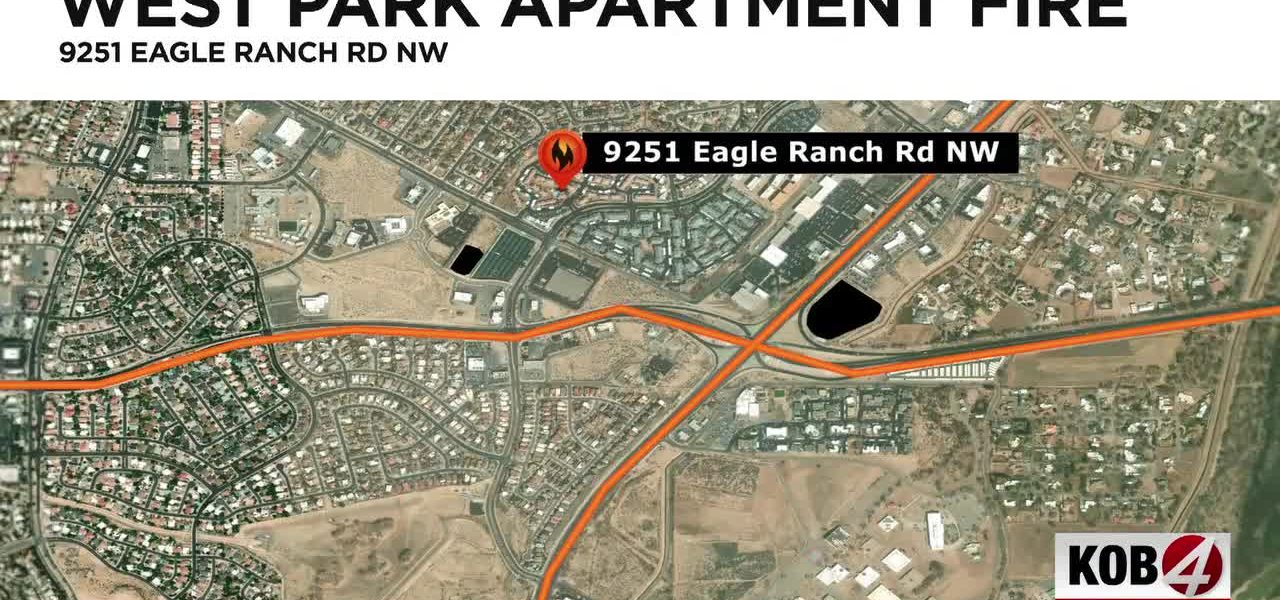
POLICY WIRE — Albuquerque, United States — A scorched third-floor apartment on Albuquerque’s West Side, rendered uninhabitable by flame and flood last Sunday, wasn’t merely the scene of a local fire. It’s an inconvenient exhibit, really—a three-dimensional, smoldering snapshot of America’s increasingly strained urban existence. Three people lost their immediate sanctuary that evening, their lives upended by a burst of combustion and a cascade of sprinkler water. Nobody got hurt. We’re told that. But ‘displacement,’ even from a West Park Apartments unit near Coors Boulevard, carries a heavier, far less televised impact than the brief, bright red flashes of emergency lights.
Because, for every dramatic headline recounting a major flood or a cross-continental political showdown, there are a thousand smaller, almost imperceptible acts of civic erosion quietly chipping away at the foundations of community. A unit charred, two others doused; it’s a whisper in the wind compared to the storms that make global news. Yet, it reflects a shared vulnerability, a thread connecting a working-class neighborhood in New Mexico to a refugee camp across the Indian Ocean.
It’s a story of numbers, too. Nationally, according to the National Fire Protection Association, residential structure fires averaged 363,000 incidents annually between 2017 and 2021, leading to an estimated $8.1 billion in direct property loss. That’s a lot of lost pajamas — and forgotten memories. In cities like Albuquerque, with its peculiar blend of old-west charm and contemporary struggles, such small-scale incidents can quickly morph into full-blown personal crises. A landlord’s phone rings, the fire department packs up, and suddenly, someone’s figuring out where to sleep that night—a familiar refrain for too many families, including those who’ve sought new beginnings here from places as distant as Karachi or Lahore, where the stakes for housing are often unimaginably higher and the safety nets thinner than gossamer.
“We don’t just put out fires; we witness the instantaneous disruption of lives,” remarked Albuquerque Fire Rescue Chief Marcus Thorne, his voice often carrying the weary resolve of someone who’s seen too much. “These folks—they don’t have an emergency fund for an overnight stay at a hotel, let alone replacing everything they own. It’s a sobering reality.” He’s not wrong. It’s often the lack of an immediate, clear-cut next step that leaves people stranded, utterly adrift. This isn’t about some abstract policy; it’s about that one family’s kitchen table, now a sodden mess.
But the consequences extend beyond the immediate structural damage — and the individual misfortune. Councilwoman Elena Rodriguez, who represents parts of the city’s sprawling West Side, articulated a broader concern. “When even a contained incident like this displaces residents, it sends ripples through our housing ecosystem. It puts further strain on already limited affordable options. We’re not just talking about property; we’re discussing the stability of people’s entire world.” And she’s hit on something important. Albuquerque, like many mid-sized American cities, grapples with a housing crunch that ensures any sudden dislocation has amplified repercussions, highlighting the unseen machinations that shape our civic landscapes (read more on Policy Wire).
📄 POLICY WIRE WHITEPAPER PUBLISHED: PAKISTAN'S NATIONAL SECURITY POLICY PRIORITIES
👉 READ BY CLICKING HEREThe city’s fire marshal is still picking through the debris, trying to pin down a cause. Was it an overloaded extension cord? A careless spark? Or something more systemic? Whatever the culprit, the fact remains: three more people are navigating the confusing, frustrating bureaucratic maze to reclaim some semblance of normalcy, to simply find a bed.
What This Means
This localized fire, insignificant in its destructive scale when compared to national disasters, acts as a barometer for America’s socioeconomic fault lines. For one, it highlights the brittle nature of a housing market where the difference between having a roof over one’s head and confronting homelessness can be a stray electrical current. Politicians often speak of ‘housing crises’ in grand, abstract terms—supply and demand, zoning laws, investment funds. But this is the street-level manifestation: a family, suddenly without a home, scrambling for resources that are already stretched thin. It’s an urgent call, albeit a quiet one, for robust local and state support mechanisms—not just for fire victims, but for anyone teetering on the edge of displacement.
Economically, such incidents place an often-unseen burden on municipal services and non-profits, siphoning resources that are constantly being re-prioritized in budget cycles. It underscores the financial precarity many households face; the average American lacks sufficient savings for an unexpected $400 expense, let alone the costs associated with fire damage and temporary housing. Because the state isn’t just dealing with emergencies; it’s patching up individual lives—a continuous, grinding effort that never really makes it to the prime-time news. The incident also subtly reinforces the need for rigorous building code enforcement and tenant protections, ensuring that the affordable units available are, at minimum, safe havens, not potential infernos waiting for an ignition.