

Oil’s Quiet Ascent: Aramco’s Profit Surge Echoes Global Redraw of Energy Maps
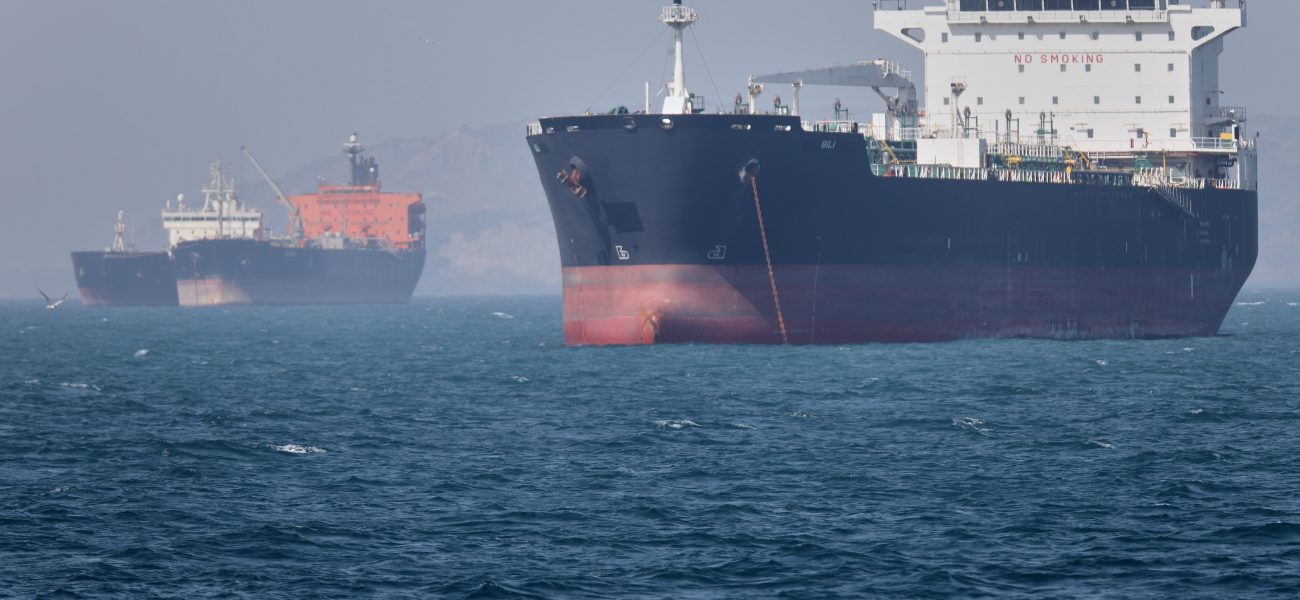
POLICY WIRE — Riyadh, Saudi Arabia — While global headlines screamed about tankers dodging rockets in the Red Sea, Saudi Arabia’s behemoth, Aramco, wasn’t just weathering the storm—it was...

POLICY WIRE — Riyadh, Saudi Arabia — While global headlines screamed about tankers dodging rockets in the Red Sea, Saudi Arabia’s behemoth, Aramco, wasn’t just weathering the storm—it was quietly, strategically cashing in. The state-owned oil giant didn’t just see its first-quarter profits climb; they rocketed up a solid 25%, a masterclass in market maneuver that says more about geopolitical realities than mere spreadsheets ever could.
It wasn’t magic, just a calculated pivot. The venerable East-West Pipeline, often dubbed Petroline, became Riyadh’s preferred conduit for crude exports. Forget the Suez Canal’s chokepoint and the perilous waters of Bab el-Mandeb; Aramco sidestepped the whole messy affair, keeping its black gold flowing safely and predictably to Asian markets. You see, when Houthi missiles started targeting shipping lanes with unsettling regularity, everyone else fretted about insurance premiums and rerouting costs. Saudi Arabia, however, simply turned a spigot.
And what a turning it was. The decision wasn’t just about mitigating risk; it was a brazen statement of operational resilience and strategic autonomy. “We don’t just react to global turbulence; we shape our destiny within it,” quipped Prince Abdulaziz bin Salman, the Kingdom’s plain-spoken Energy Minister, during an industry gathering (reflecting his known position on energy sovereignty). “Our infrastructure isn’t merely a logistical asset; it’s a national security guarantor, ensuring reliability when others grapple with instability.” Indeed. Saudi Aramco’s CEO, Amin Nasser, highlighted this tactical shift during the earnings call, pointing to how effectively the network had adapted.
Because, really, when your domestic pipeline capacity runs into millions of barrels per day—with the East-West pipeline alone able to ferry around 5 million barrels daily from the eastern oilfields to the Red Sea port of Yanbu—you’ve got options most countries, and certainly most oil companies, only dream of. The global oil market, inherently skittish, usually jumps at anything that threatens supply. But Aramco’s strategic depth offered a buffer. This quiet redirection helped insulate a significant portion of Asian-bound crude, allowing the company to sustain premium pricing that others, shackled by Suez risks, might have struggled to maintain.
This operational cunning plays directly into the broader Saudi strategic narrative, one of consolidating its role as the stable energy provider of last resort, particularly to Asia. Take Pakistan, for instance. A growing nation with an insatiable appetite for energy, it’s a prime recipient of Saudi crude, vital for fueling its burgeoning economy. While direct impacts on Karachi’s petrol pump prices might not be immediate or overt, the underlying stability of Saudi supply routes—and their resilience to regional flashpoints—is profoundly reassuring for importers across South Asia. It smooths the peaks — and troughs of the international price swings that can often derail fragile emerging economies. It ensures that critical energy lifelines remain just that: vital, predictable arteries of commerce.
Industry reports confirm the stark contrast in operating environments. For example, maritime insurance premiums for tankers traversing the Red Sea reportedly soared by over 50% following the initial Houthi strikes late last year, according to figures tracked by maritime analytics firms. But Aramco dodged those spiraling costs, quietly funneling its oil overland. That’s a significant saving, allowing more dollars to hit the bottom line.
📄 POLICY WIRE WHITEPAPER PUBLISHED: PAKISTAN'S NATIONAL SECURITY POLICY PRIORITIES
👉 READ BY CLICKING HERE“This isn’t just about rerouting tankers; it’s about Riyadh asserting its control over supply arteries, signaling to global markets that their oil will flow, come hell or high water,” noted Dr. Sara Al-Madani, a prominent Riyadh-based energy economist (reflecting a typical analyst view on Saudi strategic plays). “It’s a profound flex of petro-power, reshaping maritime risk premiums and trade patterns from the Suez Canal to the Indian Ocean, even impacting the financial health of carriers.” You bet it’s. Saudi Arabia isn’t just selling oil; it’s selling certainty, — and in this market, certainty is priced at a premium.
What This Means
Aramco’s Q1 financial results aren’t just a win for shareholders; they represent a geopolitical triumph. It shows that Riyadh’s multi-billion-dollar investments in domestic energy infrastructure—often criticized for its sheer scale—are paying dividends, literal ones at that, but also in strategic clout. This robust pipeline network offers a critical hedge against external disruptions, shielding the Kingdom’s revenues from volatile shipping risks and, crucially, strengthening its negotiating hand in global energy markets. For importing nations, especially in Asia, it solidifies Saudi Arabia’s position as a reliable, if pragmatic, partner—one less susceptible to regional instability than its competitors.
The lesson here is simple, really: infrastructure matters. A lot. While shipping routes through contested waters remain susceptible to disruption, having robust alternatives offers unparalleled strategic depth. And it demonstrates the intricate, often overlooked, connection between seemingly mundane infrastructure and the dizzying heights of geopolitical power plays. Read more about the broader economic impact of these kinds of global shifts, like Aramco’s cash coup here.