


Aramco’s Cash Coup: Shifting Sands, Surging Profits, and a Pipeline’s Quiet Geopolitics
POLICY WIRE — Riyadh, Saudi Arabia — For an energy giant of Saudi Aramco’s scale, a 25% jump in first-quarter profits isn’t merely a financial tidbit; it’s a...

POLICY WIRE — Riyadh, Saudi Arabia — For an energy giant of Saudi Aramco’s scale, a 25% jump in first-quarter profits isn’t merely a financial tidbit; it’s a geopolitical tremor, quietly redefining supply lines while the world obsesses over Red Sea shipping lanes. You’d think the whole oil business was on shaky ground, right? But some folks just know how to play the long game. And they’re making a fortune doing it.
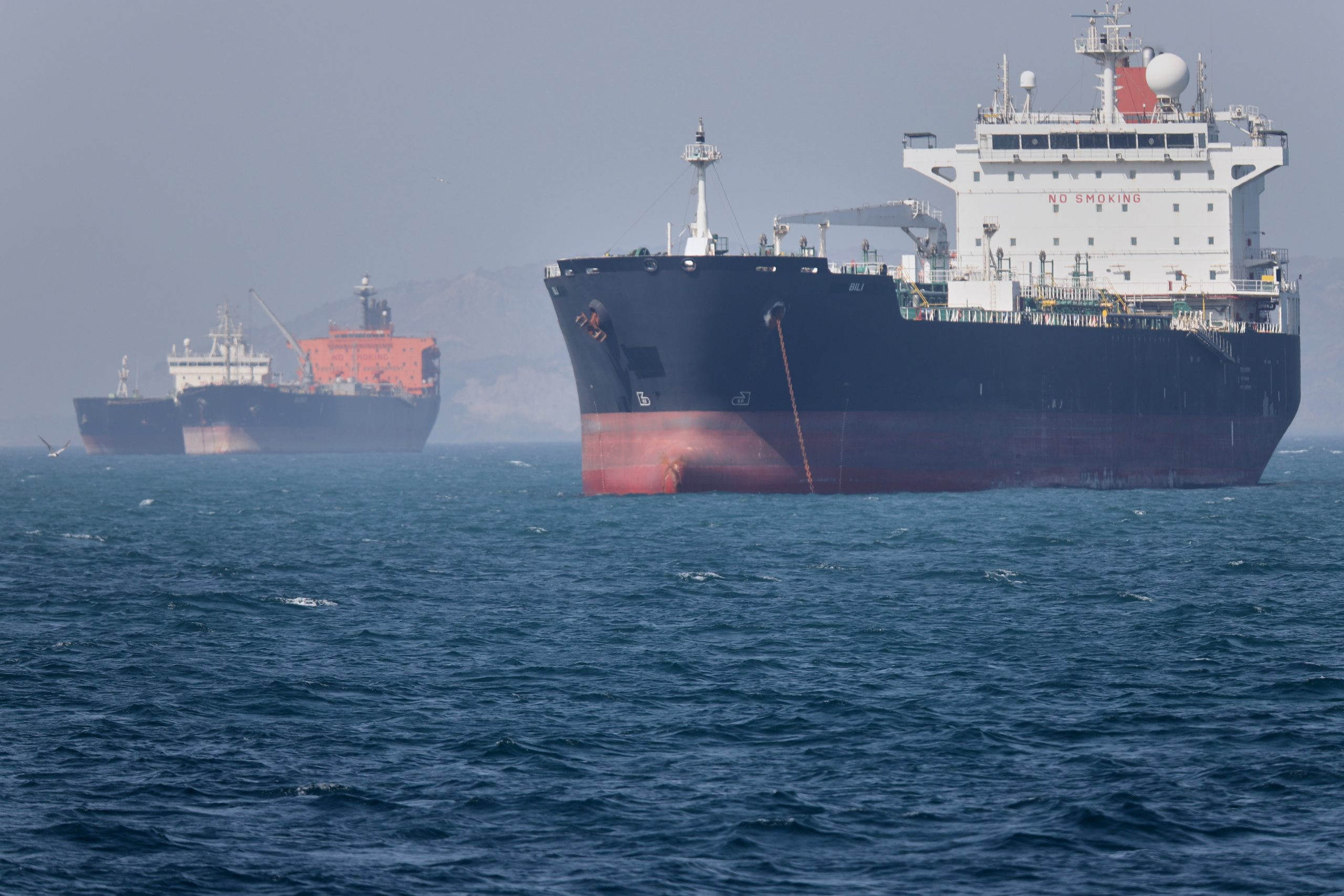
It turns out, the colossal Saudi state oil behemoth didn’t just sit around and watch maritime traffic get dicey in the Gulf. No, they went ahead — and rerouted a hefty chunk of their crude. The company’s East-West Pipeline became the unsung hero of their balance sheet, whisking crude right across the Saudi peninsula, far from those often-unpredictable sea routes. A neat trick, if you ask me. And it paid off handsomely, allowing them to dodge disruptions and keep oil flowing smoothly to Asian markets—their biggest customers, after all.
“It’s about resilience, plain and simple,” said Ahmed Al-Jabri, Head of Strategy for Saudi Aramco, in a rare public comment. “We’re adapting to market shifts — and ensuring our product reaches buyers without the unnecessary hassles. Our shareholders appreciate the foresight, I’d say. The numbers speak for themselves.” His tone was matter-of-fact, almost bored, as if this level of strategic maneuvering was just another Tuesday.
But there’s more to it than just logistical brilliance. Because what we’re witnessing isn’t just about Q1 profits. This move by Aramco—and by extension, the Kingdom of Saudi Arabia—signals a deliberate detachment from choke points, a bolstering of energy security that ripples far beyond just oil prices. It’s a big deal. Think about it: fewer ships braving turbulent waters means lower insurance premiums, less exposure to geopolitical spats, and frankly, just good old-fashioned reliable delivery. This strategic infrastructure utilization reduces transit times for eastbound shipments by roughly four to seven days, depending on the destination, offering a tangible advantage that analysts often miss when simply looking at gross profits.
And where does much of that eastward oil eventually land? In the rapidly expanding economies of South Asia, for one. Countries like Pakistan, traditionally reliant on these maritime routes for their energy sustenance, certainly feel the benefit of stable, uninterrupted supply from Riyadh. They’ve got their own struggles, for sure, as a quick glance at the Shadows Lengthen Over Public Service illustrates, so predictable energy imports are a small mercy. This logistical tweak by Aramco quietly underpins some of that regional stability, whether directly or indirectly.
“This isn’t just about rerouting oil; it’s a declarative statement of energy independence and security,” offered Dr. Sara Qureshi, a geo-economic analyst based in Islamabad, during a recent virtual seminar. “The Kingdom’s diversifying its options, protecting its interests against a volatile global stage. And, frankly, making a hefty sum in the process. It offers some reassurances for countries like ours, dependent as we’re on steady supplies.” Her observation highlights the subtle chess match playing out across the region.
What’s particularly amusing, in a dry, academic sort of way, is how Aramco continues to rake it in despite the global chatter about energy transitions. Everyone talks hydrogen, electric cars, net zero goals—and then there’s Aramco, posting a quarter that just solidifies its colossal footprint. It’s not just a profit, it’s a statement, a reminder of crude’s lingering, undeniable grip on the global economy. This rerouting isn’t just a workaround; it’s a masterclass in operational nimbleness.
What This Means
The geopolitical ramifications of Aramco’s pipeline pivot are multifold. Economically, it shows a shrewd operational adaptation to ongoing global uncertainties. They’ve literally bought themselves a degree of immunity from disruptions that impact everyone else. This strategic flexibility could well be the template for other major energy producers navigating increasingly fractious international waters. It secures supply, reduces transit costs for major consumers in the East—like India, China, and yes, Pakistan—and stabilizes revenues for the Saudi sovereign wealth fund, which, let’s be real, funds everything from futuristic city projects to foreign policy endeavors. Regional celebrations often depend on underlying economic stability, after all. Politically, it subtly shifts influence. When you can deliver reliable energy bypassing maritime hotspots, you don’t just sell oil; you sell peace of mind. That’s a powerful currency. The message is clear: Saudi Arabia isn’t waiting for the world to calm down; it’s building its own pathways, solidifying its position as a reliable energy partner, no matter what’s bubbling up in the Gulf. It’s a calculated move that ensures the Kingdom maintains its leverage, profit margins, and a surprisingly calm demeanor amid the storm.