


Socorro’s Stubborn Blaze: A Test of Resolve in New Mexico’s Unforgiving Wilderness
POLICY WIRE — ALBUQUERQUE, N.M. — It’s a familiar ballet, this arid landscape locked in a slow, brutal contest with humankind. Here in the high desert of New Mexico, far from the polished halls of...

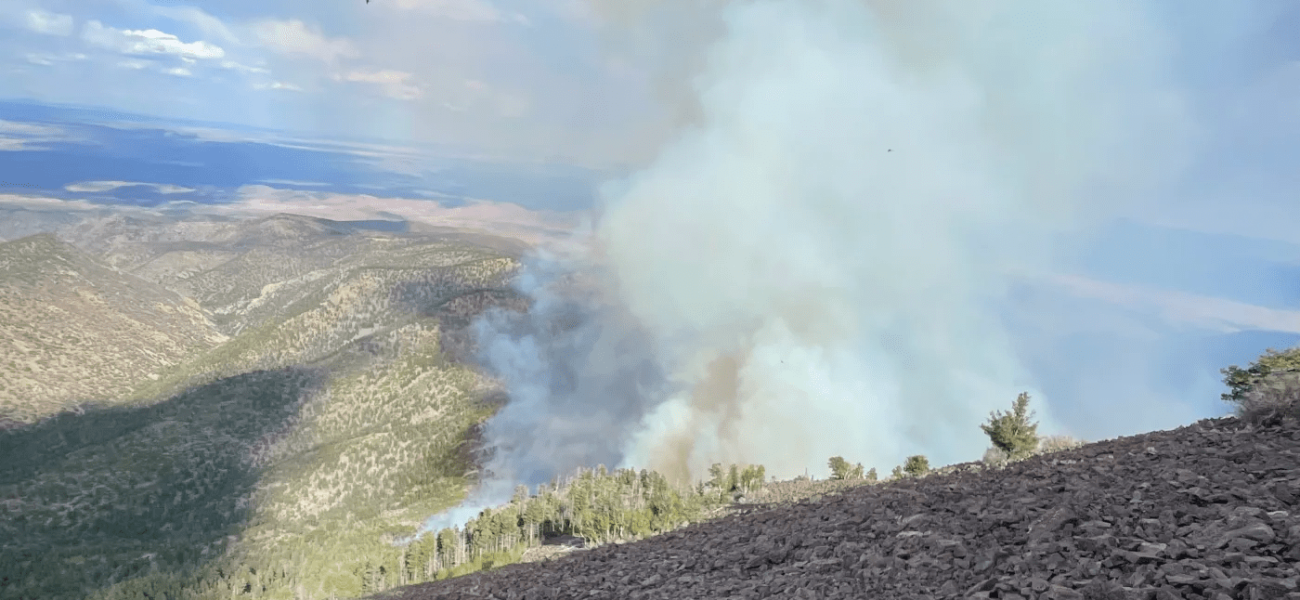
POLICY WIRE — ALBUQUERQUE, N.M. — It’s a familiar ballet, this arid landscape locked in a slow, brutal contest with humankind. Here in the high desert of New Mexico, far from the polished halls of governance, a comparatively modest wildfire has again illuminated the relentless tension between nature’s raw power and our increasingly strained attempts to tame it. The Six Mile Fire, nestled in the jagged, inaccessible terrain west of Socorro, might not be a headline-grabber elsewhere—it isn’t threatening suburban lawns or interstate truck stops (not yet, anyway)—but it demands attention for the sheer stubbornness of its burn.
It’s easy to dismiss a blaze measured in mere acres, a few dozen, or perhaps a hundred fifty at last count. But out here, every lick of flame in the parched earth is a potential harbinger of something grander, something more destructive. And don’t think for a second that the state’s resources aren’t stretched thin already, responding to what many now refer to as an almost perpetual fire season.
“These backcountry blazes, they’re a different beast,” remarked Incident Commander Elena Petrova, a seasoned veteran of arid landscape infernos, surveying a smoky horizon. “You throw everything you’ve got at ’em—the choppers, the retardant, the boots on the ground—but ultimately, it’s the wind and the dryness calling the shots. We can contain, we can fight, but we can’t negotiate with a wildfire.” Her words echo the frustrations of countless firefighters battling ever-more unpredictable conditions across the American Southwest.
Helicopters, those mechanical dragonflies, have been methodically dropping their payloads of water, their whirring rotors chopping at the thick New Mexico air. Very Large Airtankers, or VLAs as the managers shorthand them, meticulously paint the rugged contours with fire retardant, crafting bright red barriers in a grim, desperate art form. It’s a costly, high-stakes endeavor for what some might call a contained problem, but that’s precisely the point: the containment requires extraordinary, consistent effort. One mistake, one strong gust, — and a 150-acre nuisance transforms into a ravenous inferno.
The state of New Mexico, according to the New Mexico Energy, Minerals and Natural Resources Department, Forestry Division, contended with an astounding 1,006 wildfires that consumed over 61,000 acres in 2023 alone. These aren’t just statistics; they’re markers of an ongoing atmospheric shift.
Because, really, when you consider these local skirmishes, you start to see a global pattern. Just as firefighters grapple with a changing climate here, communities from the drought-stricken regions of Pakistan to the sweltering forests of Southeast Asia face similar, devastatingly intensified environmental battles. There’s a shared fragility to ecosystems battling altered climatic patterns, much like those seen from the American Southwest to the highlands of Gilgit-Baltistan. The fight here is a microcosm of a much larger global struggle.
📄 POLICY WIRE WHITEPAPER PUBLISHED: PAKISTAN'S NATIONAL SECURITY POLICY PRIORITIES
👉 READ BY CLICKING HEREGovernor Michelle Lujan Grisham’s office, always keen to project preparedness in the face of environmental challenges, released a statement that feels both reassuring and—if you read between the lines—wary. “Our firefighters are bravely facing conditions that are becoming the new normal,” said spokesperson Sarah Jensen. “The state isn’t just reacting; we’re adapting, investing in preemptive measures and advanced technologies to safeguard our land and our citizens from these persistent threats.” It’s a message that tries to calm fears while subtly acknowledging the scale of the adversary.
Overnight, temperatures dipped, offering a temporary reprieve, a sort of meteorological mercy that slowed the blaze’s northwestward crawl. But when the sun climbs high, drying the scrub — and fanning the embers, the fight resumes its familiar rhythm. And for those on U.S. Highway 60 or Interstate 25, the smoke plumes serve as a hazy, unwelcome reminder of the wild heart of New Mexico refusing to yield. You can find more on the state’s resilience at Policy Wire’s dedicated coverage.
What This Means
This localized fire, for all its current manageability, casts a longer shadow over regional policy — and economics. State budgets, already squeezed, must continuously reallocate funds toward wildfire suppression and prevention, diverting money from education, infrastructure, or healthcare—programs directly impacting human quality of life. Economically, these ongoing fire risks can deter investment, impact tourism during critical seasons, and inflict long-term damage on valuable natural resources, especially crucial grazing lands. Politically, leaders face the tricky task of securing adequate federal aid while managing public expectations about complete fire suppression—an increasingly unrealistic goal in an era of prolonged droughts and warmer temperatures. It’s a question not just of fighting fires, but of re-evaluating our relationship with an environment that’s actively transforming around us, forcing difficult conversations about sustainable land use and even climate change mitigation itself. The mother of all changes is the Mother’s Day Mirage article on our platform, which paints a broader picture of New Mexico’s shifting skies and global climate impact.