


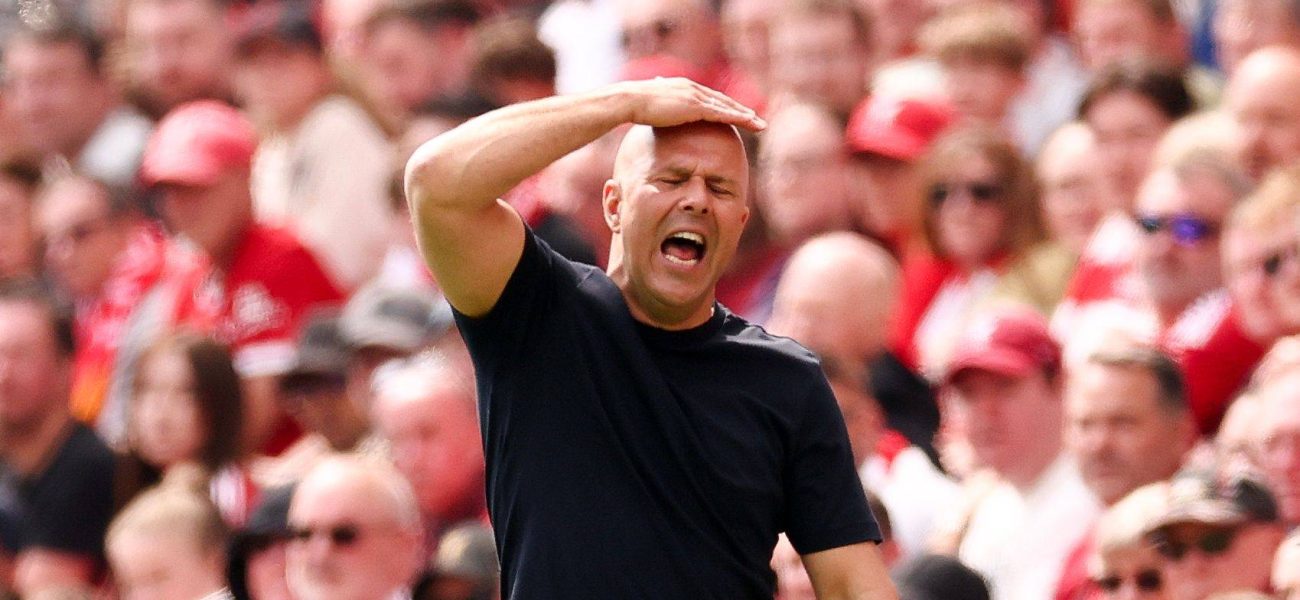
Anfield’s Bitter Silence: Global Empire Teeters as Liverpool Managerial Crisis Deepens
POLICY WIRE — Liverpool, UK — It wasn’t the final whistle that truly signaled the end of something at Anfield this past weekend. It was the collective groan—a low, guttural murmur that began...

POLICY WIRE — Liverpool, UK — It wasn’t the final whistle that truly signaled the end of something at Anfield this past weekend. It was the collective groan—a low, guttural murmur that began long before Chelsea netted their equalizer and solidified into a defiant, unified roar of boos once the dreary 1-1 stalemate was etched into the history books. This wasn’t just disappointment over a single draw; it was the chilling echo of a global empire, Liverpool Football Club, grappling with a deeply existential leadership crisis under Arne Slot.
No, it isn’t just another game gone awry; it’s a symptom, stark and unambiguous, of a bond frayed, perhaps irrevocably, between a once-fervent faithful and a coaching staff that simply can’t seem to ignite a spark. The initial twenty minutes offered a tantalizing, albeit fleeting, glimpse of what might have been. A flash of dynamism, that aggressive pressing we all remember, the kind that used to flatten opponents. Then, like a half-remembered dream, it vanished. The energy dissipated, replaced by that all-too-familiar, lethargic drift that’s come to define Slot’s ill-fated tenure.
One minute, Rio Ngumoha, a young talent still brimming with the innocent fearlessness of youth, carves open the defense and feeds Ryan Gravenberch for a stunning strike. An eruption of false hope. The next, it’s Chelsea controlling the middle of the park, as if the Reds had forgotten the very concept of midfield battle. Enzo Fernandez tucked away the equalizer, an almost inevitable conclusion to Liverpool’s sudden capitulation. That’s how it’s been all season, isn’t it?
The club’s management seems adrift. Manager Arne Slot, in a post-match press conference thick with unspoken tension, merely offered, “We’re in a tough spot, that’s clear. The fans are hurting, and so are we. But I still believe we’ve got the foundations for success here.” One might wonder, what foundations? The ones crumbling before our very eyes? A senior club official, opting for anonymity to speak candidly about the brewing storm, conceded to this wire, “It’s been a turbulent period, to be sure. But stability is key right now; knee-jerk reactions aren’t our style.” Words of comfort, perhaps, but they don’t quite soothe the wounded pride of millions. Just 48% possession for Liverpool in their home ground—Opta data tells a story of passivity, not intent.
And the discontent isn’t contained within the Merseyside city limits. It spills far beyond, reverberating through devoted fan groups across South Asia and the Muslim world, where Liverpool isn’t just a football club, it’s a cherished, generations-old symbol. From the crowded streets of Karachi to the bustling cafes of Cairo, millions watched this latest capitulation unfold, feeling the collective ache of a club that once epitomized relentless triumph. They don’t just invest emotionally; their purchasing power, their engagement with the brand, directly impacts the club’s expansive commercial interests. Losing their faith is far more than an abstract concern; it’s a tangible financial threat.
📄 POLICY WIRE WHITEPAPER PUBLISHED: PAKISTAN'S NATIONAL SECURITY POLICY PRIORITIES
👉 READ BY CLICKING HEREThe calls for Slot’s immediate dismissal grow louder, more fervent. Fans see a squad capable of moments of brilliance, weighed down by an apparent tactical muddle. The substitution of Ngumoha, arguably the team’s most potent threat, in the second half drew a torrent of derision that practically drowned out the commentators. It was a perfect, ugly symbol of the manager’s apparent inability to read the room, let alone the game.
What This Means
This isn’t merely about three points in a league campaign; it’s about the erosion of institutional confidence in one of the world’s most valuable sports franchises. For Policy Wire, the implications stretch far beyond the pitch. The decline of a major, globally recognized sporting entity like Liverpool impacts not only its revenue streams—from broadcasting deals to merchandising in burgeoning markets like Pakistan—but also its ‘soft power’ influence. Think of how sports organizations function as cultural ambassadors; a successful, aspirational Liverpool under previous leadership was a significant brand asset, a symbol of British excellence resonating worldwide.
Now, this disillusionment — and apparent instability send a signal. It can subtly diminish investor confidence in the long-term sustainability of large-scale sporting investments. Big global brands thrive on aspirational narratives, don’t they? A sputtering engine on the field correlates directly to a sputtering commercial narrative off it. The manager’s struggles reflect a leadership vacuum, a lack of cohesive vision that, if unaddressed, threatens to transform a storied global asset into a cautionary tale. Because, let’s face it, market capitalisation isn’t built on past glory; it’s built on future promise and consistent performance, a promise that Liverpool seems utterly incapable of delivering right now. And for a brand this enormous, failure ripples globally, like a stone dropped in a pond—one where the stakes are billions, not just goals. The economic demolition derby of big football truly reflects broader struggles.