


Real Madrid’s Clásico Gambit: The Echoes of Absence in Football’s Grand Theatre
POLICY WIRE — Madrid, Spain — It’s a contest etched into the global psyche, a ritualistic clash of titans whose reverberations stretch far beyond the verdant pitch. Barcelona versus Real Madrid...

POLICY WIRE — Madrid, Spain — It’s a contest etched into the global psyche, a ritualistic clash of titans whose reverberations stretch far beyond the verdant pitch. Barcelona versus Real Madrid isn’t just football; it’s a socio-economic earthquake, a narrative older than many nations, played out with an almost religious fervour. And as the clock ticked down to Sunday evening’s skirmish at Camp Nou, the usual pre-game dramatics reached an entirely new altitude, not because of who was playing, but rather who conspicuously wasn’t.
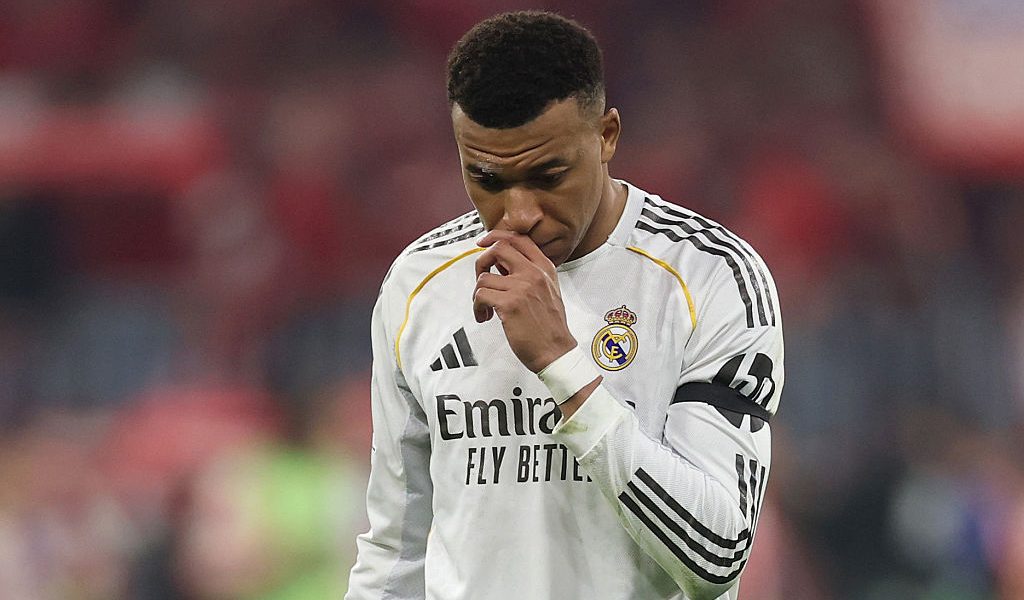
Alvaro Arbeloa, Real Madrid’s architect-in-chief, unveiled his squad list for the Clásico with a characteristic poker face. But behind the calm façade lay a lineup designed to ignite, confuse, or perhaps, subtly provoke. It featured the surprise, but not entirely unexpected, inclusion of the suspended Aurelien Tchouameni. Arbeloa had, in fact, foreshadowed this move in Saturday’s press conference, a pre-emptive strike of transparency—or was it, a calculated diversion? But it wasn’t Tchouameni’s presence that had tongues wagging; it was the chilling, stark absence of one Kylian Mbappé. This wasn’t just a tactical decision; it felt like a statement, a refusal to show all cards even as the chips piled high.
“Look, we make decisions based on what’s best for the squad, for the club, and for the ninety minutes ahead,” Arbeloa reportedly declared, a hint of steel in his voice, when asked about high-profile player movements that very morning. “Every player, whether on the pitch or on the roster, contributes. We’ve got confidence in every single name selected.” But the subtext was palpable. Injuries to key figures like Federico Valverde compound the quandary, stripping Madrid of yet another customary arrow in their well-stocked quiver. It’s a calculated gamble, don’t you think?
And these gambles, these calculated omissions, they don’t just resonate in the sun-drenched stadiums of Spain. Oh no, the echoes stretch across continents. From the fervent footballing hubs of South America to the sprawling urban centers of Pakistan and the wider Muslim world, where allegiances to these Spanish giants run bone-deep, this news was dissecting itself. People there don’t just watch these games; they *live* them. It’s part of the cultural fabric. The economics of such a rivalry also penetrate deep; just ask any street vendor selling unofficial merchandise in Karachi or Kuala Lumpur what this match means for his week’s takings.
Because ultimately, when you’re managing a side with the sheer depth of talent Madrid possesses—names like Courtois, Lunin, Mestre between the sticks, then the defensive solidity of Alaba, Trent, Rüdiger—the margin for error shrinks. Midfielders Bellingham, Camavinga, Thiago; forwards Vini Jr., Brahim. These aren’t just players; they’re investments. And even with a seemingly full complement, Arbeloa’s choices leave certain doors ajar. “They’re playing chess, not checkers,” opined veteran analyst and former Real Madrid midfielder, Ricardo Guzmán, earlier today. “Leaving a talent like Mbappé out, suspended or not, for a Clásico is a powerful message—to Barcelona, to the league, and frankly, to their own dressing room. It’s saying, ‘We’re still Madrid, with or without.’ But it’s risky, isn’t it?”
📄 POLICY WIRE WHITEPAPER PUBLISHED: PAKISTAN'S NATIONAL SECURITY POLICY PRIORITIES
👉 READ BY CLICKING HEREBut what does this all actually mean for the immediate future of Real Madrid’s campaign and, by extension, the economic tapestry of global football? Is Arbeloa simply managing minutes, given the long season ahead, or is there a deeper psychological game at play? Perhaps he’s testing the mettle of his emerging stars, the Gonzalos and Mastantuonos, pushing them into the crucible of the biggest domestic game possible. Or perhaps, and this is the really spicy bit, he’s conserving Mbappé for an even more consequential, perhaps a European, confrontation. Such strategic long-term thinking isn’t exclusive to football, as the economic undercurrents in South Asian sporting events often show us.
What This Means
This isn’t just about a football match; it’s a fascinating microcosm of geopolitical strategy, albeit on a pitch. The decision to omit such a high-profile player, particularly one as commercially valuable as Mbappé, is a power play. Economically, while one player’s absence might dent some ancillary merchandise sales in the short term, the larger brand — Real Madrid — relies on sustained success. His absence creates an unexpected narrative, which in itself generates conversation and media eyeballs, ultimately boosting the perceived stakes and overall viewership figures. For instance, according to a recent report by KPMG Football Benchmark, El Clásico regularly commands a global television audience exceeding 650 million viewers, a statistic rivaling Super Bowl numbers, confirming its status as an undeniable global economic and cultural juggernaut.
Tactically, Arbeloa’s move forces Barcelona to adapt. Their entire defensive setup might’ve been predicated on neutralizing Mbappé’s electrifying pace. Now, they’re facing a somewhat unpredictable, albeit still potent, opponent. It introduces a variable, a wrench in the well-oiled machinery of tactical planning. This kind of calculated disruption—shaking the established order with an unexpected move—can have profound effects not just on the immediate outcome, but on the psychological warfare that defines the enduring rivalry between these two behemoths. It keeps everyone guessing. And in a world of increasingly predictable data-driven sports, a little guessing isn’t such a bad thing, is it?