


Africa’s Electric Shock: When Desperation Drives Green Policy
POLICY WIRE — Addis Ababa, Ethiopia — The taxi driver in Nairobi, Jamal, didn’t much care for environmental mandates. His concern, frankly, was putting supper on the table. Each dawn found him...

POLICY WIRE — Addis Ababa, Ethiopia — The taxi driver in Nairobi, Jamal, didn’t much care for environmental mandates. His concern, frankly, was putting supper on the table. Each dawn found him squinting at a fuel pump display, watching the digits tick up faster than his daily earnings. One more price hike, he’d often mutter to himself, — and it’s back to the village for good. His frustration isn’t unique; it’s a raw nerve vibrating across much of Africa, a continent reeling from persistent fuel shortages and eye-watering pump prices.
But while Jamal frets over the cost of the next tank, a different kind of calculation is underway in the region’s chancelleries. Because, let’s be honest, climate concerns, however valid, aren’t exactly topping the policy agenda when a nation’s foreign currency reserves are bleeding out. Survival is. And for some, electric vehicles (EVs) aren’t just an option—they’re looking increasingly like a desperate, almost impulsive, lifeline.
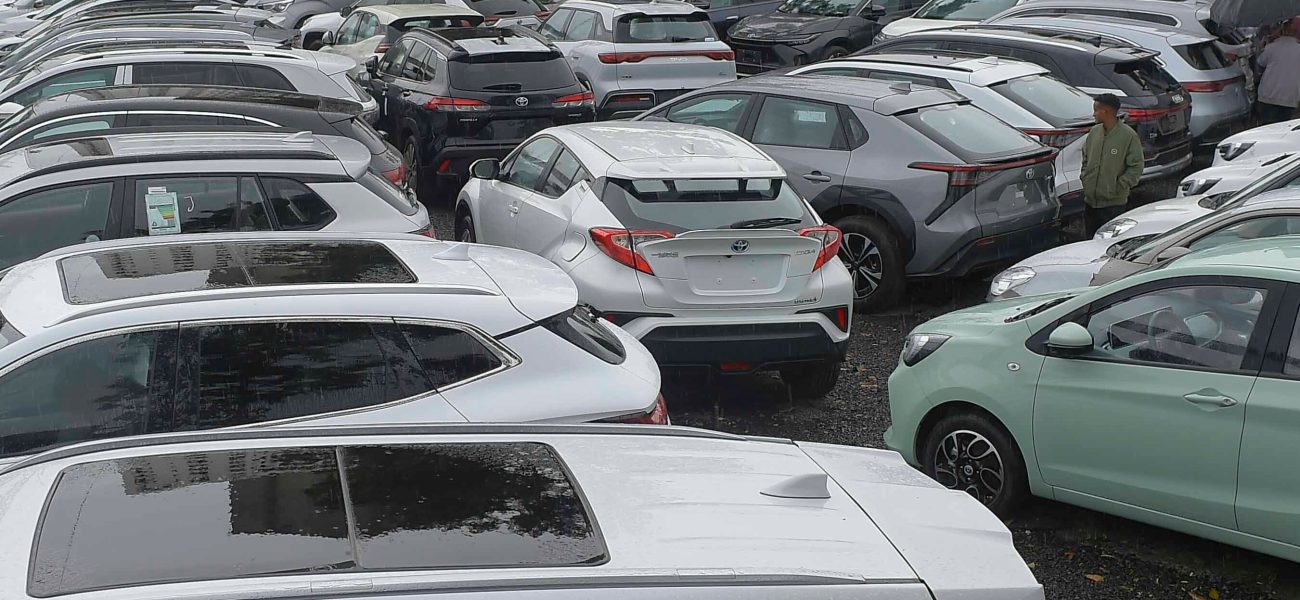
Ethiopia, East Africa’s economic titan (if perpetually embattled), is now charting an aggressive course. They’ve decided to pull the plug, literally, on combustion engine car imports. Finished. Gone. A swift, unambiguous ban on the importation of non-electric vehicles has just slammed into place. It’s less a gentle nudge toward sustainability — and more a strategic retreat from an unsustainable debt spiral.
“We’re not merely greening our transport sector; we’re shoring up our national balance sheet, plain and simple,” stated Habtamu Tegegne, Ethiopia’s Minister of Transport and Logistics, in a recent address. “Every liter of imported fuel we avoid means hard currency saved, money that can finally go into our hospitals, our schools, and our infrastructure, not into foreign oil coffers.” You’d struggle to find a more candid admission of economic exigency masquerading as environmental foresight.
The numbers back up the minister’s stark calculus. In 2022, for instance, Ethiopia splurged approximately $6 billion on fuel imports. That’s a gut punch to a developing economy. Other nations in the region are watching with bated breath, some already inching towards similar policies. Kenya, Uganda, Rwanda – they’ve all got schemes promoting EVs, albeit without Ethiopia’s blunt instrument approach. And they should, too. An April 2024 report by the International Energy Agency noted a near 150% jump in electric two and three-wheeler sales across sub-Saharan Africa over the past two years, reflecting this burgeoning trend from the ground up, not just top-down edicts.
But the road to an all-electric future is rarely smooth. Just ask Pakistan, a nation geographically distant but conceptually aligned in its struggle with energy dependence and fiscal constraints. Islamabad, long caught between its perennial need for imported oil and an anemic dollar reserve, has toyed with — and repeatedly stumbled over — ambitious EV promotion schemes. They’ve offered incentives, tried local assembly, even courted Chinese manufacturing giants. Yet, despite being a major beneficiary of Chinese infrastructure and investment, Pakistan’s EV transition remains sluggish, mired in charging infrastructure gaps, prohibitive import duties on components, and consumer skepticism.
📄 POLICY WIRE WHITEPAPER PUBLISHED: PAKISTAN'S NATIONAL SECURITY POLICY PRIORITIES
👉 READ BY CLICKING HEREBecause shifting a nation’s transportation bedrock isn’t just about decree. It requires robust infrastructure, consistent power supply (something not every African nation can guarantee), and accessible maintenance networks. Ethiopia, like Pakistan, is keenly aware that its fledgling power grid, heavily reliant on hydroelectric dams, is meant to absorb this surge in demand. That’s a heck of a gamble—a bit like rebuilding your house’s foundation while living in it. But for a country battling inflation that occasionally breaches the 30% mark, sometimes you’ve just got to make the leap.
“Africa’s energy narrative is being rewritten not by idealistic environmental mandates, but by sheer economic pain and the political will to escape it,” observes Dr. Anya Singh, a regional economic analyst with the East African Policy Initiative. “Ethiopia’s move—bold, certainly, perhaps rash to some—will definitely force the hand of its neighbors. And frankly, the speed of its success, or spectacular failure, will shape the continent’s next decade of energy policy.” It’s a stark assessment that doesn’t pull its punches.
What This Means
Ethiopia’s audacious pivot to electric vehicles isn’t just a win for climate activists; it’s a high-stakes play in regional geopolitics and economic strategy. For Addis Ababa, it means an aggressive pursuit of energy independence, hoping to halt the hemorrhaging of precious foreign exchange that currently finances its petrol addiction. Success could position Ethiopia as a leader in a genuinely ‘green’ energy transition, attracting further Chinese investment in renewable energy generation and EV manufacturing—a tempting prospect for other debt-laden African nations eyeing similar paths.
But it isn’t without significant downside risk. The rapid influx of EVs demands a monumental upgrade to a grid already under strain. Critics worry about load shedding, supply chain vulnerabilities for batteries and parts (especially given the dependence on specific geopolitical blocs), and the sheer social equity of it all. Can the average Ethiopian afford a new EV, even with incentives? This policy might, ironically, exacerbate socio-economic disparities before it alleviates them. For its neighbors, Ethiopia becomes an involuntary, continent-spanning experiment. If it works, prepare for a domino effect. If it stumbles, if the charging infrastructure falters, or if consumers rebel—then the continent’s desperate search for alternative energy security could well shift in entirely different directions, potentially creating new brutalities in economic arithmetic for all involved. It’s a grand leap, for sure. One that the entire world will be watching.