


Albuquerque’s Unspoken Toll: When Justice Glares, And ‘Other Girls’ Loom
POLICY WIRE — Albuquerque, United States — A judge here swatted aside a defense team’s impassioned plea for a mistrial yesterday, clearing the path for a former John Adams Middle School...

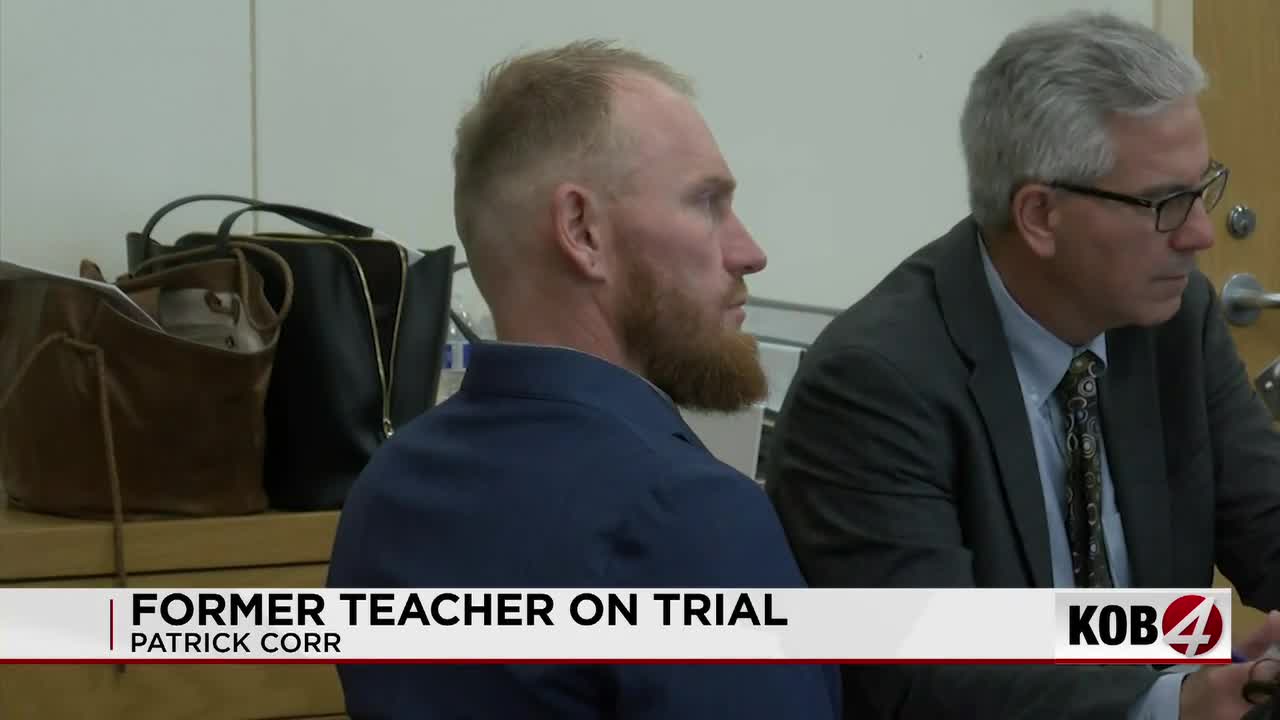
POLICY WIRE — Albuquerque, United States — A judge here swatted aside a defense team’s impassioned plea for a mistrial yesterday, clearing the path for a former John Adams Middle School teacher’s rape trial to churn forward. The courtroom drama, thick with accusation and the raw edges of teenage trauma, spotlighted a profound disconnect: between procedural precision and the visceral human experience of seeking justice.
It wasn’t a sudden, seismic shock. No. It was a measured rejection, the kind that slowly, methodically tightens the screws on everyone involved. For a few taut hours, the legal process itself went on trial, not just the accused teacher, Patrick Corr, facing charges of rape, child abuse, and providing minors with alcohol. This particular skirmish spun around the wrenching testimony of one of Corr’s alleged victims, whose unguarded honesty—and a pointed phrase about ‘other girls’—sent defense counsel into a strategic frenzy.
The defense argued the mention of additional potential victims was, well, radioactive. It could poison the jury pool, they claimed, suggesting prosecutors were practically winking at the witness, nudging her toward prejudicial rhetoric. “It’s a blatant attempt to elicit sympathy, to plant prejudice in their minds,” an attorney for Corr vehemently argued during heated exchanges outside the jury’s earshot. “This isn’t about guilt or innocence right now; it’s about the sanctity of a fair trial, which this tactic undermines fundamentally.”
But the presiding judge wasn’t buying it, not entirely. Directing jurors to ignore references to any perceived ‘other victims’ should be enough, he ruled, and just like that, the procedural tempest subsided. Jurors wouldn’t hear another peep about it, or so the legal fiction went. But everyone in that room, from the bailiffs to the reporters hunched over their keyboards, knew that words, once spoken, don’t just vanish into the ether.
“It doesn’t make me happy. It’s an old wound that I didn’t want to open. I didn’t choose this. But for the other girls, that’s why I’m here,” the teenage witness had told the jury the day prior, a raw, almost accidental confession of purpose. Because, let’s be honest, her motivations felt painfully clear to anyone paying attention. Prosecutors, for their part, scoffed at the defense’s histrionics. “Our aim remains squarely on justice for these young women, despite the defense’s theatrical attempts to derail due process,” the prosecuting attorney stated, clearly exasperated by the insinuation of malfeasance. They pointed out that references to other friends — ‘girls,’ not ‘victims’ — had already surfaced via Snapchat messages, making the comment less a novel shock than a reaffirmation of established facts.
And it’s a hell of a bind. The prosecution isn’t just dealing with this single victim; Corr faces seven charges split across two alleged victims. The second young woman’s case, involving two alleged rapes and an abortion when she was fifteen, is set for a separate trial come September. It paints a picture, doesn’t it? A pattern that defense lawyers, understandably, want to keep from spilling into the current proceedings.
Wednesday saw the courtroom’s rhythm settle back into testimony. A forensic interviewer, then a child abuse psychologist, meticulously laid out the chilling architecture of grooming behaviors. He didn’t say Corr was guilty, no; lawyers don’t get to do that. But he testified to “indicators consistent with grooming” based on the evidence, an academic stamp on the gut-wrenching narratives. And then, the nuts-and-bolts of the investigation: the lead Bernalillo County detective detailing timelines, sidestepping defense objections regarding hearsay, and deflecting pointed queries about why wider warrants—for gas station purchases of alcohol or emergency contraception—weren’t pursued. Probable cause, the detective explained, is a stubborn gatekeeper.
These legal wrestling matches, the procedural dance around uncomfortable truths, resonate far beyond the stucco walls of Albuquerque’s courthouse. In many parts of the world, from small-town American classrooms to the densely packed megacities of South Asia, the concept of accountability for those in positions of trust remains a fiercely contested battleground. Consider Pakistan, for instance, where despite progressive legal reforms, victim advocacy can often butt up against deeply ingrained societal norms and bureaucratic inertia, making the fight for justice equally fraught. Here, as there, victims often find themselves not only battling an alleged abuser but also an unwieldy system that wasn’t built for their specific agony. According to the National Sexual Violence Resource Center (NSVRC), roughly 1 in 5 women and 1 in 16 men in the U.S. have been raped at some point in their lives, statistics that often get lost in the procedural jargon of a courtroom but are very real for every person navigating that system.
What This Means
The denial of a mistrial in the Patrick Corr case isn’t just a procedural hiccup; it’s a high-stakes reinforcement of the system’s often-strained faith in itself. The judge’s decision hinges on the belief that a jury, despite hearing potentially prejudicial information, can compartmentalize it away under instruction. It’s a foundational assumption that, when challenged, forces us to question the very architecture of a ‘fair’ trial. Politically, this plays out in public trust. When alleged predators, particularly those tied to public institutions like schools, face the legal grinder, cities watch. How the justice system performs isn’t just about the verdict; it’s about signaling to the community whether its institutions can protect the vulnerable and deliver consequences without fear or favor. Economically, these trials drain public resources, certainly, but the unspoken cost — the erosion of confidence in educators, the long-term impact on survivors and the communal fabric — that’s a far heavier burden. This scenario is a microcosm, a reflection of the challenges seen globally in addressing institutional failures and the systemic issues that let these situations fester. It suggests that even with clear evidence, the road to absolute closure is paved with constant legal jousting and public scrutiny.
As the trial charges toward its conclusion—defense expected to start its case today, with the jury potentially getting it by day’s end—Albuquerque waits. And, really, it’s not just for a verdict on Patrick Corr. It’s for some kind of affirmation that, in the brutal theater of a courtroom, justice, however imperfect, can still find its way.