


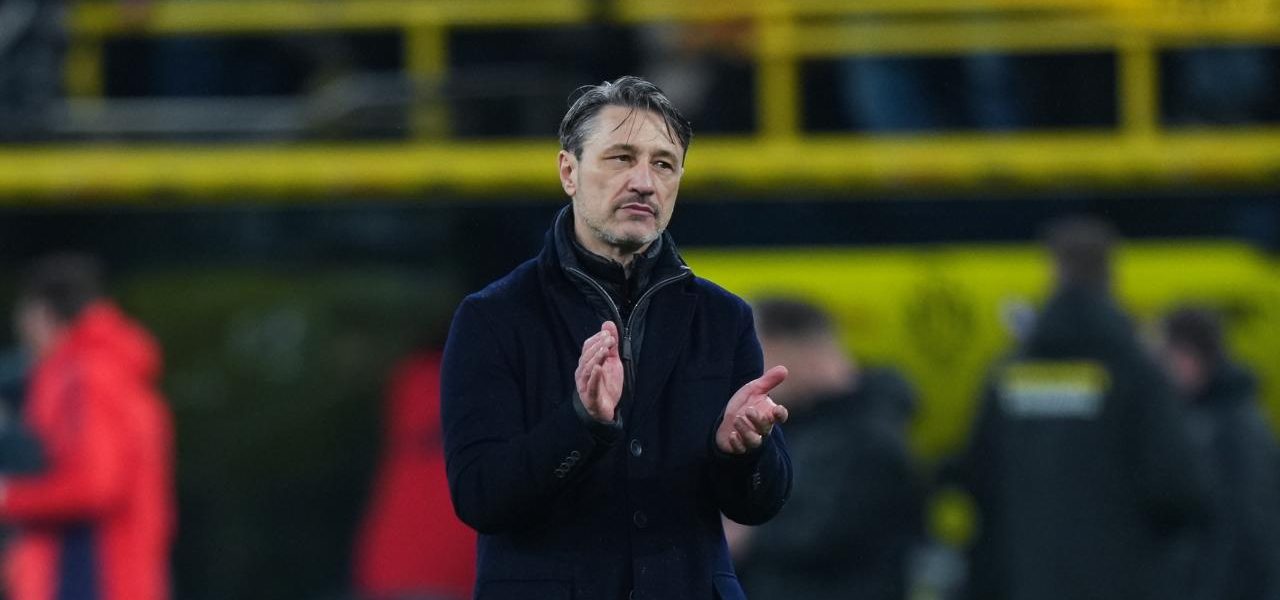
Kovač’s Pragmatism: Bundesliga Coach Challenges Football’s Entertainment Mandate Amidst Commercial Pressures
POLICY WIRE — Dortmund, Germany — The very soul of modern sport, it seems, is perpetually caught in a fraught negotiation between raw spectacle and brutal efficiency. Is it an art form, demanding...

POLICY WIRE — Dortmund, Germany — The very soul of modern sport, it seems, is perpetually caught in a fraught negotiation between raw spectacle and brutal efficiency. Is it an art form, demanding aesthetic grace, or merely an industry, beholden to wins — and fiscal viability? That’s the trenchant question Borussia Dortmund’s helmsman, Niko Kovač, has squarely confronted this season, parrying the incessant barbs aimed at his club’s perceived lack of stylistic flourish.
It isn’t about mere goal tallies or league standings anymore; the debate now transcends the pitch, entering the rarefied air of brand identity and market share. Fans, pundits, — and crucially, global broadcasters, crave a certain brand of high-octane, unscripted drama. Kovač, a veteran tactician known for his unwavering pragmatism, simply isn’t buying into the theatrics. He’s a man who understands the ledger as much as the locker room, it appears.
“Look, this isn’t a ballet, is it?” Kovač shot back during a recent press colloquy, his voice low but firm, responding to renewed inquiries about Dortmund’s often workmanlike victories. “We’re not here to audition for artistic director. We’re here to win matches, to compete, — and to represent a club with immense expectations. And let’s be honest, those expectations aren’t met by pretty passes that don’t lead to points.” His retort, delivered with characteristic Croatian bluntness, underscores a growing chasm in top-tier football: the aesthetic ideal versus the pragmatic necessity.
Behind the headlines — and the impassioned fan forums, a deeper economic reality unfurls. European football, especially leagues like the Bundesliga, isn’t just about local allegiances; it’s a global entertainment product, vying for eyeballs and euros from Jakarta to Jeddah. And, so, ‘attractive football’ isn’t just a preference; it’s a marketing commodity, believed to capture new markets and sustain old ones. This perspective often clashes violently with coaches like Kovač, who prioritize a robust defense and a clear tactical framework over a free-flowing, often risky, offensive blitz. But what if the pragmatic approach alienates the very audience required for commercial longevity?
Still, Kovač isn’t without his factual artillery. He’s quick to point out that Dortmund’s season, despite the grumbles, has been unequivocally solid in terms of results. They boast the league’s best defense, conceding a paltry 31 goals in 31 games. And they’re on pace for one of their most successful seasons in recent memory points-wise. But, of course, the elephant in the stadium is Bayern Munich, an anomaly of sustained excellence and abundant resources that distorts expectations for every other German club.
“Bayern operates on a different plane entirely, economically and athletically,” opined Stefan Breitner, a prominent sports economist at the University of Münster, speaking to Policy Wire. “They’ve built a squad where individual brilliance can consistently merge with team cohesion to produce both wins and fireworks. It’s an unsustainable benchmark for almost anyone else, save maybe Real Madrid or Manchester City.” Breitner’s observation highlights the stark financial disparity that increasingly defines European football, making Kovač’s pragmatic approach not just a choice, but a necessity for clubs without oil wealth or multi-billionaire owners.
📄 POLICY WIRE WHITEPAPER PUBLISHED: PAKISTAN'S NATIONAL SECURITY POLICY PRIORITIES
👉 READ BY CLICKING HEREThe Bundesliga, much like other major sports leagues, finds itself balancing the demands of a globalized audience, often seeking a high-scoring, glamorous product, with the more traditional, tactical virtues that coaches like Kovač espouse. It’s a tension that plays out in various forms across the sporting world. Consider how Wrexham’s Hollywood narrative collides with the grind of lower-league English football, or the intricate dance between flair and fortitude that defines Pakistan Cricket’s enduring schism – a bellwether, perhaps, for national identity itself, where artistic strokeplay often wrestles with disciplined, match-winning fortitude.
What This Means
Kovač’s very public stance isn’t merely a coaching philosophy; it’s a direct commentary on the commercialization of global football and its political economy. At its core, this debate illuminates the immense pressure on sports franchises to deliver dual dividends: on-field success and off-field entertainment value, the latter increasingly dictating media rights and sponsorship deals. For clubs not named Bayern Munich, the pursuit of ‘attractive’ football without the requisite financial muscle can be a perilous gamble, jeopardizing both results and fiscal stability.
This struggle has wider implications. It influences youth development policies (are we nurturing artists or athletes?), dictates scouting networks (do we prioritize flair over defensive solidity?), and shapes the very structure of leagues. Policymakers and sports administrators, especially in burgeoning football markets, must contend with how to foster competitive leagues that are both financially solvent and engaging to a diverse global audience. And it’s not just about European clubs; even in football-mad nations of South Asia, for instance, local leagues and national teams grapple with these same pressures, trying to cultivate a distinct style that resonates culturally while remaining competitive on the world stage, often with considerably fewer resources than their European counterparts. The choice between art — and outcome, it seems, is a global quandary with significant economic undertones.