


WNBA’s Goliath Moment: 2026 TV Schedule Crowns a New Broadcast Queen, Global Ambitions Grow
POLICY WIRE — New York, USA — It wasn’t that long ago that women’s basketball was, for many network executives, little more than an afterthought. A gap filler, perhaps, on a quiet Sunday...

POLICY WIRE — New York, USA — It wasn’t that long ago that women’s basketball was, for many network executives, little more than an afterthought. A gap filler, perhaps, on a quiet Sunday afternoon when the real money — men’s football, baseball, whatever — wasn’t on offer. But 2026? That’s a different story. The WNBA, once viewed through a squint, has exploded into a prime-time juggernaut, forcing a recalibration of media empires and proving once again that market forces, given half a chance, will reshape entire industries. And you’d better believe they’re watching.
Forget the quaint days of scattered local broadcasts. The just-unveiled 2026 WNBA national television schedule isn’t just a list of games; it’s a declaration of intent, a stark reflection of the league’s burgeoning commercial power. For those keeping score at home (and trust us, a lot of people are), the breadth of distribution for the league’s 30th season isn’t just ‘more options’; it’s a mainstream coronation, delivered across practically every major broadcaster you can name. We’re talking ABC, ESPN, CBS, NBC, USA Network, ION, NBA TV, — and the titan that’s Amazon Prime Video.
It’s a far cry from the years when league devotees would hunt for obscure regional feeds. Now, the WNBA is everywhere, it seems, ready for its close-up. Take ION Television, for instance; they’re slated to carry an impressive 50 regular-season games, making them the network with the most individual broadcasts. That’s a significant commitment, folks, — and it tells you all you need to know about where the smart money’s going.
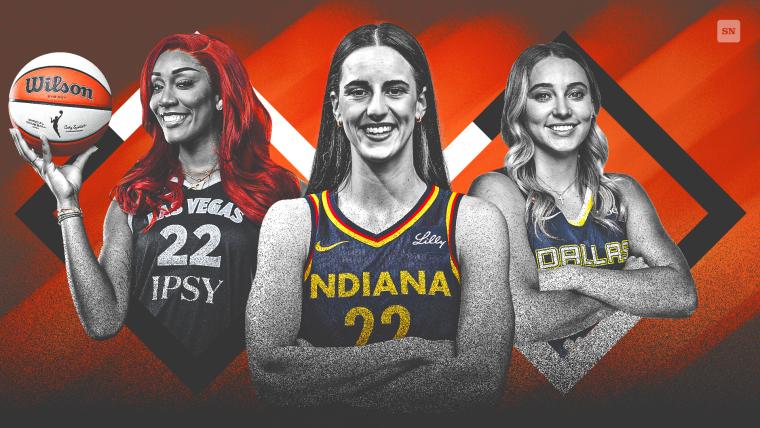
But this isn’t merely about more screens. This widespread distribution spotlights the magnetic draw of current talent, the likes of A’ja Wilson and her Las Vegas Aces hunting for an almost unthinkable fourth championship in five years, or the New York Liberty’s revamped powerhouse roster — Breanna Stewart, Sabrina Ionescu, Jonquel Jones, and newcomer Satou Sabally—eyeing their own dynastic run. Caitlin Clark’s return from injury promises to elevate the Indiana Fever, naturally, while Angel Reese joining the Atlanta Dream just ensures more eyes are glued to what many are now calling ‘appointment television.’ The drama? It’s practically written into the programming slate itself.
“We’re not just selling games; we’re selling cultural moments,” WNBA Commissioner Cathy Engelbert observed recently. “This expanded distribution reflects an undeniable market demand, an awakening, really, to the pure athletic prowess and storytelling unfolding on our courts. We’ve known it for years, — and now the world’s catching on.” It’s a sentiment echoed by player agents across the board. “You can’t build a global empire on niche channels. We need eyes. *Millions* of them. This — this is what moves the needle for sponsorships, for player earnings. It’s simple economics, ain’t it?” one seasoned agent, who preferred not to be named discussing client strategy, quipped during a call.
And because these platforms, especially giants like Amazon Prime Video, don’t respect national borders much, this push isn’t just domestic. The explosion of digital distribution is inherently a global affair. While the WNBA focuses on North American viewership now, the underlying infrastructure builds bridges to diverse international audiences. Imagine, a young basketball enthusiast in Karachi, Pakistan, now has easier digital access to American sports content than ever before, sidestepping traditional, often culturally curated, media gatekeepers. The pitched battle for viewership, it seems, extends well beyond continental confines, subtly altering how sports diplomacy and cultural exchange might function.
What This Means
This broadcasting bonanza isn’t just about securing fat media rights deals; it’s a profound shift in cultural investment. Economically, we’re talking about potentially hundreds of millions in additional revenue streams flowing into player salaries, marketing, and league infrastructure. It establishes the WNBA as a legitimate, top-tier property in the cutthroat sports entertainment landscape, challenging long-held assumptions about audience demographics and engagement. it subtly applies pressure on other professional women’s leagues worldwide to demand similar visibility. For policymakers, the surging popularity of women’s sports presents new questions: how to support this growth, protect player welfare amid heightened commercialization, and ensure equitable access for aspiring athletes? But, also, how do we prevent oversaturation? It’s a fine line. And because so many media players are involved, from traditional broadcast to pure streaming, it’s also a real-time case study in the fragmented, yet undeniably global, media consumption habits of the 21st century.
The regular season, set to tip off on May 8 and wrap up on September 24, also boasts a mid-season All-Star break from July 23-27, and a trade deadline of August 2. The playoff picture, should it extend to a game five in the WNBA Finals, won’t conclude until October 23. That’s a whole lot of basketball. More importantly, it’s a whole lot of opportunity, laid bare for all to see.