

Beijing’s Iron Fist: Airline Titan’s Fall Echoes Beyond Golden Arches of Power
POLICY WIRE — Shanghai, China — It wasn’t a dazzling boardroom coup or a high-stakes corporate espionage saga that brought down China Eastern Airlines’ former chief. Nope. It was the quieter,...

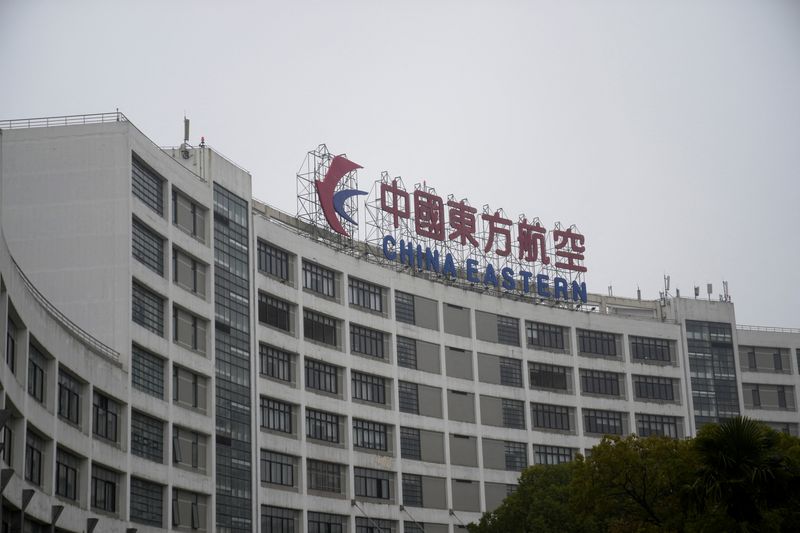
POLICY WIRE — Shanghai, China — It wasn’t a dazzling boardroom coup or a high-stakes corporate espionage saga that brought down China Eastern Airlines’ former chief. Nope. It was the quieter, more mundane drip-drip of alleged payoffs—cash stuffed in envelopes, favors traded for influence—that finally saw Liu Shaoyong, a man once charting flight paths across the globe, formally indicted. For two decades, he commanded an empire of metal birds — and human aspirations. But now, it’s not about premium cabins; it’s about plain old corruption charges. An altogether less glamorous end for a state titan, don’t you think?
This isn’t just another tale of a fallen bigwig, though. Because these are the sort of charges that resonate—a dull thud through the marbled halls of Beijing’s bureaucracy. For years, the Communist Party has waged its ‘tigers and flies’ anti-graft campaign, ostensibly purging venality from its ranks. Yet, when someone like Liu, who stepped down in 2020 but whose alleged misdeeds span years before and after, finds himself in the dock, it makes you wonder just how deep the rot really runs. It’s a reminder that even China’s most outwardly gleaming institutions, symbols of its global ascendance, aren’t immune to the very human failings of avarice. Just think about it: billions in assets, thousands of employees, intricate global partnerships—all potentially touched by a hand stretched out for a little extra, allegedly.
The specific allegations are hazy, as they often are in such cases from Beijing. But we know the game. Bribery. It’s what powerful folks do, or allegedly do, to get what they want without playing by the rules. We’re talking substantial sums here—enough to catch the Party’s stern eye. And when they finally move, it’s usually with overwhelming force, sending a chilling message down the hierarchy. This indictment isn’t just about Liu; it’s a policy statement from Zhongnanhai. Another warning shot across the bow of state-owned enterprise (SOE) chiefs who might’ve grown a bit too comfortable.
But China’s efforts against corruption, while certainly aggressive, don’t always fully quell international skepticism. According to Transparency International’s 2023 Corruption Perception Index, China ranked 42 out of 180 countries—a mid-table performance that suggests a persistent struggle, despite high-profile convictions. But can the Party ever truly excise corruption from a system where patronage and state control intertwine so intimately? That’s the multi-billion-dollar question, isn’t it?
We tried getting an official read on this, naturally. “China’s commitment to combating corruption remains unwavering,” stated Chen Li, a spokesperson for the National Anti-Corruption Commission. “These actions demonstrate our determination to uphold the rule of law and ensure fair competition, protecting national assets from individual malfeasance.” Plausible, certainly, but it’s boilerplate. You hear it often enough, — and yet these cases just keep popping up.
Because, well, it’s not just a domestic headache. This whole corruption business often seeps out, complicates things in faraway places—places where Beijing is making big bets, like Pakistan. For instance, the multi-billion-dollar China-Pakistan Economic Corridor (CPEC) relies heavily on Chinese SOEs for construction, logistics, and resource management. When figures like Liu fall, even if unrelated to CPEC specifically, it casts a long shadow. Concerns about opaque contracting — and debt traps, already simmering, get another dose of fuel. For a country like Pakistan, trying to balance economic growth with sovereignty, ensuring accountability in massive foreign-funded projects becomes a heightened priority. It’s a tricky dance. Islamabad’s going to be watching these purges too; after all, if transparency at home isn’t absolute, what does that mean for partnerships abroad?
“The international community rightly demands greater transparency from state-backed entities, especially those engaged in large-scale infrastructure projects across developing nations,” observed Dr. Aisha Rahman, an expert on East Asian economic policy at the Asian Policy Institute. “Incidents like Mr. Liu’s indictment remind us that diligence isn’t just good governance—it’s an economic imperative for recipient nations, too.” It certainly is. Especially when your financial future is entangled with others’ internal clean-up acts. It’s all connected, like threads in a gigantic, complicated loom.
What This Means
This isn’t simply an internal accounting exercise for the Chinese Communist Party; it’s a recalibration of their long-term economic and geopolitical strategy. The public takedown of a high-profile figure like Liu Shaoyong signals to both domestic actors and international partners that President Xi Jinping’s anti-corruption drive retains its sharp edges. For investors and companies looking to do business with Chinese state-owned enterprises, it suggests a continued—and unpredictable—risk environment. What’s considered acceptable behavior today could be criminal tomorrow, depending on Beijing’s internal power dynamics.
Economically, persistent allegations of bribery against such senior figures can deter foreign investment in certain sectors, forcing partners to reconsider their compliance protocols. Politically, it strengthens the Party’s hand in asserting centralized control over previously powerful, and occasionally autonomous, SOE executives. This move likely reinforces Beijing’s image internally as a powerful, incorruptible (at least, ostensibly so) force. But it could also generate fresh ripples of anxiety across countries engaged deeply with China’s Belt and Road Initiative, such as Pakistan, where transparency and accountability in massive infrastructure deals are perpetually scrutinized. It suggests that even the seemingly rock-solid foundations of Chinese state capitalism can sometimes crack—and loudly.