

Ontario’s Verdant Crown Jewels: A Quiet Battleground for Policy, People, and Planet
POLICY WIRE — Toronto, Canada — For years, we’ve bought the postcard image: pristine Canadian wilderness, rugged and unyielding, existing almost autonomously. But peel back that veneer of...

POLICY WIRE — Toronto, Canada — For years, we’ve bought the postcard image: pristine Canadian wilderness, rugged and unyielding, existing almost autonomously. But peel back that veneer of effortless grandeur, and what you get is a grinding negotiation, a constant tug-of-war between public access, environmental preservation, and increasingly, the bottom line. It’s never just about a few scenic waterfalls, you know? Not when governments are balancing budgets, populations are swelling, and everyone, from seasoned anglers to city dwellers starved for green, wants a piece of the action.
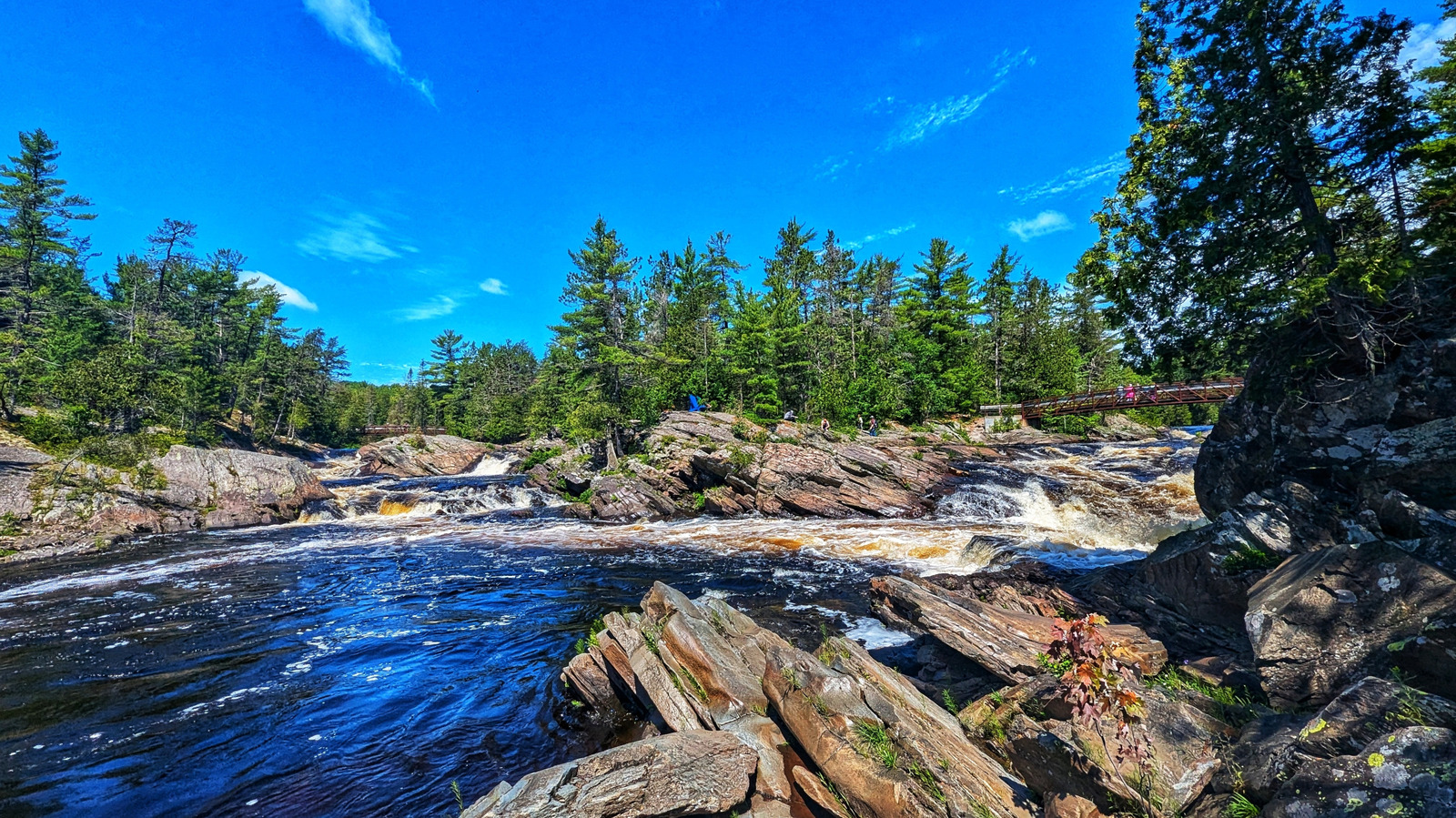
Consider the less-heralded story of one particular provincial park in Ontario—a name you probably wouldn’t recognize from a glossy brochure. It’s got those cascading waters, sure, places to drop a line, — and hiking trails that stretch into serious solitude. It even offers camping, for those hardy souls who don’t mind swapping Wi-Fi for wild critters. But its unassuming facade hides a complex set of contemporary challenges. It’s less a tranquil retreat and more a petri dish for policy experiments, economic realities, and climate change fallout. And don’t forget the occasional inter-provincial skirmish over resource allocation (or perceived over-use by specific groups).
Because, really, when you manage an ecological asset of this scale, every decision, from regulating campsite fees to permitting specific activities, echoes through regional economies and the lives of those who call these areas home. “We’re not just managing trees and rocks here; we’re curating experiences, supporting livelihoods, and protecting irreplaceable biodiversity,” stated Eleanor Vance, Ontario’s Minister of Environment, Conservation and Parks, during a recent, somewhat testy, legislative session. “The pressure is immense. People want more, but we can only give so much without compromising the very thing they seek.”
But how do you quantify ‘so much’? How do you put a price tag on a wilderness experience or, more critically, on species survival? This provincial park, alongside others like it, generates an estimated CAD $15 million annually in direct and indirect tourism revenue for its surrounding communities, according to a 2023 Parks Ontario economic impact report. That’s real money, shaping local employment — and small businesses. So, when the provincial treasury squints at the maintenance budget for, say, a particularly troublesome canoe route, you can bet local businesses are paying attention. They’re worried. We’ve seen similar dilemmas play out in parts of South Asia, where the pristine beauty of the Himalayas, for instance, grapples with uncontrolled tourist influx and development, leading to erosion and cultural disruption. The problems, it seems, aren’t so different; just the scale of the mountains, perhaps.
“Look, our mandate is clear: conserve — and connect,” offered Dr. Bashir Hassan, a conservation economist who often advises various global agencies, including those within the Muslim world focused on sustainable resource development. (He actually spent a few months in Gilgit-Baltistan back in the day, studying mountain community resilience.) “But sometimes, those two objectives clash like tectonic plates. The idea that a park simply ‘exists’ is romantic nonsense. It requires constant, expensive intervention, careful balancing acts—and it forces governments to choose. Who gets access? Whose interests get prioritized? Those aren’t easy questions, ever.”
And then there’s the international gaze. Canada, for all its rugged northern charm, often holds itself up as an environmental leader. Our parks become part of our soft power projection. Yet, if you can’t manage a relatively small piece of protected land responsibly, what does that say about broader ambitions? Or about our commitments to global climate pacts? It doesn’t look great, does it? Particularly when other nations, like those in Southeast Asia, are already facing severe ecological crises driven by similar dynamics of economic pressure versus environmental stewardship. They don’t have the luxury of endless land. We do, and we still stumble.
It’s not just about what happens inside the park gates, either. These spaces are often downstream—literally—from industrial activities, or upstream from agricultural runoff. Climate patterns are shifting, hitting everything from fish populations (making that fishing less reliable) to forest fire risks (making camping a bit more…exciting, if you like the idea of impromptu evacuation). Because the park exists within a wider ecological system. That’s a given.
What This Means
This particular Ontario provincial park, far from being a simple recreational spot, acts as a micro-laboratory for major policy dilemmas facing governments globally. The fight isn’t over whether to protect nature, but how to do it effectively in an era of constrained resources, escalating human demand, and accelerating climate impacts. Economically, these parks are regional anchors; any perceived neglect by the province risks not just ecological damage but local financial instability. Politically, the narrative around Canadian environmental stewardship gets a direct hit when tangible local failures occur. There’s also a burgeoning geopolitical angle, as developed nations face increasing scrutiny from countries in the global south on their environmental policies, especially when those nations struggle with similar pressures. Our parks, it turns out, aren’t just pretty; they’re battlefields.