


New Mexico’s Fleeting Reprieve: Sunshine Offers Cold Comfort as Aridity’s Shadow Lingers
POLICY WIRE — Albuquerque, N.M. — Forget the idyllic postcards for a moment. This week, a fleeting warmth is indeed gracing New Mexico, draping the landscape in a much-touted sun and an undeniable...

POLICY WIRE — Albuquerque, N.M. — Forget the idyllic postcards for a moment. This week, a fleeting warmth is indeed gracing New Mexico, draping the landscape in a much-touted sun and an undeniable dry heat. After a minor cold snap that barely registered beyond a few shivering early risers, meteorologists are breathlessly declaring a return to ‘normal’—which, in this parched corner of the American Southwest, is often just a euphemism for the slow burn of aridity.
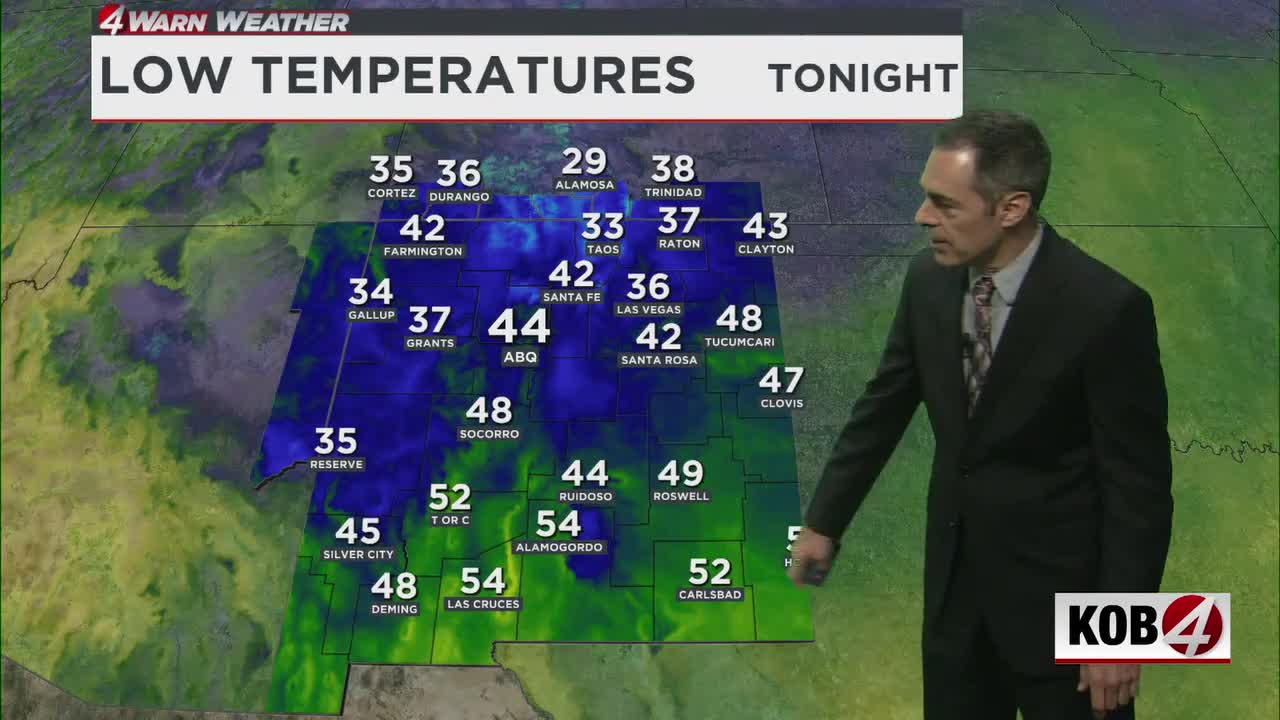
It’s a peculiar kind of forecast, really. We’re told temperatures are climbing into the pleasant 80s in Albuquerque, nudging close to 90 degrees by Saturday. The metro area, it seems, can shed its light jackets. Northern New Mexico, too, gets a brief reprieve from the chill. Clear skies are on the docket, and that much-desired sunshine isn’t just back; it’s practically strutting across the sky. But that’s where the feel-good story starts to fray, isn’t it?
Because beneath the blue, a different narrative unfolds. An upper-level ridge, a technical term for warm air pushing in, is settling over the western U.S. It promises bone-dry conditions, yes, — and rising temperatures. This isn’t just about weekend plans; it’s about water. Always water in New Mexico. It’s about what this kind of ‘return to normal’ truly signals for a state locked in a multi-decade battle with climate change’s more brutal consequences. Barely a speck of rain is anticipated over the weekend, just a “small chance” of afternoon showers for a corner of the northeast. A weak disturbance. Hardly enough to wet the dust on your windshield, let alone dent the severe drought plaguing significant portions of the state.
And let’s not pretend we haven’t been here before. We have. New Mexico’s forests become tinderboxes with terrifying regularity, a grim seasonal ritual. According to the U.S. Drought Monitor, as of late May, nearly 50% of New Mexico was still experiencing severe or extreme drought conditions. Half the state, folks. That isn’t just a number; it’s a silent countdown.
“We can appreciate a warm, sunny weekend, don’t get me wrong,” Governor Michelle Lujan Grisham (D) told Policy Wire in a recent, unannounced statement from Santa Fe, “but our focus remains on long-term water resilience. This weather only underscores the persistent pressures on our reservoirs — and groundwater. We’re in a marathon, not a sprint, — and every dry spell reminds us of the urgency to innovate.” She’s not wrong. Because those rising temperatures aren’t just a comfort; they accelerate evaporation, drying out an already thirsty landscape.
But the picture isn’t entirely bleak—or so some would have you believe. State Senator George Muñoz (R), from Gallup, offered a more practical, albeit cautiously optimistic, view. “Farmers are certainly feeling the pinch, — and our rangelands are stressed. But any day we’re not battling another severe cold front, or god forbid, unexpected snow in late spring, is a win for our immediate economy. We’ve learned to manage. We just hope these short windows of manageable weather hold long enough for some crops to take.” Muñoz knows a thing or two about managing scarcity; his district grapples with it daily.
Even as a cold front promises to nip at the heels of this pleasantness late Saturday and Sunday—mainly eastern New Mexico—it won’t fundamentally shift the equation. Temperatures will just climb again next week. And some areas could very well hit record highs by Tuesday. So, the question remains: is this a blessed break, or just the state inhaling before another breathless dive into the crucible of its increasingly unpredictable climate?
What This Means
This fleeting return to dry heat in New Mexico, while seemingly benign, signals deeper political and economic undercurrents. For one, the delicate dance with water resources is intensifying. Policymakers are constantly weighing the demands of agriculture against urban development — and ecosystem preservation. Any sustained period of warmth without significant precipitation translates directly into diminished reservoir levels and higher energy costs—more power needed for air conditioning, less hydroelectric potential. It could impact everything from federal disaster relief allocations to bond ratings for municipalities reliant on dwindling water supplies.
Economically, sectors like tourism, which thrive on New Mexico’s natural beauty and outdoor activities, face an existential threat if prolonged aridity leads to perpetual fire seasons and restrictions. Farmers, particularly those on the state’s historically lucrative but incredibly water-intensive pecan and chile fields, watch these forecasts with dread. The ripple effects of water scarcity on local economies can’t be overstated. And, surprisingly, these microclimates echo global challenges. From the arid plains of Pakistan facing their own water crises to the developing nations grappling with climate migration, the struggle for basic resources affects societal stability and economic priorities in ways few could have predicted even a decade ago. New Mexico, then, isn’t just facing a warm spell; it’s a microcosm of a planetary problem, quietly showcasing the immediate stakes.