


Emery’s Europe: Villa and Freiburg Punch Tickets to Istanbul Showdown, Old Glories and New Dreams Collide
POLICY WIRE — LONDON, UK — For a club like Aston Villa, draped in European grandeur from decades past, the journey back to football’s elite rarely follows a smooth curve. It’s...

POLICY WIRE — LONDON, UK — For a club like Aston Villa, draped in European grandeur from decades past, the journey back to football’s elite rarely follows a smooth curve. It’s often a jagged, heart-stopping ride, filled with near misses — and dramatic turnarounds. And this week, what a ride it was.
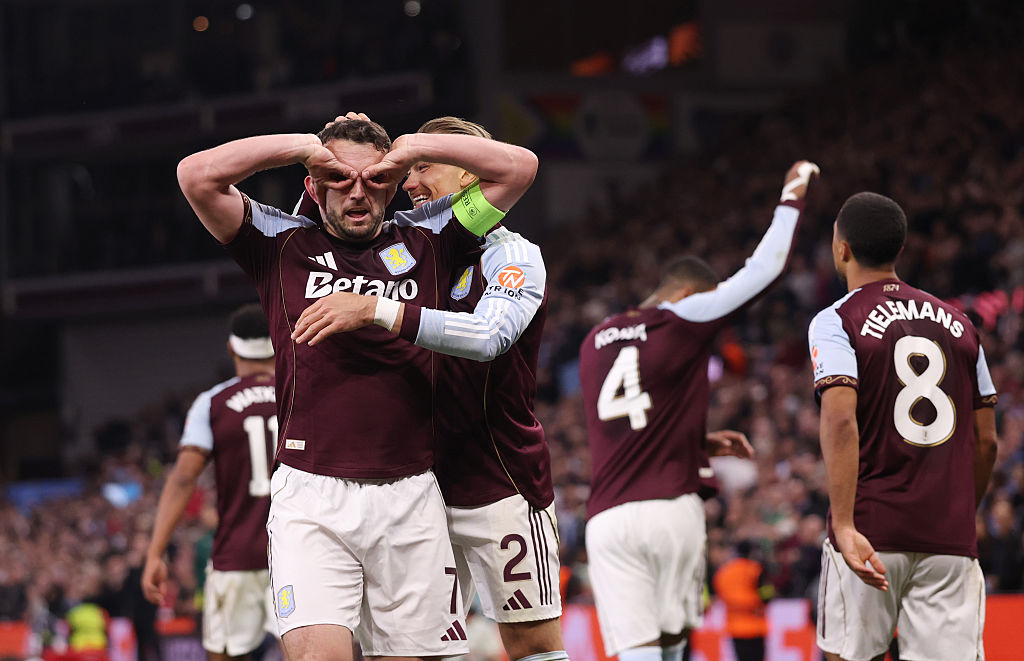
After a shaky first leg against Nottingham Forest — losing, no less — few outside their inner circle might’ve truly believed in the scale of the comeback. But that’s where Unai Emery, Europe’s own quiet alchemist of silverware, tends to perform his magic. He just knows this competition. It’s in his blood, frankly. The Spaniards came, they saw, and then they flattened Forest with a clinical 4-0 thrashing at Villa Park, cementing their spot in the UEFA Europa League final.
The euphoria radiating from Birmingham might seem contained to a few square miles of West Midlands pride, but these European nights reverberate. They remind us that even the most well-trodden paths to glory still have unexpected detours, and that history, however distant, still means something. This isn’t just another game; it’s a statement. And Villa, champions of Europe way back in 1982, are very much back in the conversation.
“We’ve put in the hard miles, haven’t we? This club, it’s got history; it demands to be back on these big stages,” Emery remarked, a glint in his eye after the match, hinting at the monumental effort behind the scenes. “But it’s not just about getting there; it’s about making our mark when we arrive.” The man who’s hoisted this particular trophy four times before seems ready to add a fifth to his collection. His semi-final record, after this latest win, stands at a mind-boggling one loss from six attempts. He’s truly built different.
Across the continent, in the sun-drenched vineyards of Baden-Württemberg, Germany, another improbable tale unfolded. Freiburg, a team with plenty of grit but hardly any continental silverware — unless you count their 2. Bundesliga titles, which, with all due respect, is quite a step down from European nights — overturned their 2-1 first-leg deficit against Braga. They didn’t just win; they did it with a raucous 3-1 performance at their Europa-Park Stadion, triggering a pitch invasion worthy of a fairy tale.
Mario Dorgeles, who was Braga’s hero in the first leg, turned into their nightmare within six minutes on German soil, scoring an own goal. Lukas Kübler, almost by accident, added another. Then Manzambi sealed the deal before halftime, with Kübler chipping in again later. It was a demolition. Brave Braga tried, even snatched a late goal, but their chance at redemption after losing the 2011 final was simply not meant to be. This means a club that once languished in Germany’s second tier now finds itself just one win away from their greatest honor.
Christian Streich, Freiburg’s veteran coach, could barely contain his pride. “You work your entire career for moments like this. It’s an affirmation of what a club, united, can achieve — even without the bottomless pockets some others boast,” he reportedly told local press, clearly emotional. “Our city is buzzing; it’s quite something.” He’s not wrong. The club’s progression is a story that defies the logic of modern football’s mega-money machine. It proves there’s still room for honest, hard-won success. But can they actually *win* it? That’s the real question.
What This Means
The Europa League final, set for Besiktas Stadium on the 20th, isn’t merely a football fixture; it’s an economic pulse point and a soft power projection. For Aston Villa, it represents a renaissance. It’s a return to the upper echelons that will undoubtedly boost their commercial appeal — think sponsorship deals, global merchandising, and attracting top-tier talent. More importantly, it solidifies Emery’s reign as more than just a coach; he’s an empire builder. This isn’t about mere financial reward, though the winner does receive an estimated €8.6 million in prize money from UEFA — no small change — it’s about branding, identity, and cementing a legacy. For Villa, this success means a renewed lease on European relevance, drawing more eyes and, yes, more money. Because that’s how these things work, don’t they?
Freiburg’s presence, conversely, speaks to the broader strength and tactical diversity of the Bundesliga, even beyond its perennial giants like Bayern Munich. It’s a tale of astute management and community focus paying off against the odds, a model often celebrated in German sports culture. This exposure offers the relatively modest club a strategic advantage on multiple fronts: talent acquisition, increased media revenue, and an injection of pride into a city that likely hadn’t dared to dream this big. The final is a massive promotional billboard for the entire region.
And don’t forget the backdrop: Istanbul. This sprawling metropolis, a crucible where East meets West, isn’t just hosting a football match; it’s positioning itself as a global nexus for culture and sport. Besiktas Stadium, perched on the Bosphorus, will be more than just a venue; it’s a symbolic bridge for fans from every corner, including the millions of football enthusiasts stretching across the Muslim world and into South Asia. Many of them, much like the ardent followers of leagues highlighted in our analysis of South Asia’s mega-sports events, avidly follow European club football’s grand narratives. The city’s hosting capacity — logistical prowess, security, tourism infrastructure — will be on full display, showcasing Turkey’s ability to orchestrate global spectacles. The 2023 Europa League final, for instance, attracted a global average live audience of 56 million viewers, according to UEFA reports. That’s a whole lot of eyeballs on Istanbul and, by extension, on Turkey. It’s a substantial, if intangible, geopolitical win.