


Fan Fury, Boardroom Capitulation: Liverpool’s About-Face on Ticket Hikes Signals New Power Dynamics
POLICY WIRE — Liverpool, England — Not so long ago, the modern football club seemed an unassailable corporate fortress. It was a well-oiled machine, monetizing loyalty with cold, economic precision,...

POLICY WIRE — Liverpool, England — Not so long ago, the modern football club seemed an unassailable corporate fortress. It was a well-oiled machine, monetizing loyalty with cold, economic precision, — and fans? Well, they were customers, mostly. But then, an organized roar from the terraces — a deeply traditional expression of dissent — managed to rattle the gilded cage. Liverpool Football Club, a sporting empire valued in the billions, just executed a hasty retreat on a policy it insisted was entirely necessary. An unexpected outcome, sure.
It wasn’t supposed to happen this way. Just weeks ago, Anfield’s custodians had outlined a seemingly bulletproof strategy: a three-year climb in ticket prices, starting with a three percent hike next season, then pegging subsequent increases to the dreaded inflation rate. It was a move couched in fiscal prudence, designed, so they said, to ensure the club’s continued competitiveness. But the supporters, these perpetually passionate folk, saw it for what it was: another bite at the cherry, squeezing their pockets harder at a time when money just isn’t stretching as far as it used to. Because let’s be honest, for many, attending matches isn’t a luxury; it’s practically religion.
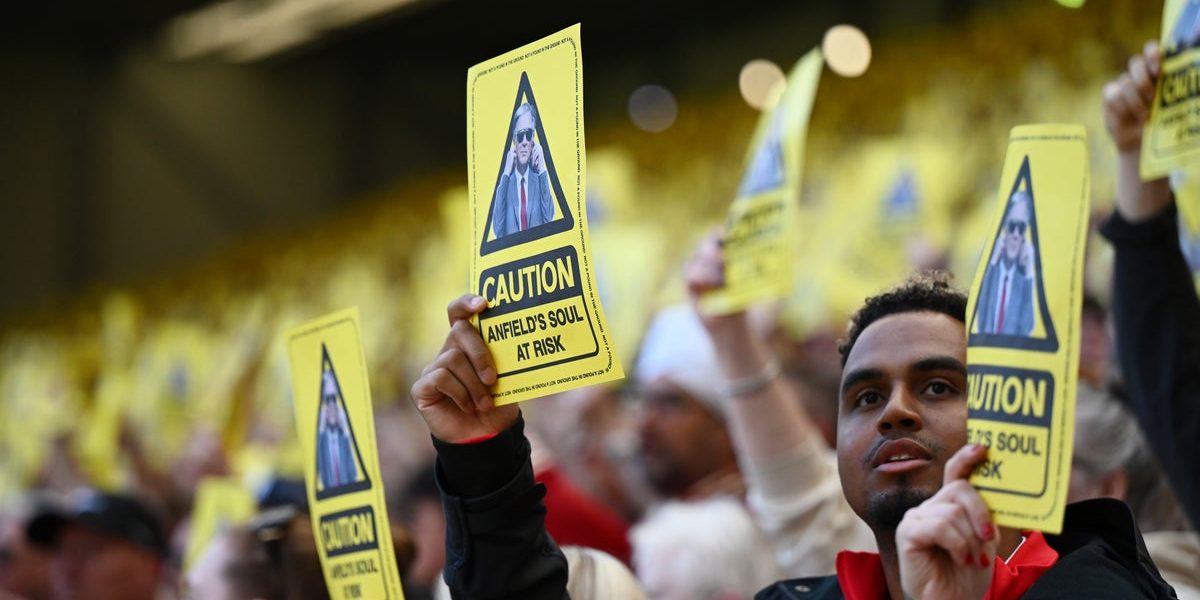
The murmurs of discontent quickly escalated into outright fury. Supporters, coordinated through the Liverpool Supporters Board, didn’t just write letters. They turned their frustration into visible protest. During crucial Premier League home clashes against Fulham and Crystal Palace, swathes of fans made their feelings known. Banners appeared. Voices were raised. It was a clear, unambiguous message: don’t mess with our matchday experience, not with our wallets, not like this. And frankly, it worked.
The club, despite confirming the initial three percent bump for the coming season – that much appears locked in, unfortunately – has now performed an impressive U-turn. The following year, they’ve promised a price freeze. A freeze. It’s a concession they hadn’t anticipated making, proof that collective pressure can indeed bend even the most rigid corporate will. The official statement from the club, typically worded, spoke of exploring “longer-term alternative solutions across the game and explore commercial ideas with the Supporters Board.” It sounds terribly polite now, doesn’t it, after all the noise?
“We hear them loud and clear,” quipped Julian Hamilton, a long-serving board member at Liverpool FC, in a statement designed to mend fences. “Affordability — and accessibility remain paramount. It’s a tricky balancing act – maintaining elite standards while honoring our fan base’s deep connection to this club. We genuinely believe dialogue is the best path forward, even if it requires recalibrating our initial plans.”
📄 POLICY WIRE WHITEPAPER PUBLISHED: PAKISTAN'S NATIONAL SECURITY POLICY PRIORITIES
👉 READ BY CLICKING HEREAnd Sarah Jenkins, representing the Supporters Board, echoed that sentiment with a touch more triumph. “We always maintained that the proposed multi-year deal was simply untenable for the average fan. This isn’t just about local support; Liverpool’s global brand relies on an image of accessibility, one that resonates across continents, from California to Karachi. Our fans, wherever they’re, demand respect. This U-turn? It’s a victory, make no mistake. But it’s also a commitment to *real* engagement, not just lip service.” Jenkins’ mention of Karachi isn’t accidental; the Premier League’s colossal global audience, a significant portion of which resides in South Asia and the wider Muslim world, contributes immensely to the league’s economic viability through broadcasting deals. In fact, Premier League clubs’ combined revenues hit a staggering £6.4 billion in the 2022/23 season, yet affordability remains a persistent, almost irritating, sticking point for the average supporter, according to Deloitte’s Annual Review of Football Finance. The owners are taking the cream, many feel, while expecting the loyal to cough up more.
What This Means
This episode is more than just a momentary skirmish over ticket costs; it’s a bellwether for the ongoing, often uncomfortable, battle for the soul of modern football. On one hand, you’ve got owners – frequently mega-rich investment groups or oligarchs – who view clubs as assets, entities ripe for optimization and maximizing return. And on the other, there are the supporters, the custodians of history, for whom a club is an identity, a community, almost a family member. The pushback at Anfield highlights a potent shift: fans, once largely relegated to mere consumers, are beginning to leverage their collective power more effectively. This isn’t a political revolution, no, but it’s a very public declaration that passive acceptance of commercial directives is no longer guaranteed.
Economically, this creates a fascinating, if unstable, dynamic. Clubs crave predictable revenue streams; inflation-linked increases are the financial equivalent of a cozy blanket. But this U-turn demonstrates that the ‘social license’ to operate — that unwritten agreement with the community – is just as important as the P&L statement. The political implication is clear: ignore your base at your peril. For other Premier League giants and indeed, sporting franchises worldwide, Liverpool’s humbling might serve as a cautionary tale. It also brings into sharper focus the need for more transparent, fan-inclusive governance structures, forcing boardrooms to genuinely engage with those who make the beautiful game what it’s – loud, passionate, and yes, sometimes very, very stubborn.
The club maintains that “future inflationary increases may still be required, including season 2028-29.” So this isn’t an end; it’s a pause. But it’s a meaningful one, reminding everyone that sometimes, even in the highly commercialized realm of elite sports, the power truly belongs to the people.