


Diamond Dust and Diplomatic Grudges: High School Playoff Tests Community Fabric in Savannah
POLICY WIRE — Savannah, Georgia — Sometimes, it’s not just about the final score. You watch young men battling under the stadium lights, and what you’re really witnessing is a microcosm of...

POLICY WIRE — Savannah, Georgia — Sometimes, it’s not just about the final score. You watch young men battling under the stadium lights, and what you’re really witnessing is a microcosm of competitive spirit—a civic pulse, a testament to raw, undiluted will, whether on a sandy pitch in Lahore or a manicured diamond in coastal Georgia. And it’s this relentless spirit, not merely the outcome of a game, that defines the Benedictine Cadets’ recent playoff saga against Cambridge.
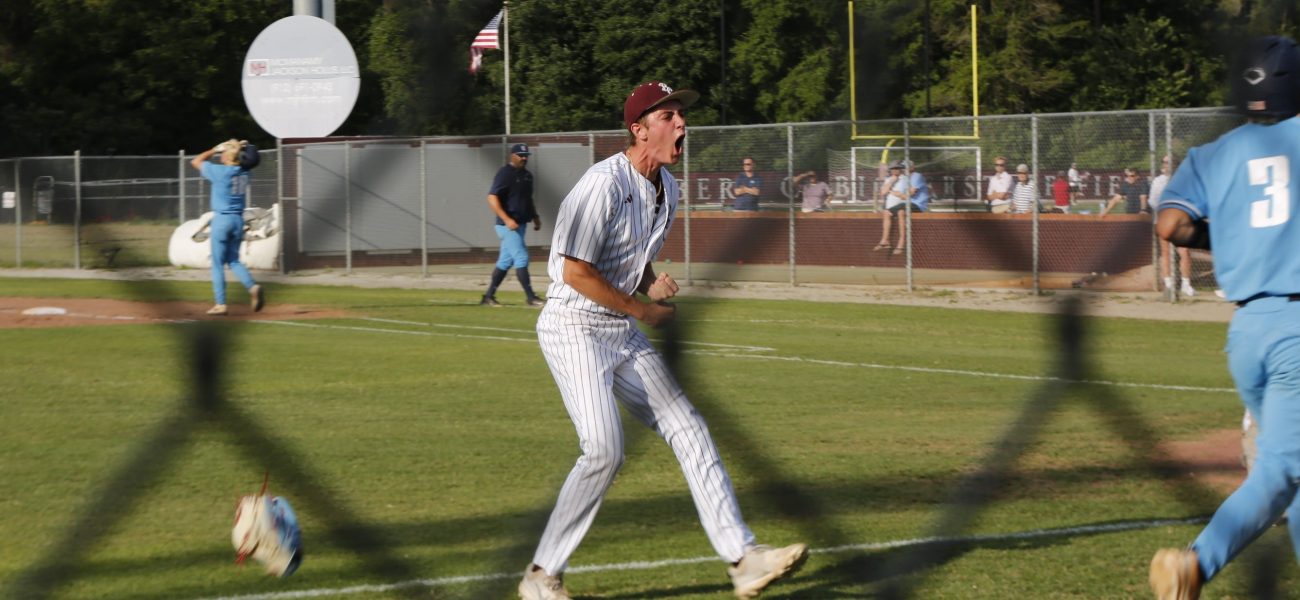
It wasn’t a pristine sweep, nobody expected that. Instead, Tuesday offered up a gritty split, a perfectly messy tableau for playoff baseball that saw Benedictine explode with bats blazing in Game 1, only to stumble dramatically in Game 2. One moment they were flying high, senior righty Colvin Proto dealing a masterful complete game, backed by five dingers—count ’em, five homers, from guys like Mason Diamond, who clubbed two, and Omari Burse. The next? Well, Mason O’Neil pitched his guts out, fanning eight over six, but it just wasn’t enough.
Because that’s how these things go, isn’t it? Cambridge clawed its way back, a two-run deficit evaporating in a puff of infield dust when Carson Clark rocketed a two-run homer. Then, a wild pitch, a walk-off victory for the visitors, and suddenly, Benedictine—who’d made their deepest playoff run since ’22, reaching the Class 4A state quarterfinals—were right back on the brink. All tied up. Every bit of the swagger from Game 1, briefly deflated. And the whole town, from Forsyth Park to Tybee Island, felt it.
“I thought it was good baseball,” Coach Jason Pascual told Policy Wire, his voice holding that particular mix of pride and mild exasperation only a playoff coach understands. “This is playoff baseball. We’re one of the last eight teams standing — and so are they. Those were well played, well pitched games.” He’s not wrong. But losing Game 2 on a walk-off? That stings. Still, Pascual maintained his composure, recognizing the bigger picture. “Back in January, if you had told us that on May 7th Benedictine is going to be playing a Game 3 to go to the Final Four and host it, we would all take it. We’re in a situation where we just need to pick each other up a little bit here and get back to work tomorrow.” His words echo the kind of strategic reassessment often heard in corporate boardrooms or even diplomatic circles when a plan goes sideways. Pick yourself up, recalibrate, go again. It’s not unlike the challenges facing communities hoping a sports success can paper over deeper issues.
📄 POLICY WIRE WHITEPAPER PUBLISHED: PAKISTAN'S NATIONAL SECURITY POLICY PRIORITIES
👉 READ BY CLICKING HERE“These games, they’re more than just youth athletics; they forge character, teach resilience, and undeniably boost local morale,” stated Mayor Van Johnson II, during an informal chat near city hall, underscoring the broader civic investment in teams like Benedictine. “It’s about seeing our kids strive, — and watching the community rally around them. That kind of shared experience? It’s invaluable, and frankly, a much-needed civic glue in a divided world.” Johnson’s sentiment isn’t mere political grandstanding; analysts at the Savannah Economic Development Council (SEDC) estimated in their 2023 report that deep playoff runs by local high school teams like Benedictine can generate an additional $65,000 for local businesses in concessions, lodging, and hospitality, a significant figure for smaller, neighborhood-based economies.
It’s this raw emotional investment—the kind where a parent, perhaps one who emigrated from Karachi, now sees his child’s determination mirrored in the intense cricket rivalries of his homeland—that fuels these high school matchups. The stakes might seem contained to a few dozen teenagers, but the psychological — and communal impact ripples far wider. That kind of gritty ambition, a brutal ballet on the diamond, speaks to universal themes of overcoming adversity.
What This Means
This Benedictine-Cambridge series isn’t just about baseball; it’s a case study in localized economic drivers and social cohesion. For Savannah, these high-profile, intense playoff games aren’t simply entertainment. They mobilize civic pride, drawing families to stadiums and local establishments, creating temporary economic upticks often overlooked by larger state-level analyses. The collective nervous energy, the triumphs, the defeats—they all contribute to a shared experience that solidifies community identity, particularly in an era where social ties can feel increasingly tenuous. Politically, leaders often recognize the symbolic power of successful local teams; it’s a tangible, unifying force, a relatively low-cost investment that yields considerable goodwill and a sense of shared achievement. When a team falters, it’s not just a loss on the scoreboard, but a moment that tests the very resilience and shared emotional bandwidth of the community it represents.