

Sidewalk Crackdown: Albuquerque Opts for Enforcement Over Empathy in Homelessness Fight
POLICY WIRE — Albuquerque, N.M. — Forget the gentle waft of green chile. Forget the artistic murals adorning downtown. Albuquerque just voted for something far less palatable: a city ordinance that...

POLICY WIRE — Albuquerque, N.M. — Forget the gentle waft of green chile. Forget the artistic murals adorning downtown. Albuquerque just voted for something far less palatable: a city ordinance that says you can’t just be on a sidewalk if you don’t have a specific destination in mind—and especially if you look like you might stay awhile. The city council, in a move that’s got advocates fuming and business owners breathing a cautious sigh of relief, passed an ‘Enhanced Service and Safety Zone Ordinance’ that’s being framed as urban revitalization. Critics? They’re calling it a cruel charade targeting the city’s most vulnerable. But it’s not always about grand solutions, is it? Sometimes it’s about what folks don’t want to see when they’re grabbing a latte.
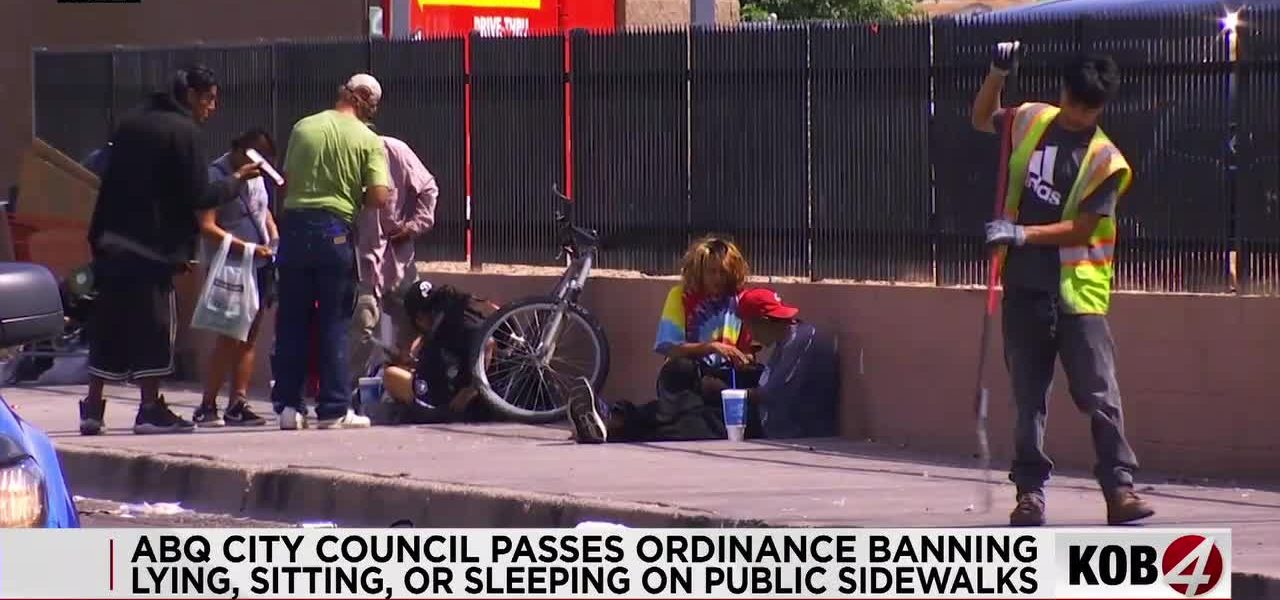
The measure, approved after weeks of spirited — sometimes vitriolic — debate, criminalizes activities like sleeping, sitting, or even lying down on public sidewalks in designated zones. Supporters trumpet it as a much-needed push to spruce up public spaces, luring back foot traffic and commercial vitality to an area that, let’s be honest, could use a facelift. And maybe a power wash. Mayor Tim Keller now gets to wave his magic wand, carving out specific areas where police and sanitation crews will patrol with increased regularity, equipped with the new mandate to fine or even jail those deemed in violation.
“This isn’t about shunning anyone, it’s about reclaiming our city’s public face,” stated Councilman Robert Sanchez, a vocal proponent for downtown revitalization efforts, his tone reflecting a familiar exasperation. “You wouldn’t invite guests to a messy house, would you? We’re just trying to get our house in order so everyone feels welcome.” It’s a sentiment many business owners echo, perhaps more quietly, from behind their polished storefronts.
But his counterpart, Councilwoman Maria Lopez, who represents one of Albuquerque’s economically strapped districts, minced no words in her rebuke. “What we’re seeing here isn’t problem-solving, it’s problem-shifting,” she retorted, her voice edged with frustration. “We’ll pat ourselves on the back for clearing visible homelessness, but bypass every proven solution to tackle the root causes. It’s an illusion of progress, — and a cruel one at that.”
And that’s the rub, isn’t it? Because despite the official line about ‘safety — and services,’ the unvarnished truth is often far more complicated. Advocates insist the ordinance doesn’t address poverty; it simply pushes it out of sight. A tactic—or a regrettable necessity, depending on your vantage—seen in urban centers globally, from the bustling megacities of Pakistan to the quaint squares of European capitals. You’ve got to wonder if those in Islamabad or Lahore, battling similar surges in their own growing homeless populations amidst ambitious infrastructure projects, are watching this with a wry shake of the head. It’s the universal tension between aesthetics — and human struggle.
📄 POLICY WIRE WHITEPAPER PUBLISHED: PAKISTAN'S NATIONAL SECURITY POLICY PRIORITIES
👉 READ BY CLICKING HEREHere’s a number to chew on: New Mexico’s homeless population climbed by a sobering 14.8% between 2022 and 2023, according to the U.S. Department of Housing — and Urban Development’s (HUD) annual assessment. Those aren’t just statistics, they’re people. They’re souls, some of whom just lost a job, others a home, — and many a battle with addiction or mental illness. These ordinances don’t just disappear them; they disperse them. Maybe to a different park, maybe to an alleyway, or maybe to jail cells that—spoiler alert—don’t actually cure homelessness.
And yes, the proponents argue about ‘enhanced services.’ But what exactly does that mean for someone without a place to sleep tonight? A quick pat down? A stern warning? These aren’t just logistical hurdles; they’re moral ones. It’s a particularly uncomfortable shade of urban cat-and-mouse, playing out under the high desert sun, day after relentless day.
What This Means
Politically, this move in Albuquerque is a familiar balancing act—or, more accurately, an evasive maneuver. Local governments are constantly juggling the demands of commercial interests and property owners who want clean, safe, and visually appealing public spaces against the outcry from human rights advocates and service providers. This ordinance effectively punts the deeper issue of homelessness down the road, opting for a ‘clean street’ aesthetic over genuine, resource-intensive solutions like affordable housing, mental health support, or job training programs. Economically, the hope is a boost for downtown businesses, predicated on the idea that visible poverty deters investment and tourism. The real economic impact, however, often proves negligible in the long run if underlying social issues remain unaddressed; people simply move elsewhere, and the ‘clean’ areas often see transient results.
For individuals experiencing homelessness, the implications are harsh — and immediate. They’ll face increased scrutiny, fines they can’t pay, and potentially arrests that create criminal records, further impeding their ability to secure housing or employment. It creates a revolving door scenario that offers neither dignity nor durable solutions. While the city signals a tougher stance on public order, it simultaneously reveals a systemic unwillingness—or perhaps inability—to grapple with the nuanced complexities of modern urban poverty. It’s a short-term fix, maybe even a cruel one, for a very long-term problem.