


Pecos Under Siege: Anglers, AG, and an ‘Emergency’ Clash Over River’s Soul
POLICY WIRE — Santa Fe, N.M. — It’s a pretty little stretch of the Pecos, mind you, but lately, this serene New Mexico waterway has felt more like a contested border zone than a peaceful stream....

POLICY WIRE — Santa Fe, N.M. — It’s a pretty little stretch of the Pecos, mind you, but lately, this serene New Mexico waterway has felt more like a contested border zone than a peaceful stream. Think barricades. Think alleged death threats. And yeah, think about those chunky excavators carving up the riverbed, ostensibly for road work. Except, well, state authorities are saying something else entirely.
Attorney General Raúl Torrez, a man not known for pulling punches, just tossed an emergency motion into court. He wants a judge to throw the book at Erik Briones, a Pecos River landowner, demanding he be held in contempt. Because it’s not just a run-of-the-mill neighborly spat anymore; it’s escalated into what could only be called, with a straight face, a low-intensity aquatic war. And it’s all about who owns the river, or at least, who can dip a fishing line in it.
This isn’t some fresh fracas, don’t get it twisted. This whole rigmarole traces its roots back to that landmark 2022 Supreme Court ruling, Adobe Whitewater Club of New Mexico v. New Mexico State Game Commission, which, plain — and simple, declared the state’s streambeds public property. But getting folks to actually abide by it? That’s where the mud – — and the heavy machinery – started flying.
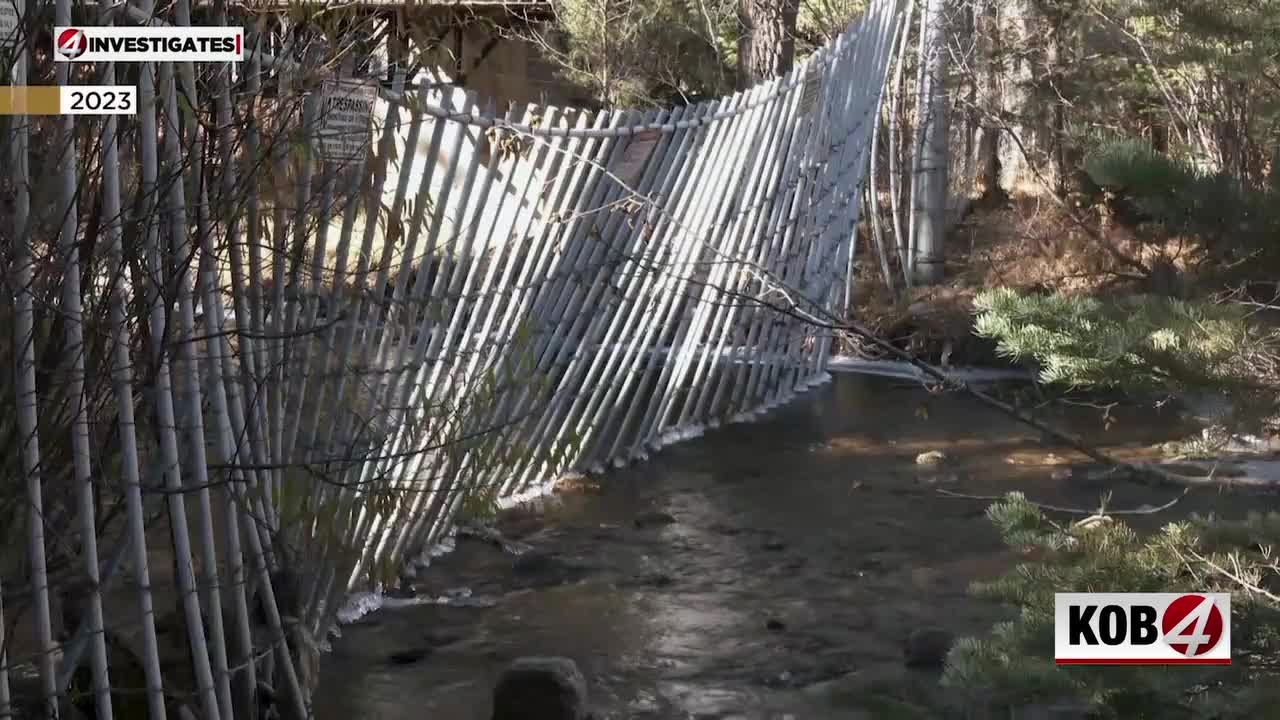
Torrez’s latest filing points a finger straight at Briones, claiming he’s flouted a 2024 consent decree faster than you can say ‘constitutional right.’ The agreement, cooked up to keep the peace, had Briones promising he’d stop doing things like erecting barriers, putting up fake ‘No Trespassing’ signs, and, y’know, threatening people with violence. But that peace? It didn’t last. The state’s arguing he’s back to his old tricks.
Picture this, if you can stomach it: allegations of Briones menacing fishermen with a shotgun. Excavators allegedly tearing into the river to sculpt deep trenches – hazards designed, the state says, to push anglers into rougher waters. Barbed wire, too. Right there in the river. This isn’t a misunderstanding; it’s sabotage, say state lawyers.
And Torrez? He’s fed up. He’s not just talking fines; he’s talking jail time. He’s talking potentially thousands of dollars in daily penalties until Briones plays nice. Because for Torrez, this isn’t merely about a few irate fishermen; it’s about the sanctity of state law and public access to vital resources. “We simply won’t stand by while individuals attempt to privatize what’s legally and historically public,” Torrez stated in a press briefing, his voice carrying the weary authority of a man constantly fighting battles. “This isn’t just about fishing; it’s about safeguarding a principle for all New Mexicans.”
But hold on. Briones tells a different story. He’s denying any booby traps, insisting that excavator work was purely for road upkeep — and tree removal. He maintains that increased public access hasn’t been some boon to nature, but a wrecking ball. Damages? He sees plummeting property values, fish populations decimated, and ceaseless squabbles between landowners and recreation enthusiasts. “They talk about public access, but what about my property rights? What about the damage to the river, the loss of value?” Briones lamented in a recent phone interview. “It’s easy for bureaucrats to talk, harder to live with the consequences.”
The state, however, isn’t buying it. Not after the Tenth Circuit Court of Appeals recently slammed the door shut on Briones and other landowners, who’d tried to argue the Adobe Whitewater decision was an unconstitutional snatch-and-grab of their property. The federal appeals court basically said, ‘Nope, sorry, public water access predates statehood. This ain’t new; it’s just clarified old law.’
So, where does this leave us? The state’s pushing for an emergency hearing. Fines up to $1,000 a day. Increasing penalties. Maybe even an arrest. What began as a scholarly debate over legal precedent has morphed into a messy, high-stakes slugfest. And frankly, the air on the Pecos smells less like clean mountain water — and more like sulfur, if you catch my drift. It’s got a particular stench of legal filings — and heated tempers.
What This Means
This Pecos River saga, with its undertones of property rights versus public good, isn’t just some quaint New Mexico curio. It’s a stark reminder of how battles over natural resources often play out on the ground, far from the polished marble of courthouses. Politically, Torrez is betting big. If he can enforce these public access mandates, it sets a powerful precedent not just for waterways but potentially for other contested public lands. Failure, however, might embolden landowners and create more headaches for state enforcement agencies already stretched thin. Economically, unrestricted public access to such waterways—according to the New Mexico Department of Game and Fish, outdoor recreation, largely dependent on accessible public lands and waterways, contributes an estimated $2.1 billion annually to the state’s economy—can fuel local tourism and bolster small businesses. But critics argue unchecked access strains infrastructure — and damages private holdings.
This dynamic isn’t unique to the American Southwest. Across the globe, especially in regions like Pakistan and South Asia, where water is an existential resource, disputes over riparian rights are legion. Consider the Indus River System, where private claims, often backed by powerful landholders, regularly clash with the traditional access rights of communities reliant on its waters for survival and agriculture. It’s the same dance, just with different accents. Who ultimately controls the means to life – whether it’s a trout stream in New Mexico or an irrigation canal near Lahore – often defines a society’s equity. And here, in the land of enchantment, that question is being hammered out, one alleged barrier, one fishing incident, and one emergency motion at a time.
This fight isn’t over. Not by a long shot. But this week’s actions? They’ve made it painfully clear what’s on the line for all sides. And they’re ready to get their feet wet.